Afghanistan
Protracted and Ongoing Conflict
Afghanistan has endured many decades of violence, including Soviet occupation, civil war, international military intervention, and Taliban control. This protracted conflict and political instability has roots in foreign interventions and ideological struggle and is influenced by ethnic and religious tensions. The Soviet-Afghan War in the 1980s, followed by civil unrest and the rise of the Taliban in the 1990s, led to extensive and often extreme violence, including against civilians. More recently, the U.S. led invasion in 2001, which sought to dismantle al-Qaeda and remove the Taliban from power, resulted in a long-term military occupation, more political instability, and more violence. Within the broader struggle for peace, the struggle for gender equality and women’s rights remains critical, but in this highly patriarchal and unstable context it remains an immense challenge.
Fraught Progress Toward Peace
Peace in Afghanistan has been intermittently negotiated though international diplomacy and various agreements, including the Doha Agreement of 2020, a power-sharing arrangement signed by the U.S. government and the Taliban, which included provision for the full withdrawal of all foreign troops. In the decades before this, the Afghan government, with international support, made attempts at reform, including initiatives to address human rights, improving governance,
and some measures to address entrenched patriarchal gender norms and the marginalisation of women. However, corruption, lack of infrastructure, and ongoing violence hindered these efforts.
Taliban Control
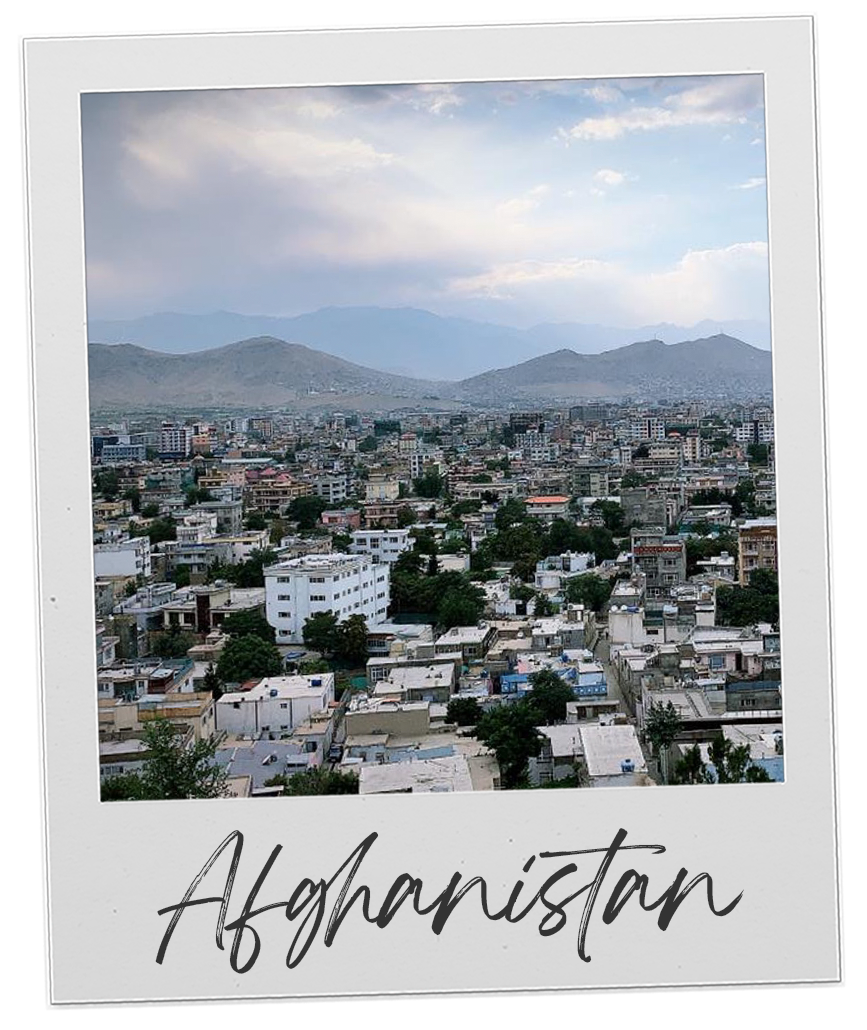
On August 15, 2021, the Taliban captured the capital city, Kabul, marking a crucial turning point in the Afghan conflict. It came as the U.S. was in the final stages of military withdrawal, ending a 20-year presence in the country. While the Taliban victory ended the war, violence has persisted, and civilian casualties have continued. The consequences of conflict remain for the Afghan population, with many displaced and in need of humanitarian assistance. This event has profound implications for Afghanistan’s future, and for gender, justice and security in the region.
Rolling back Limited Progress on Gender Under the Taliban regime, there have been significant rollbacks of women’s rights and freedoms. The slow but important progress that had been made in the last two decades, including gains in education, employment, and political participation for women and girls, faces severe threats. Gender-based violence and restrictions on women’s movement and autonomy are becoming more widespread, while retrenchment of patriarchal and conservative gender norms put women and the LGBTQ+ community at severe risk of discrimination, marginalisation, and violence.
The Challenge
Large-Scale Displacement and Loss of Homes
At the outset of the Hub’s work in Afghanistan mass displacement had resulted in loss of homes and widespread community insecurity. This displacement presented significant challenges to individual and community well-being and the continuity of daily life.
Cultural Identity Preservation Amidst Displacement
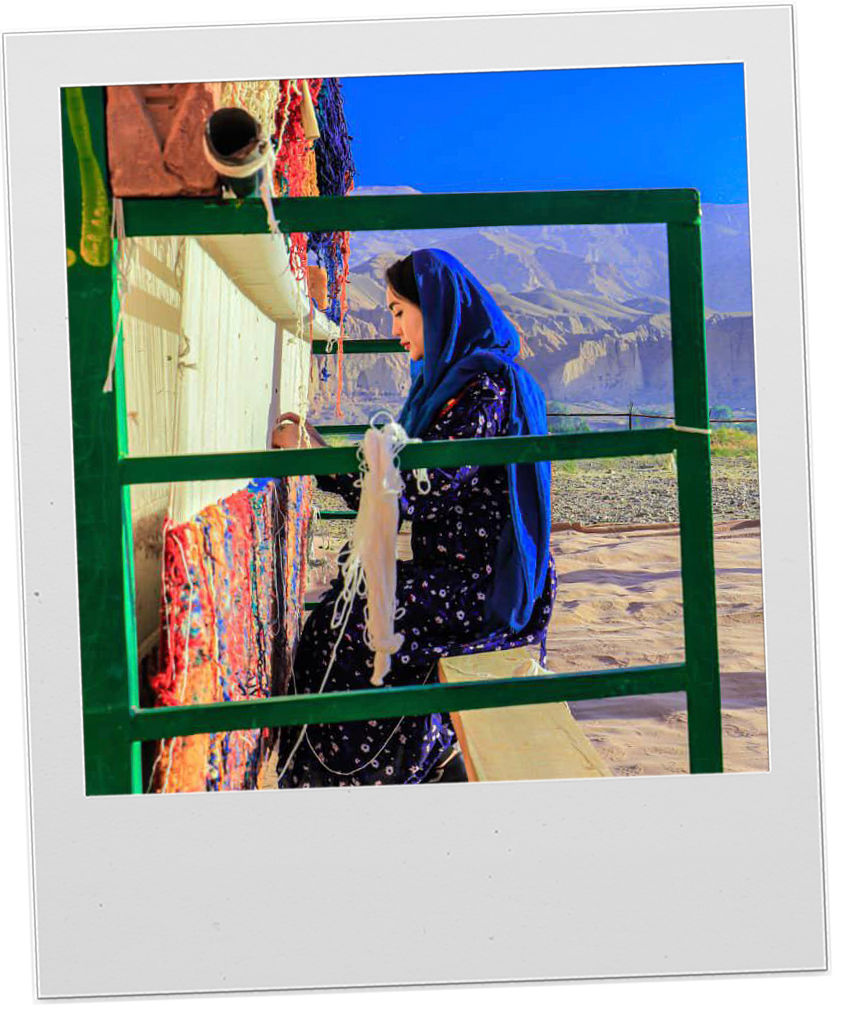
Displaced communities face the challenge of preserving their cultural identity, including language, narratives, and traditional crafts, which are at risk of being lost in the process of displacement and resettlement.
Economic Instability and Lack of Sustainable
Livelihoods
Displaced populations, particularly women, face economic instability with limited access to income-generating activities. Providing sustainable livelihood opportunities is essential to address poverty and economic dependency.
Gender-Specific Challenges in Conflict Zones
Women in conflict and displacement settings in Afghanistan encounter unique challenges related to safety, reduced decision-making power, and restricted access to resources, all of which are exacerbated by the patriarchal cultural and social norms in the country.

Peacebuilding and Reconstruction Capacity
In Afghanistan, there is a crucial need for peacebuilding and reconstruction. The Hub projects aimed to explore how culture-specific knowledge, particularly women’s skills in crafts, could contribute to these efforts.
Health and Hygiene Accessibility
Access to basic health and hygiene facilities is a major challenge, more so for women and girls who have specific health needs and face difficulties due to displacement.
Integration and Social Inclusion
The integration of displaced people into new communities or regions while maintaining also their cultural identity poses a complex challenge, especially in terms of social inclusion and acceptance.
Key findings
• Cultural Identity and Craft: Women’s craft, especially embroidery, plays a crucial role in preserving cultural identity. Embroideries, like charmadozi and khammakdozi, are an important a source of income but also carry immense cultural significance, representing a form of tacit knowledge passed down through generations, and helping women maintain a sense of community and identity amid conflict and displacement.
• Adaptation During COVID-19: The pandemic forced changes in research methods and support strategies for Afghan craft practices. It also highlighted the resilience and adaptability of these cultural practices, even under challenging conditions like reduced funding and increased health risks. The project’s adaptation to these
circumstances shows the enduring relevance of craft in crisis situations.
• Economic Challenges and Opportunities: With the economic fragility and shrinking economy in Afghanistan, the project’s focus on livelihoods became more critical. Women increasingly joined the craft project, seeking income generation through craft sales. This economic participation provided not only financial support but also
a sense of empowerment and community involvement.
• The Gendered Impact of Displacement: There are differences in asset ownership, decision-making authority, and access to services for women and men. In particular, women faced greater challenges indicating a need for gender-specific support and policies in displacement scenarios.
• Mental Health and Well-being: Both men and women reported high levels of anxiety and concern for the future, reflecting the widespread mental health challenges among displaced populations. This finding underscores the need for mental health support tailored to the unique stresses of displacement, uncertainty, and ongoing insecurity.
• Health and Hygiene Access: Access to basic health and hygiene facilities, especially for women, remains severely limited. The lack of sanitary products and clean water access poses significant health risks, and there is a critical need for improved health and hygiene infrastructure throughout Afghanistan.
• Educational Gaps and Early Marriage: Girls in Afghanistan have less access to education than boys. Early marriage remains a common reason for non-attendance of school, limiting future opportunities for women and perpetuating cycles of gendered poverty and dependency. This issue calls for targeted interventions to keep girls in school and address cultural practices, including early marriage.
• Challenges for Afghan Migrant Women in Pakistan: Afghan migrant women in Pakistan face numerous barriers, including legal uncertainties, social isolation, and limited integration opportunities. Despite living in the country for extended periods, they often struggle with precarious legal status, impacting their access to education, healthcare, and employment.
• Economic Challenges for Returnees: Returnees to Afghanistan encounter various difficulties, such as finding employment and dealing with bureaucracy. Women face greater economic challenges in reintegration, often due to gender norms and limited job opportunities aligned with their skills and education.
• Discrimination and Safety Concerns for Returnees: Returnees report discrimination based on gender, ethnicity, language, and political views. Women are particularly vulnerable to safety concerns, facing harassment and feeling unsafe, especially in public spaces or when travelling alone.
Recommendations
Policy Makers
• Economic Empowerment: Develop and support programs for the economic empowerment of displaced women, particularly in the craft sector.
• Educational Programmes: Implement policies and programs to prevent early marriage and promote girls’ education.
• Mental Health Services: Establish mental health services that are accessible to displaced populations, with a focus on addressing the unique stressors for these communities and to women and girls in them.
• Legal Protection for Migrants: Strengthen legal protections for Afghan migrants, especially for women, and facilitate their integration and access to public services.
International NGOs and Relief Agencies:
• Women’s Health: Prioritise women’s health initiatives, including antenatal and reproductive health services Basic Needs and Sanitation: Advocate for and provide access to clean water, sanitation facilities, and food security to mitigate health crises.
International Community and Host Countries:
• Support for Afghan Migrants and Returnees: Assist Afghan returnees and migrants in terms of job placement, social integration, and addressing poverty.
• Reducing Discrimination in Education: Review and amend community education policy and practices to combat discrimination based on gender, ethnicity, and language.
• Skill Utilisation: Identify and utilise the skills and qualifications of Afghan experts, particularly those who have been displaced, to contribute positively to their host communities and homeland.
UN Agencies and Humanitarian Actors:
• Peace and Reconciliation Advocacy: Advocate for peace processes in Afghanistan, especially focusing on women’s inclusion, while encouraging engagement with Afghan people who have existing relevant skills and experience.
• Awareness of Rights and Access to Justice: Raise awareness and improve understanding of women’s rights and refugee rights and provide support in seeking access to them
The Afghanistan Project
Afghanistan went through rapid geopolitical shifts in 2021. The nation plunged into poly-crises. As the population moved, in and out of the country, families were forcefully displaced across international borders. In what is being called ‘gender apartheid’ Afghan women are now erased from public spaces, education, health and employment, putting a halt and threatening to reverse gains made over the last two decades on women’s rights and plunging half of the population into abject poverty. In August 2021, our team got involved in safeguarding our Afghan colleagues and evacuating them from the country. Since then, our research has pivoted to include advocacy and campaign on behalf of our Afghan colleagues and partners. Our work in Afghanistan now includes:
- A Country Profile and Policy Paper for Social Cohesion in Afghanistan and Pakistan
- Hosting the Secretariat of the UK Government All Party Parliamentary Group on Afghan Women and Girls
- Campaigning for multiple narratives and inclusion of community voices from recently arrived displaced Afghans and the wider diaspora
- Thematic discussions and workshops, looking at the ground challenges of resettlement of Afghans in the UK- advising policy makers
- We support to women artisans by connecting them to retail markets in UK and worldwide – providing sustainable income
- The Qesa website – archiving Afghan culture
- Skills mapping for Afghans in UK as a sample group to understand the needs of the community
- A Gender inclusive crisis toolkit
- Women’s leadership, and trauma informed healing and health service training
Visual Minutes
Animations
Forced Displacement: Afghanistan and Pakistan
People On The Move
Resources
Gender and Forced Displacement in Humanitarian Policy Discourse: The Missing Link
This paper reports on a study that examines how gender has been referenced in United Nations (UN), supranational and state documents on forced migration over the past 40 years. It is motivated by the premise that humanitarian protection discourses reflect broader institutional priorities and ideologies and may therefore expose gaps that reveal the relative importance given […]
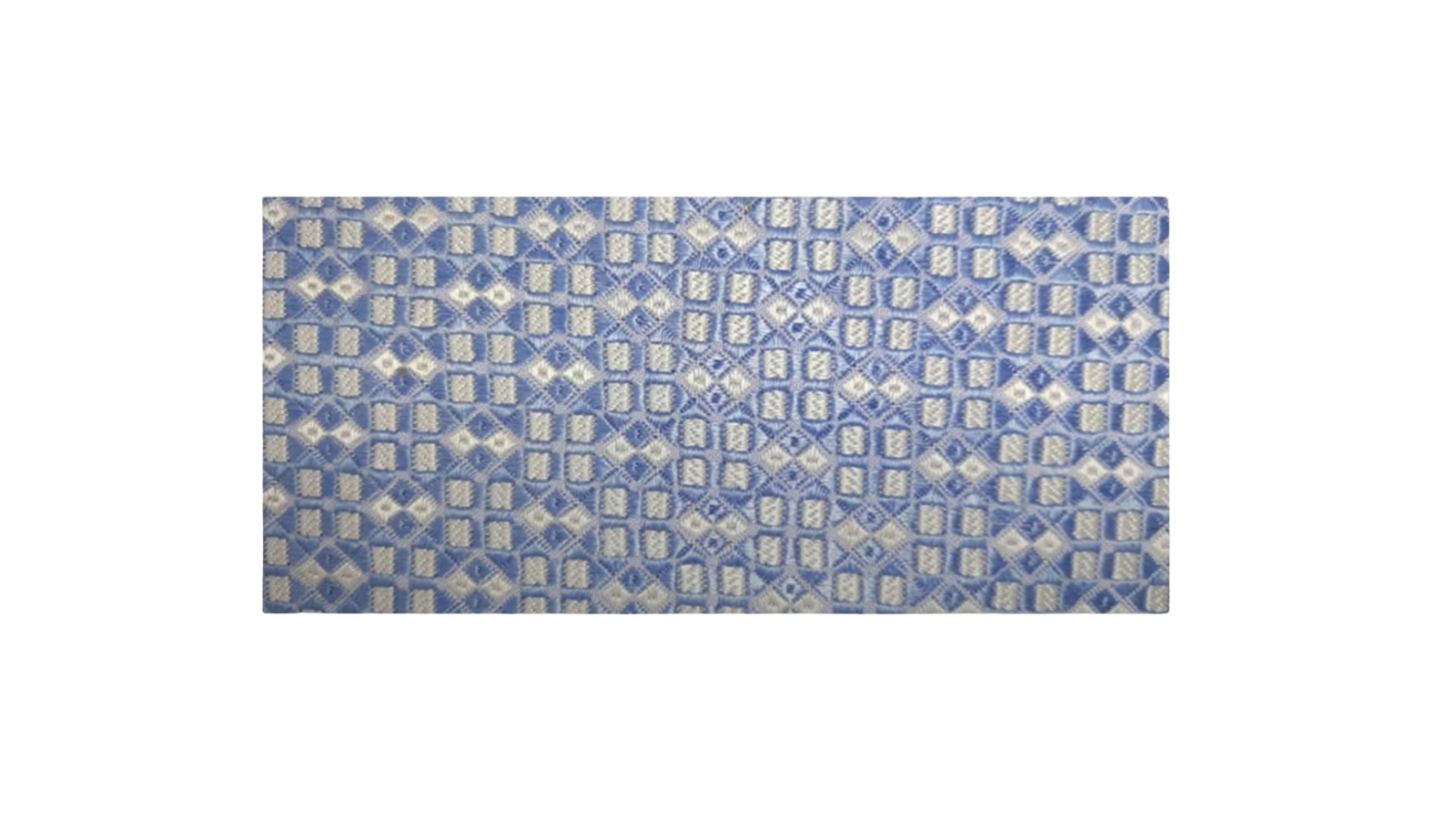
The Story of Khamak Dozi
This video documents khamak embroidery, a traditional craft practiced in Kandahar, Afghanistan. Khamak is a detailed whitework embroidery created using geometric satin stitches on fine cotton or linen cloth. It was historically used to decorate floor-length shawls for men and burqas (head coverings) for women. Most Pashtun women learn khamak embroidery at a young age […]
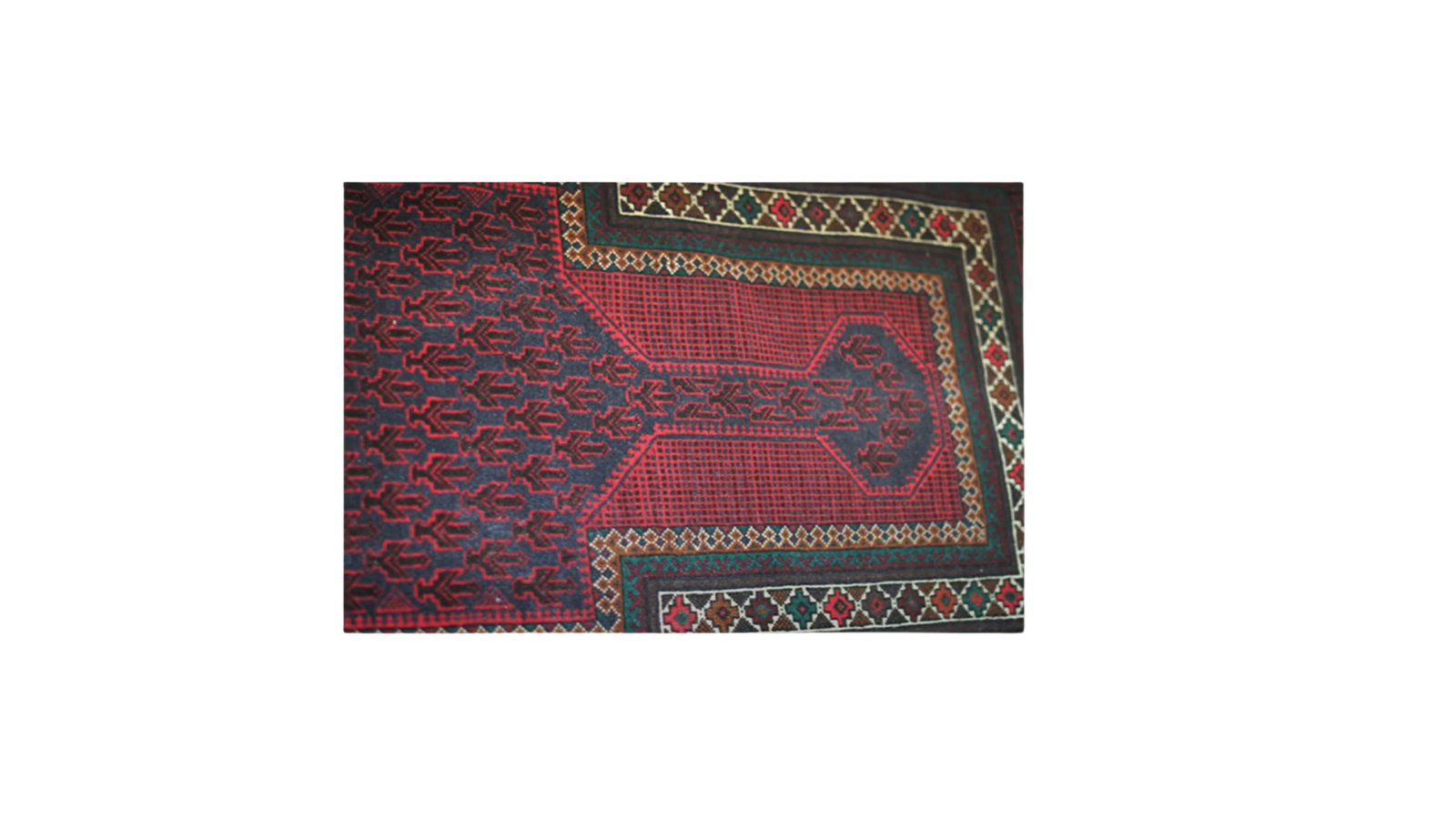
The Story of Bafabdagi
In this video, we explore the rich cultural heritage of rug weaving among nomadic communities in Afghanistan. Woven entirely by hand, these rugs are not sold but traded for essential goods. Their intricate patterns – passed down through generations of women – are thousands of years old, preserving ancestral knowledge and storytelling. These rugs serve […]
Afghanistan: Researching shifting landscapes
Afghanistan: Researching Shifting Landscapes (2019–2024) follows the work of the Afghan Solidarity Coalition, a global partnership of scholars and practitioners, and the resilient women artisans of Afghanistan as they navigate profound environmental, social, and economic changes. Through these intimate vignettes, woven together by a dedication to women’s peace, participation, and cultural heritage, the documentary reveals […]
People on the Move
People on the Move is a short animated film from the Gender, Justice, and Security Hub that synthesises field research in Afghanistan conducted between 2019 and 2024. It outlines the Hub’s mandate to document conflict, discrimination and violence against marginalised communities, demonstrates how political instability and repeated crises create a self-perpetuating cycle of local conflict, […]
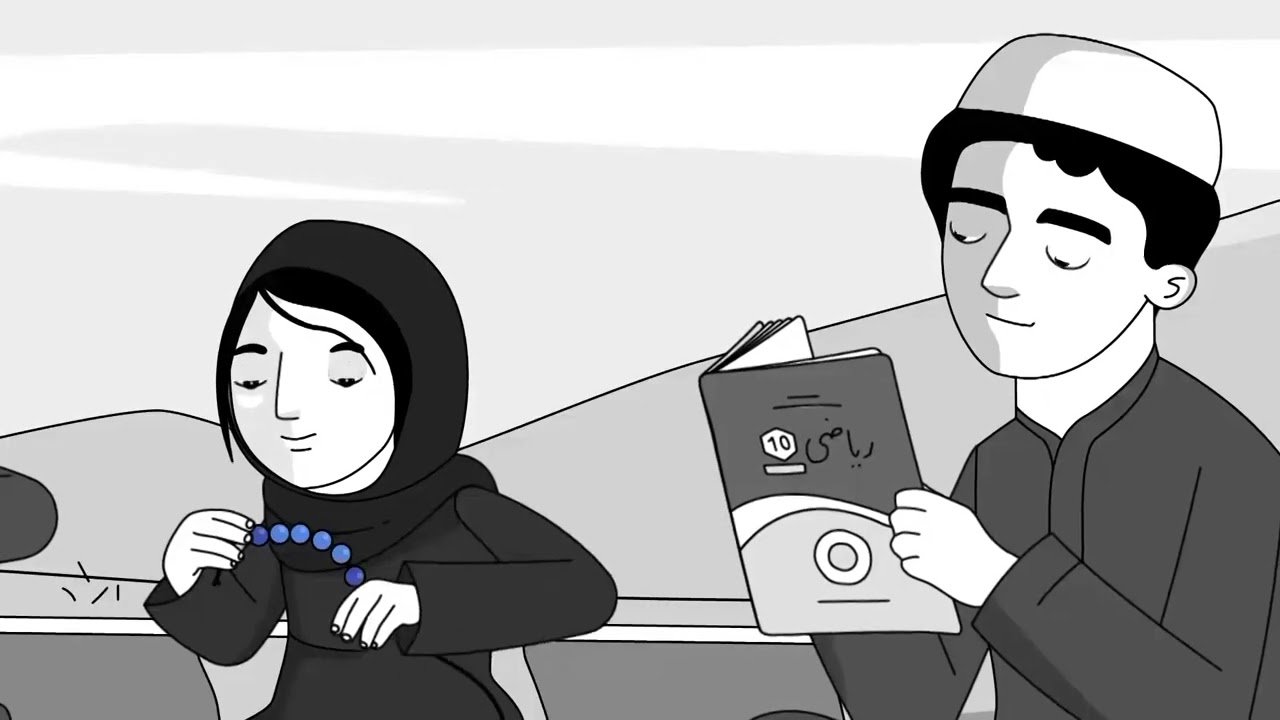
Forced Displacement: Afghanistan and Pakistan
In this video, Afghan refugee children reflect on their disrupted education during COVID-19 and how the Sikhao Saathi program helped them get back to learning. Despite lacking Pakistani ID cards, many have rejoined government schools – some already in Grade 6 – and even discovered a passion for teaching. They share the ongoing challenges of […]
Afghanistan country impact: Visual minutes
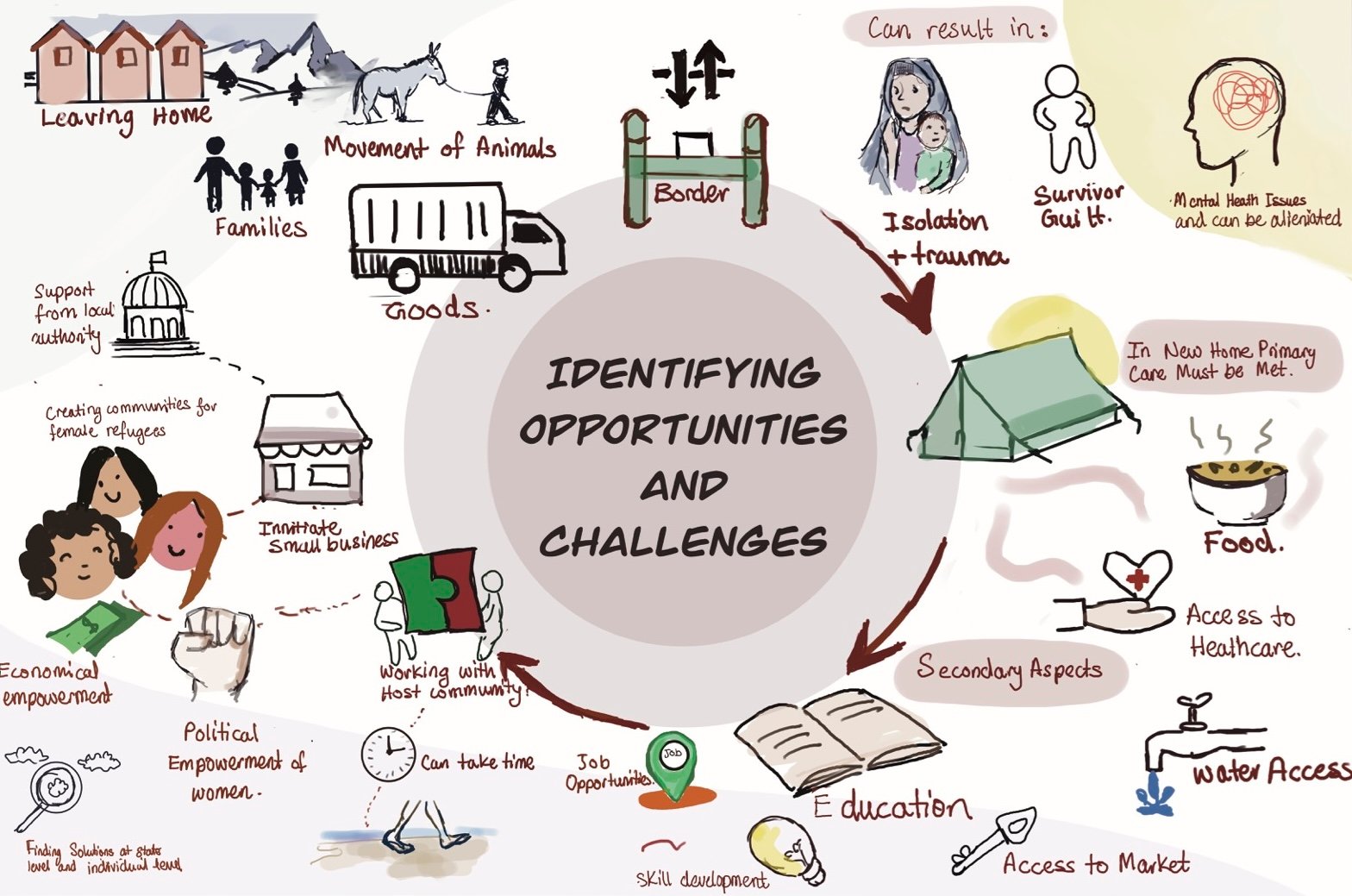
This “visual minutes” sketch mirrors our research on Afghan women’s cultural resilience in conflict. It traces the arc from forced displacement – marked by trauma, isolation and urgent needs for shelter, food, water and healthcare – to longer-term recovery through education, skills training, job access and collaboration with host communities. Central to this process are […]
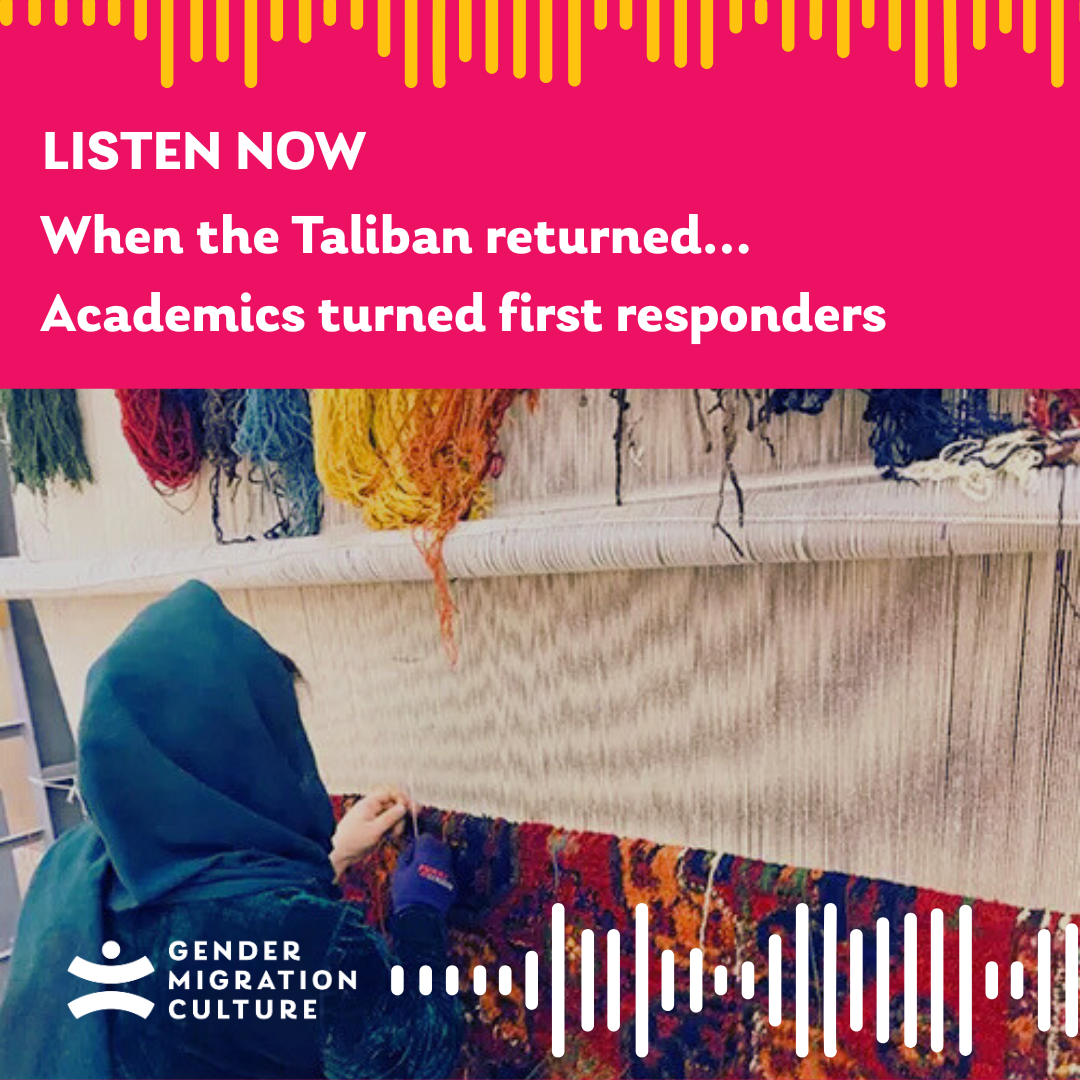
When the Taliban returned: Academics turned first responders
In this podcast episode of When the Taliban Returned, Academics Turned First Responders, Michelle Callender from SOAS speaks with Sobia Kapadia and Neelam Raina about their transformative work on the Culture and Conflict Project, running from 2019 to 2024. This initiative, part of the Global Challenges Research Fund Gender, Justice and Security Hub, focused on […]
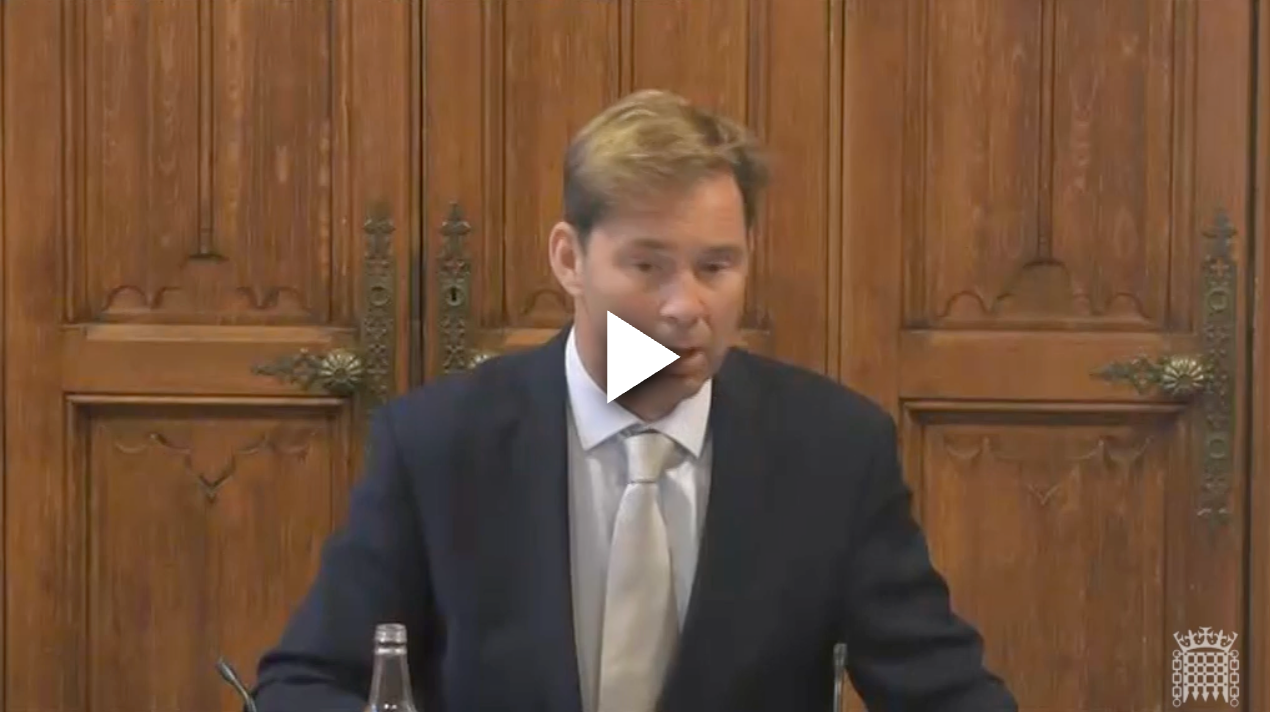
Oral Evidence in Parliament on Afghanistan
This session of the UK House of Commons Defence Committee explored the UK’s withdrawal from Afghanistan, the collapse of the Afghan government, and the performance of the Afghanistan Citizens’ Resettlement Scheme (ACRS) and ARAP (Afghan Relocations and Assistance Policy). Key points raised included: Click the image below to watch the full video, or follow this […]
We tried to get eligible Afghans out of Kabul. British officials did little to help
News Article: The government’s pledges to Afghans smack of virtue signalling, with almost no follow-through in our case. A co-authored piece for the UK Telegraph. We are UK based academics who have been working with Afghan partners for years. We know of several hundred Afghan individuals at high risk due to their association with UK […]
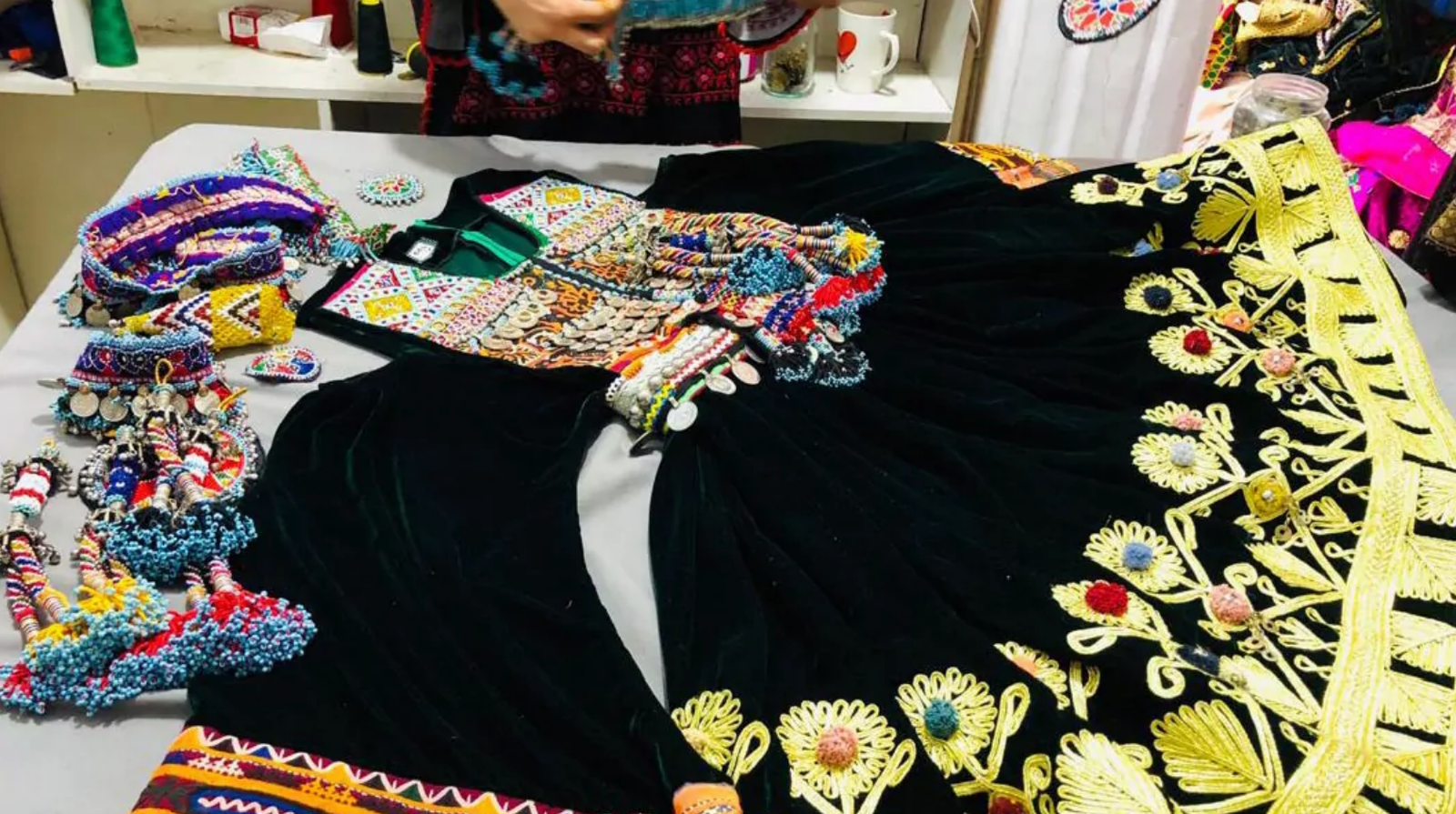
Failing and forgetting Afghanistan
This is a blog post published on the LSE Gender Hub pages. As Afghanistan collapsed and crisis became imminent this was written during my work as a colleague, a humanitarian actor, a fund raiser to help with evacuating our research colleagues from the country in August 2021. “This is not political analysis – I will […]
Academia to Activism: Redefining Research in Afghanistan’s Crisis
In this episode, we hear the story of Ahmed, a 24-year-old Afghan man whose life was at risk during the Taliban’s 2021 takeover. Dr. Neelam Raina and Sobia Kapadia share their firsthand experiences as their UK-funded research project, focused on gender, justice and security, took a dangerous turn when colleagues were targeted for their work. […]
Written evidence from Afghan Solidarity Coalition (ASC), UKRI GCRF Gender, Justice and SecurityHub
The Afghan Solidarity Coalition (ASC), comprising UK and international partners including the UKRI GCRF Gender, Justice and Security Hub, submitted evidence on the Afghanistan Citizens’ Resettlement Scheme (ACRS). The ASC has supported the evacuation and resettlement of at-risk Afghan human rights defenders, women peacebuilders, and LGBTQI+ activists. Key concerns raised include the ACRS’s continued closure, […]
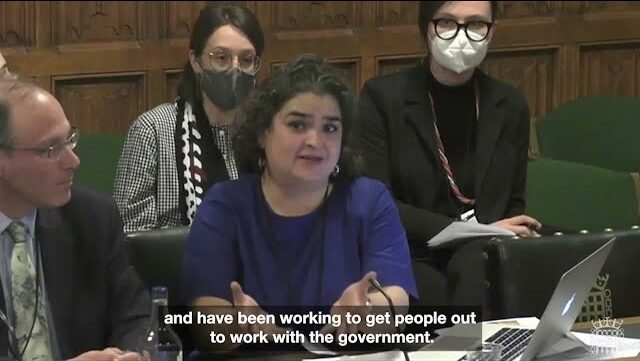
Hub members give evidence on the UK’s withdrawal from Afghanistan
Dr Neelam Raina and Professor Brad Blitz give evidence on the UK’s withdrawal from Afghanistan to the Defence Select Committee. They discuss the work the Afghanistan Solidarity Coalition has done to evacuate at-risk Afghans, the urgent need for the UK Government to evacuate those who are at-risk for their work on UK funded programmes, the […]
Interconnected & Multiple Crisis: Gendered Displacement & Cross-Border Migration Across Afghanistan & Pakistan
A presentation delivered at IMISCOE Spring Conference 2024. The history of Afghanistan & Pakistan has shared ongoing socio-political instability, armed conflicts, environmental catastrophes and economic crises. Almost 2 million Afghan live in Pakistan. Between 2002 and 2021, over 5 million refugees returned home, while nearly 3.5 million Afghans are presently internally displaced. Data were collected […]
Research and knowledge exchange: notes from South Asian neighbourhoods
This publication underlines that the delivery of excellent and ethically centred knowledge exchange and research collaborations with a wide range of partners, draws on an extraordinarily wide range of skills, competencies, and resources. We need to be careful and supportive of the people leading this work, as well as our collaborative partners. This is particularly […]
Return, Reintergration and Political Restructuring
Previous research on return migration has mainly covered return to political and economically stable countries. Furthermore, the literature predominantly focusses on economic reasons for return. Much less is known about the gendered experience of return migration to conflict-affected contexts, and how this relates to development, gender equality, justice and inclusive peace. This research project explores […]
Conflict and Culture Project Impact Report – Afghanistan – Women for Peace and Participation
This document discusses the “Culture and Conflict project” part of the Gender Justice and Security Hub in Afghanistan. The primary focus on this action-based research is to investigate the impact of conflicts in various regions by delving into the discussion of cultural aspect and impact of war and insecurity on people’s culture and needs. This […]
Return, Reintegration and Political Restructuring in Afghanistan: Surveyof Return Migration to Kabul and Kandahar, 2022
Afghanistan has been witnessing one of the worst internal displacements and refugee crises in the world for more than 40 years. Every Afghan regime shift brought up a fresh wave of refugee crisis and humanitarian disaster in the country. Since the 1970s, it is estimated that 6 million Afghans have fled their country. Despite the […]
Afghanistan country briefing
This brief on Afghanistan from the Gender, Justice and Security Hub looks at the country context, including issues around protracted and ongoing conflict, the fraught progress towards peace, issues with Taliban control following the taking of Kabul in 2021, and the rolling back of limited progress on gender. The Hub’s work in the region has […]
Supporting Afghan Researchers At Risk: Critical Analysis of Key Lessons
Following the fall of Kabul to the Taliban in August 2021, a wave of devastating changes swept across Afghanistan. The return of the group has ushered in a dark era, characterized by blatant disregard for essential human rights and deliberate dismantling of democratic values. Among the most vulnerable are women and girls, religious and ethnic […]