Culture and conflict
The Culture and Conflict project was part of the Transformation and Empowerment workstream and was led by Dr Neelam Raina.
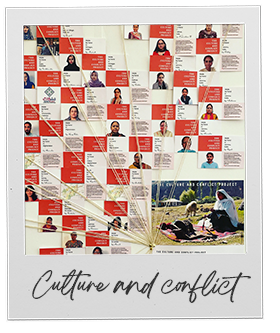
This research investigates the value of culture to women in conflict settings. It explores gendered economic exclusion and its relationship to peacebuilding, economic agency and empowerment. It uses a cultural mapping methodology to explore how communities of women across different conflict contexts rely on coded and tacit knowledge to rebuild their lives and to understand how cultural practices continue to exist and resist in these challenging contexts.
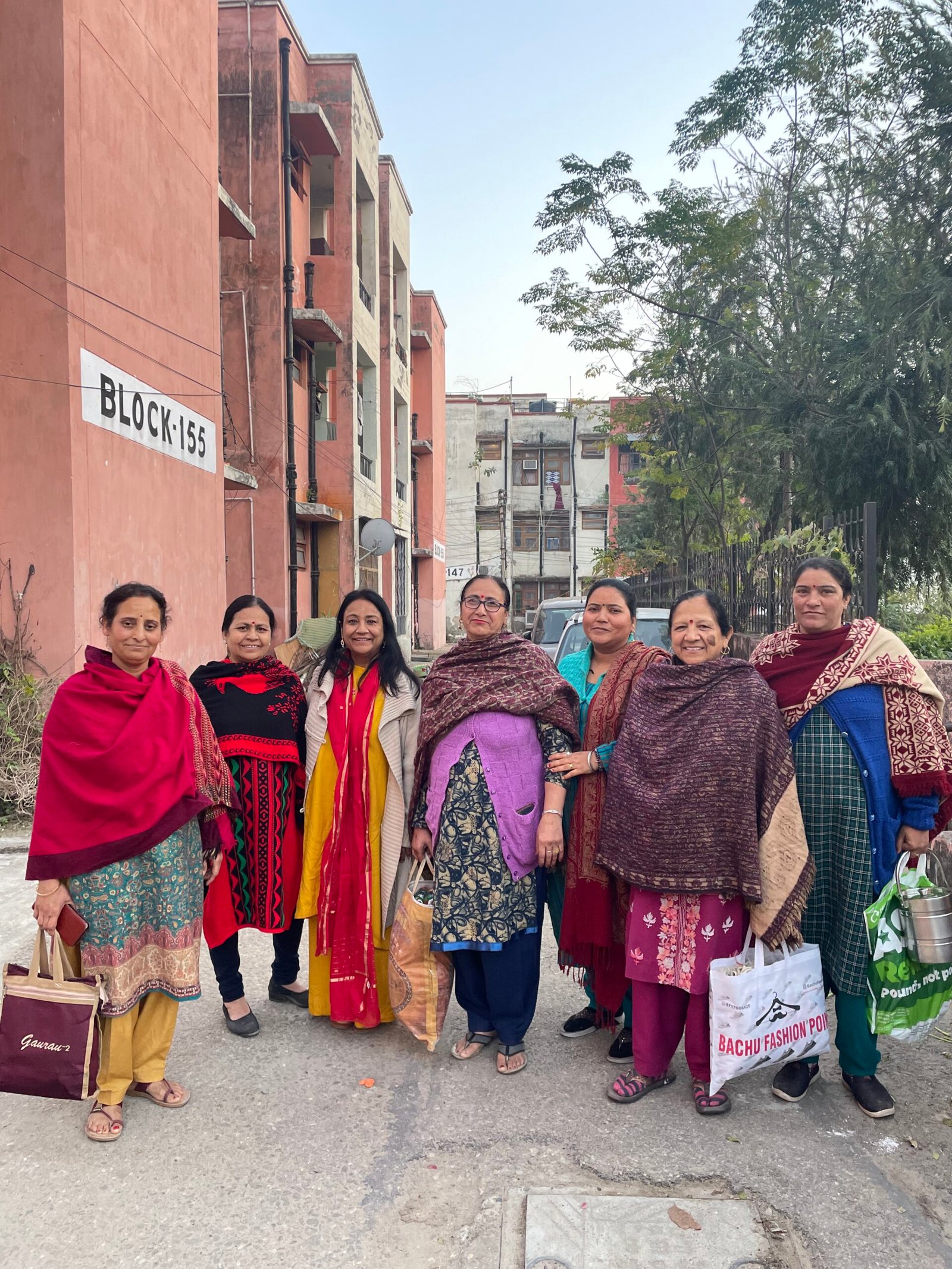
103 women were involved in the project, across eight research sites in India, Pakistan, Sri Lanka and Afghanistan. The research investigates the value of culture to women in conflict settings. It explores gendered economic exclusion and its relationship to peacebuilding, economic agency and empowerment. It uses a cultural mapping methodology to explore how communities of women across different conflict contexts rely on coded and tacit knowledge to rebuild their lives and to understand how cultural practices continue to exist and resist in these challenging contexts.
Participatory action research allowed those most impacted to lead in framing questions and determining which actions will be useful in effecting positive change.
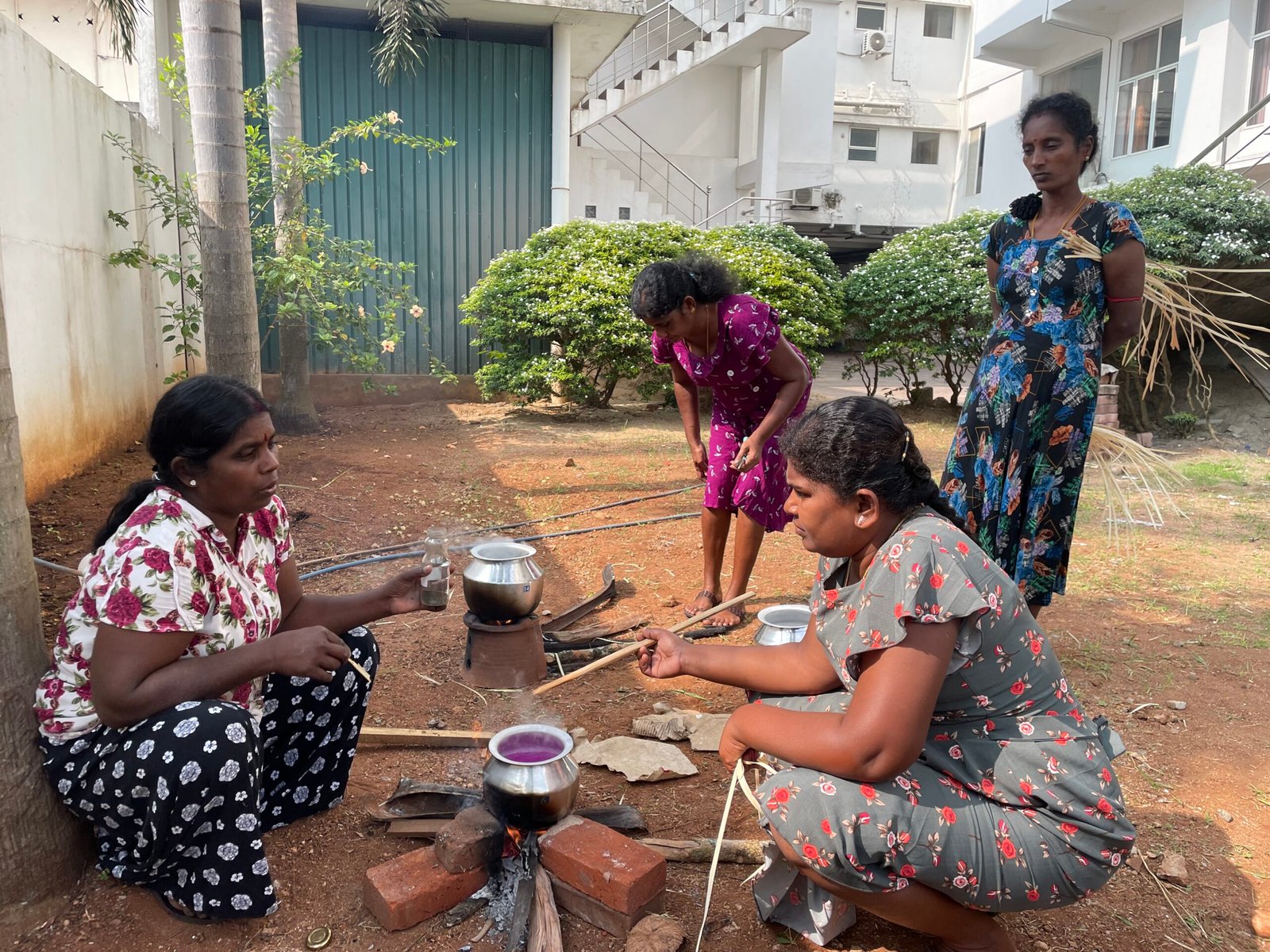
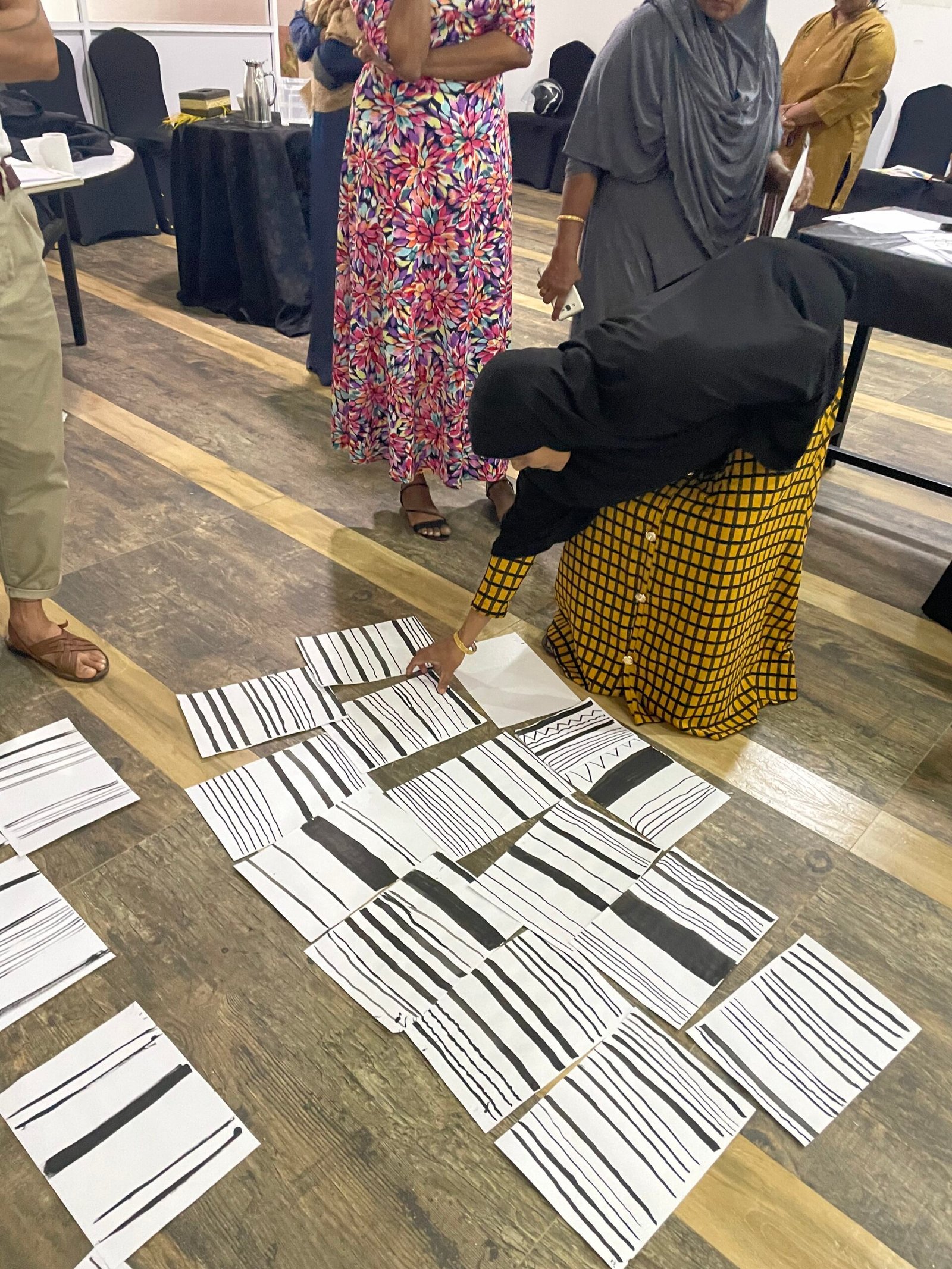
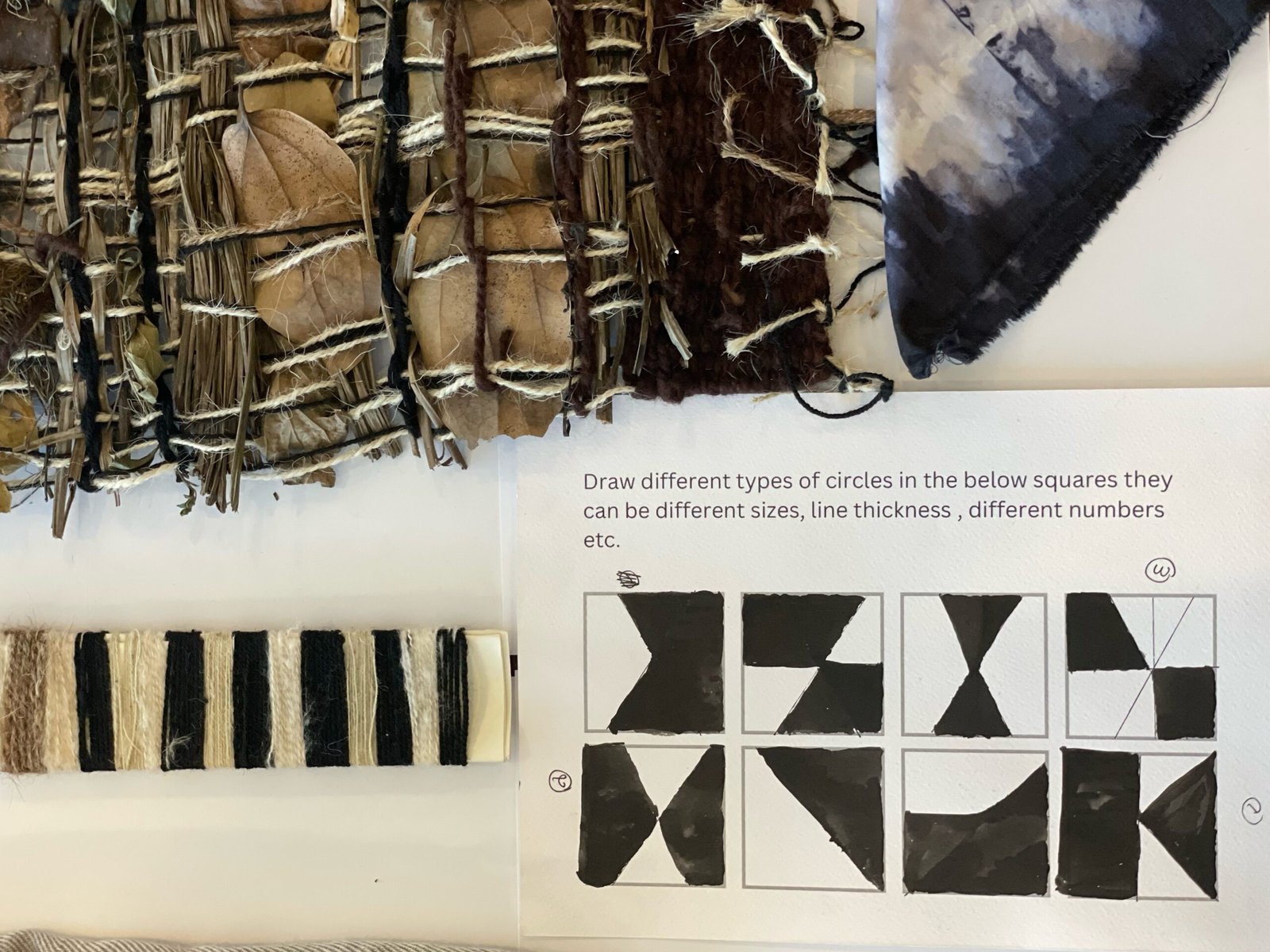
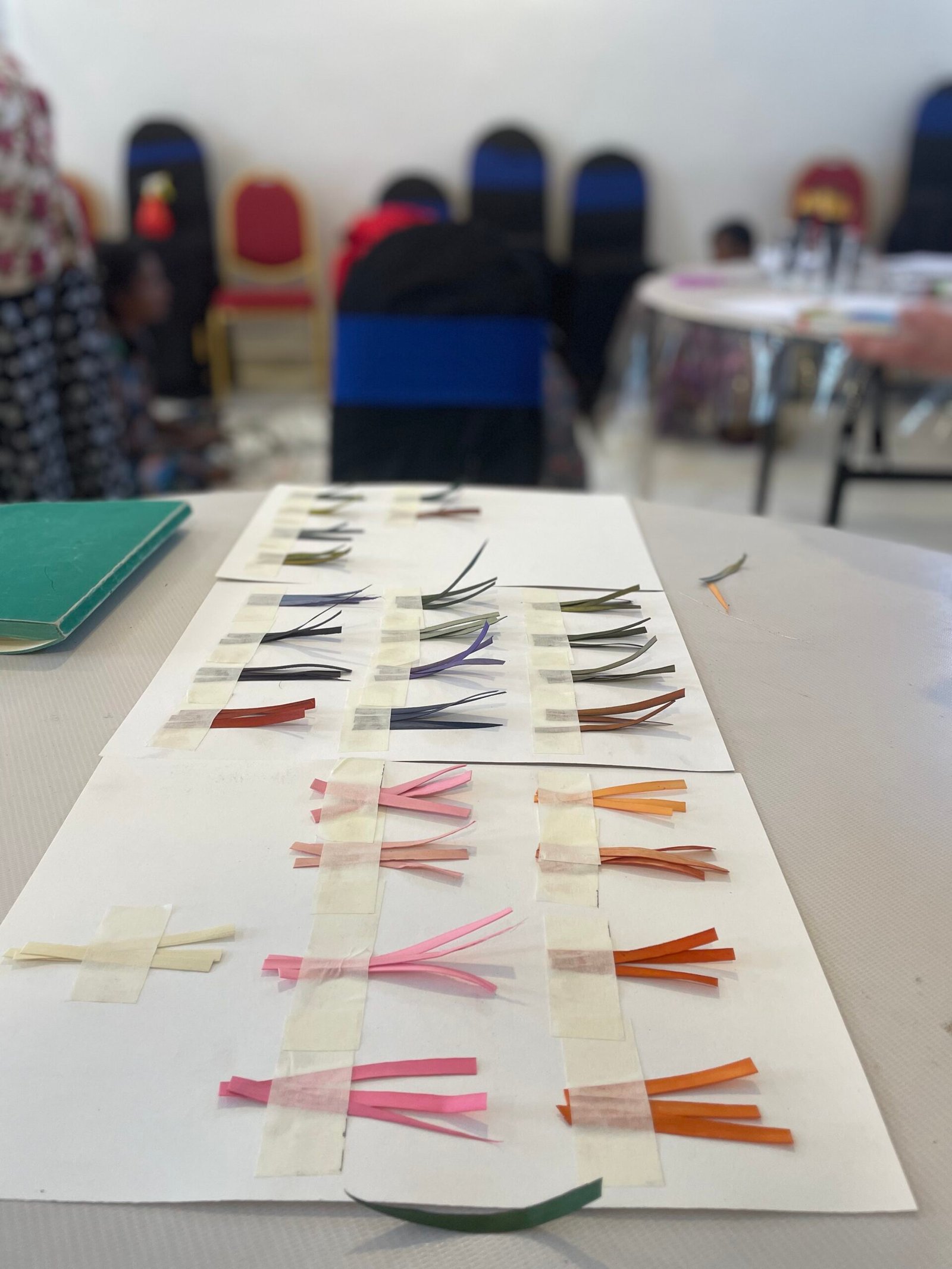
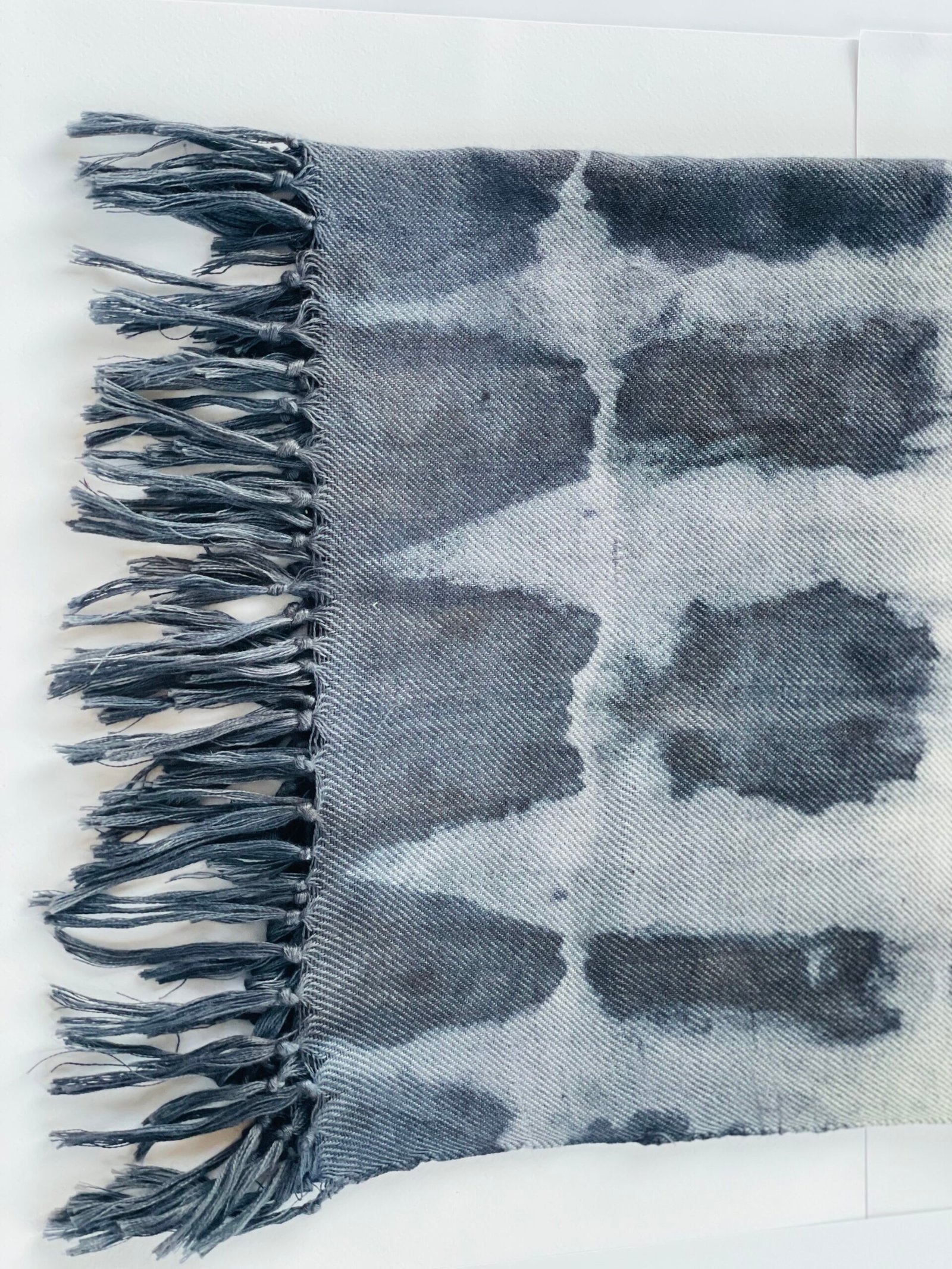
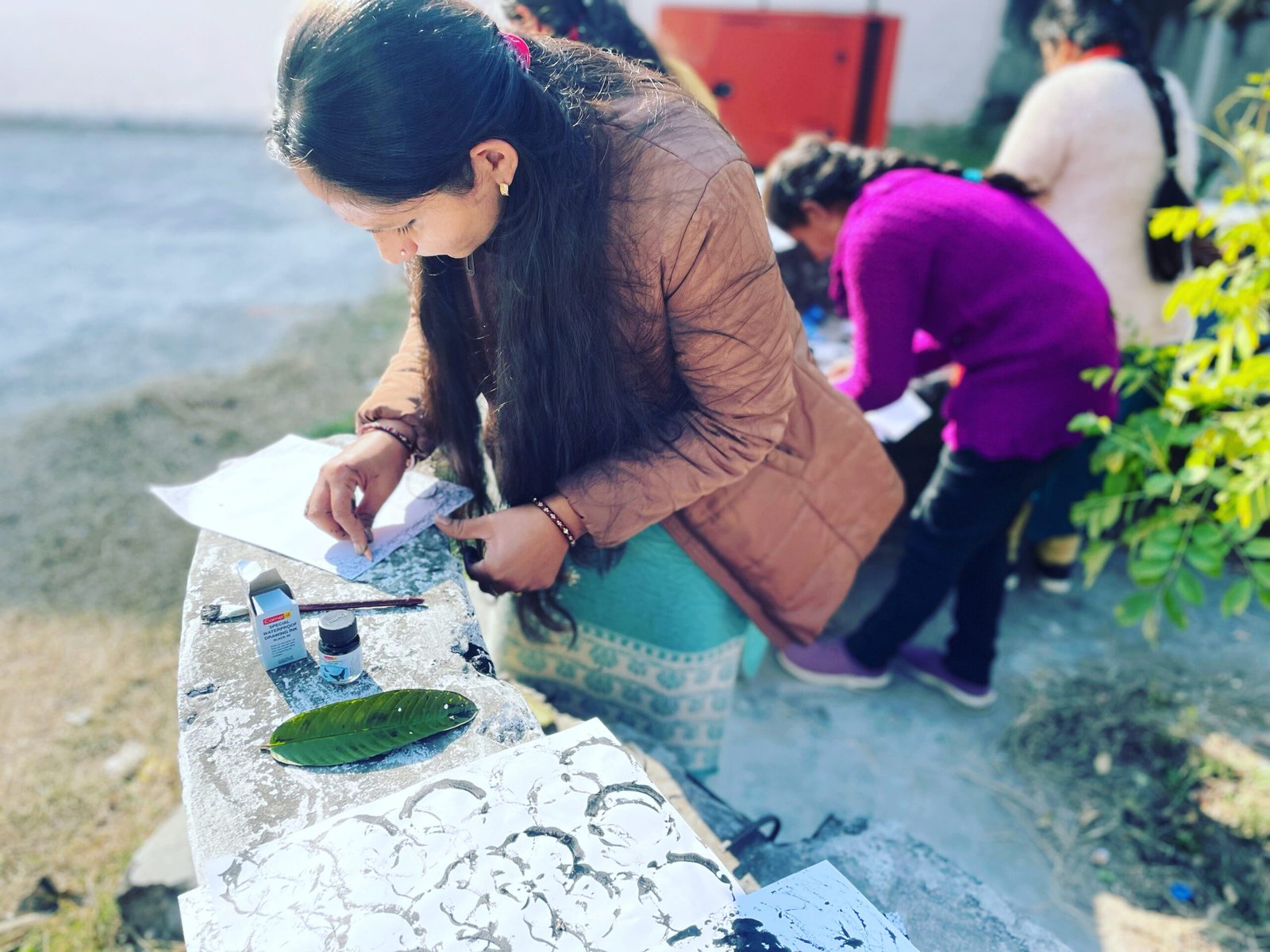
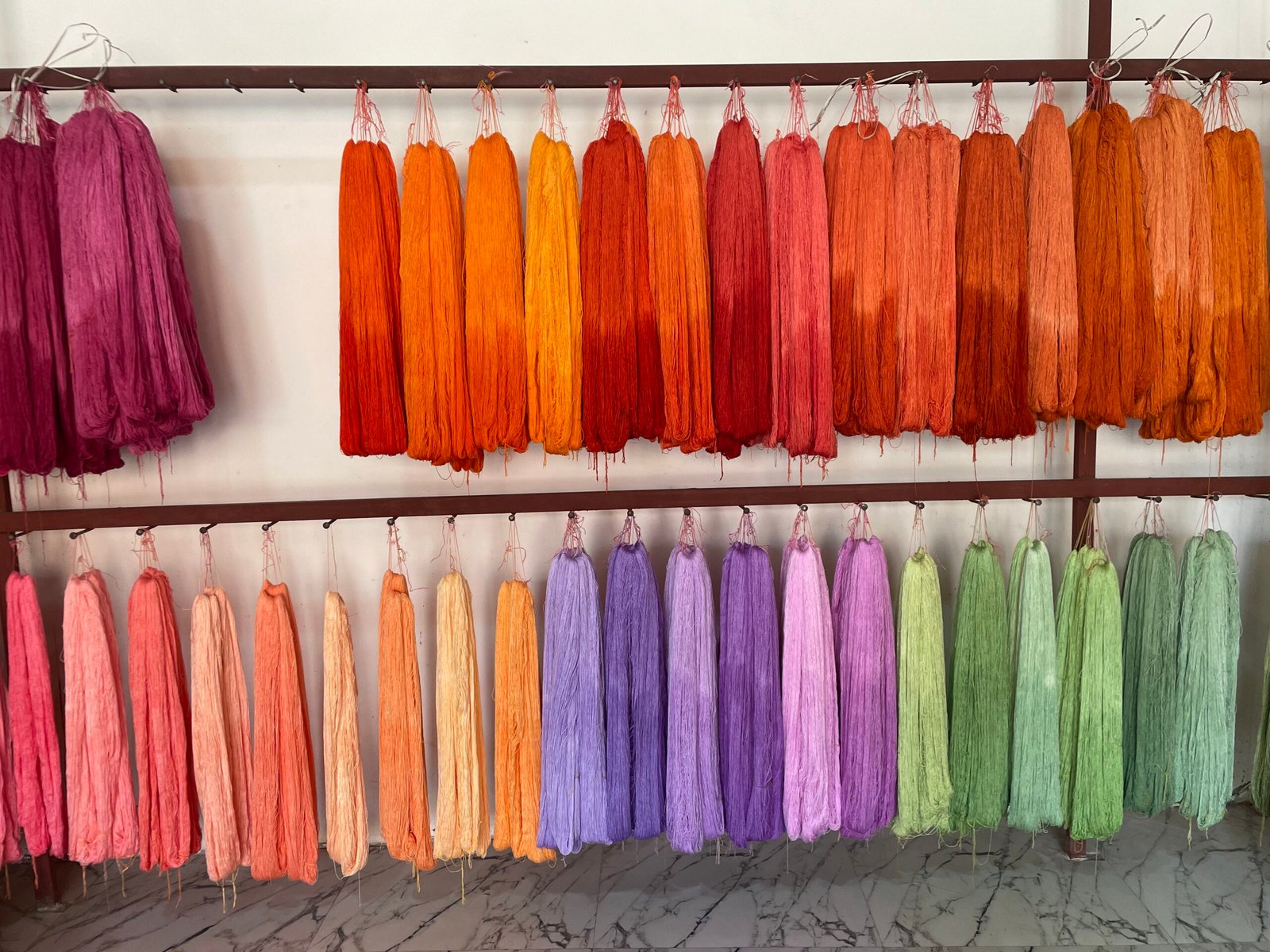
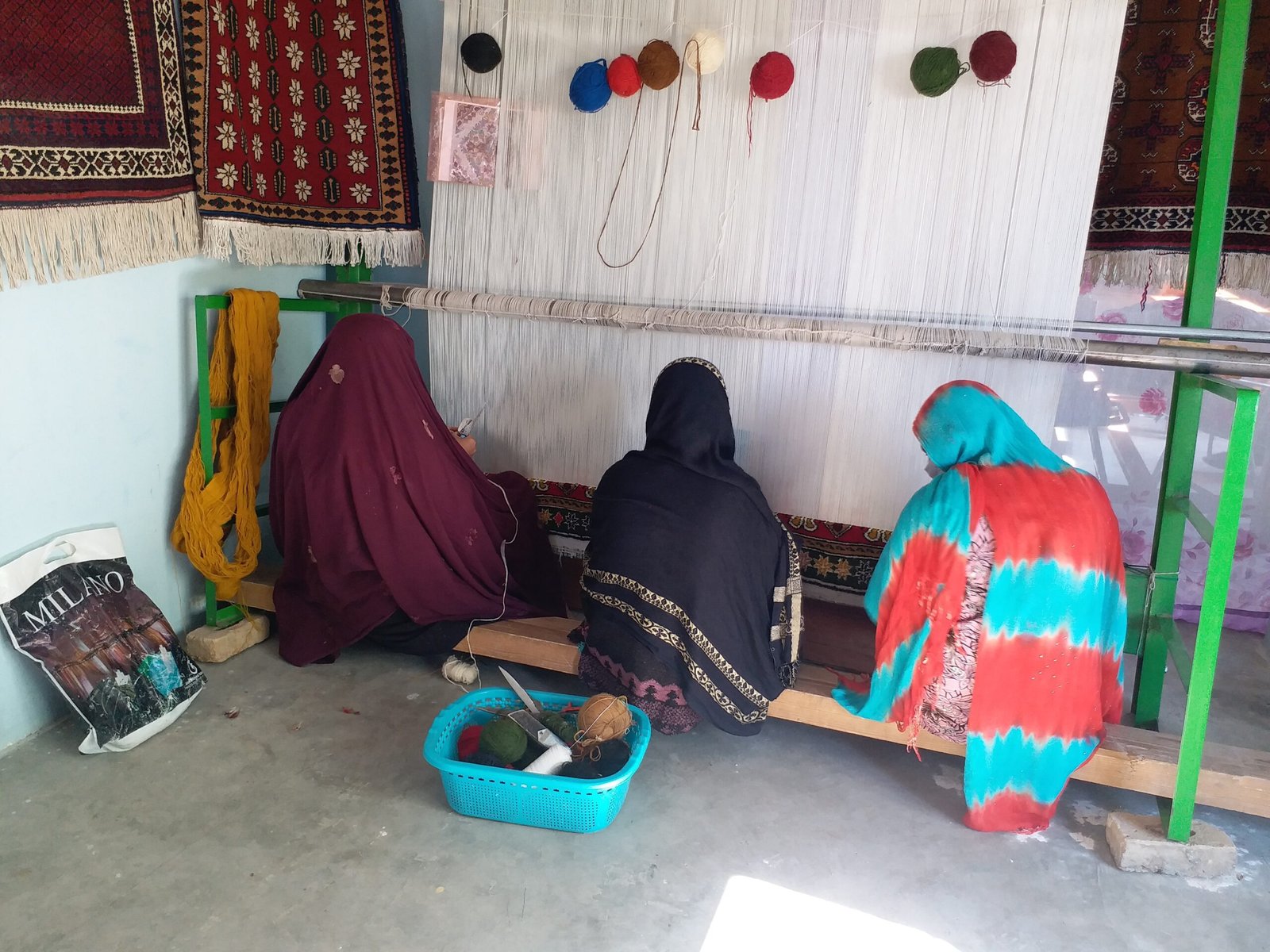
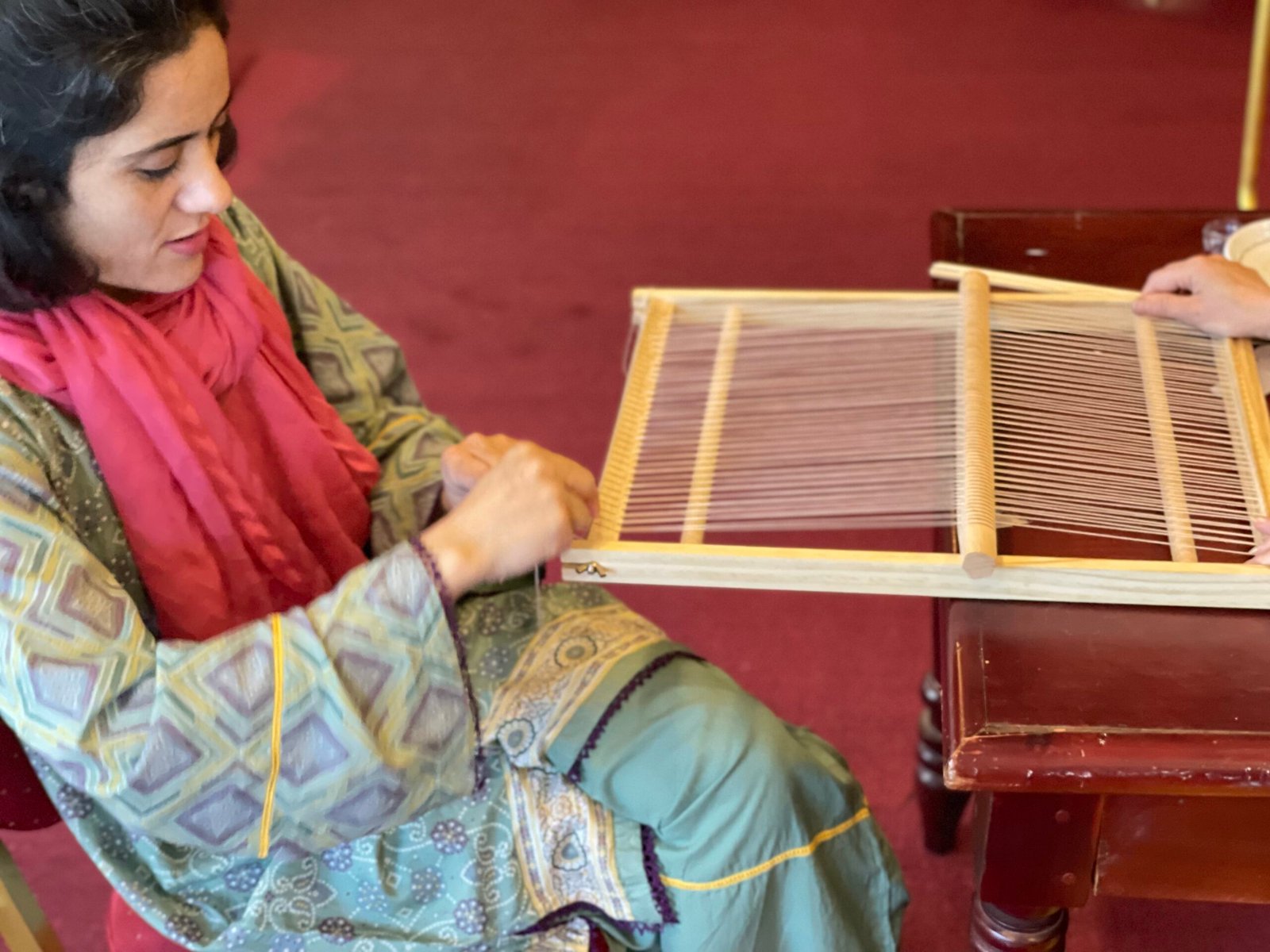
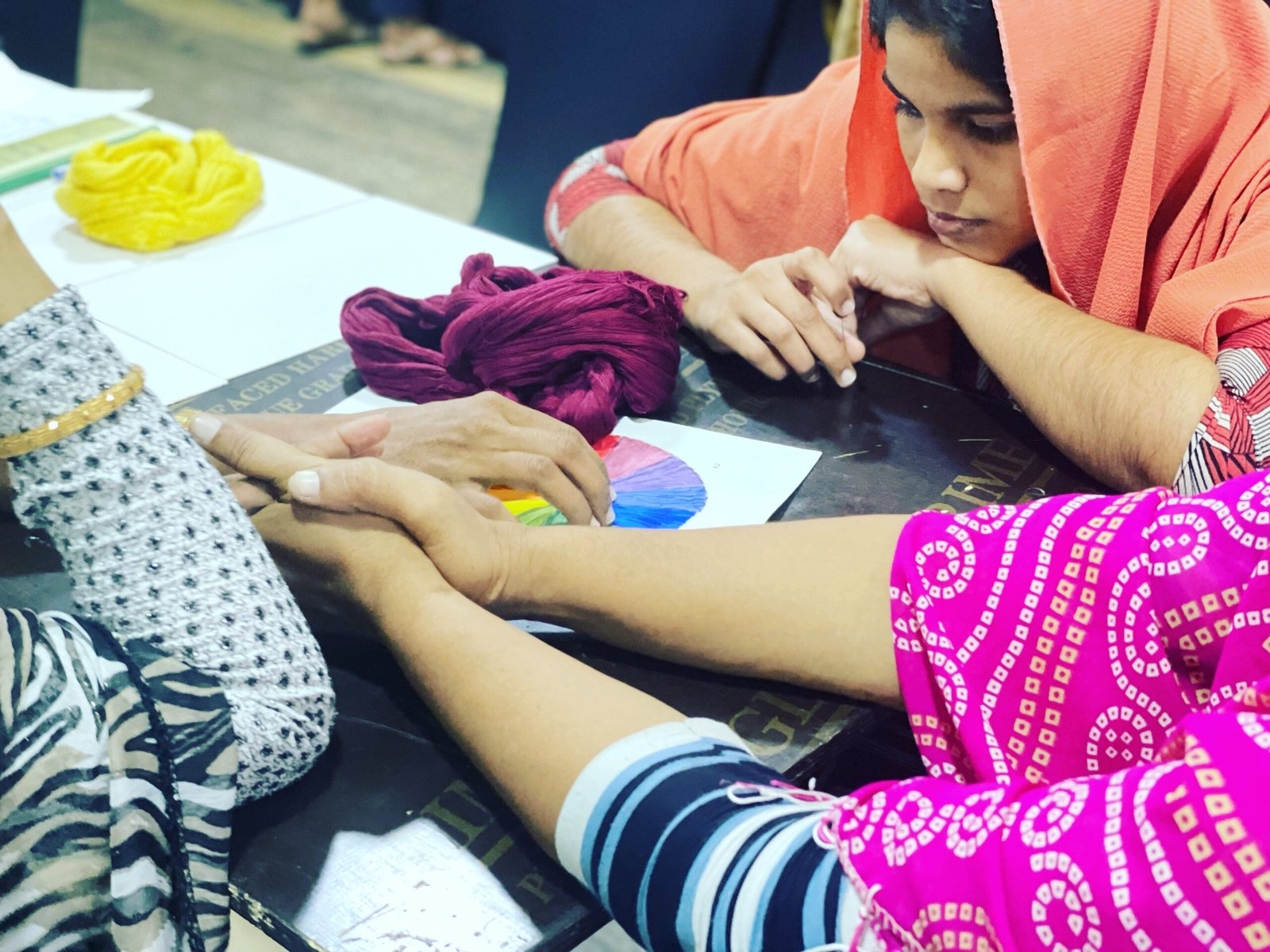
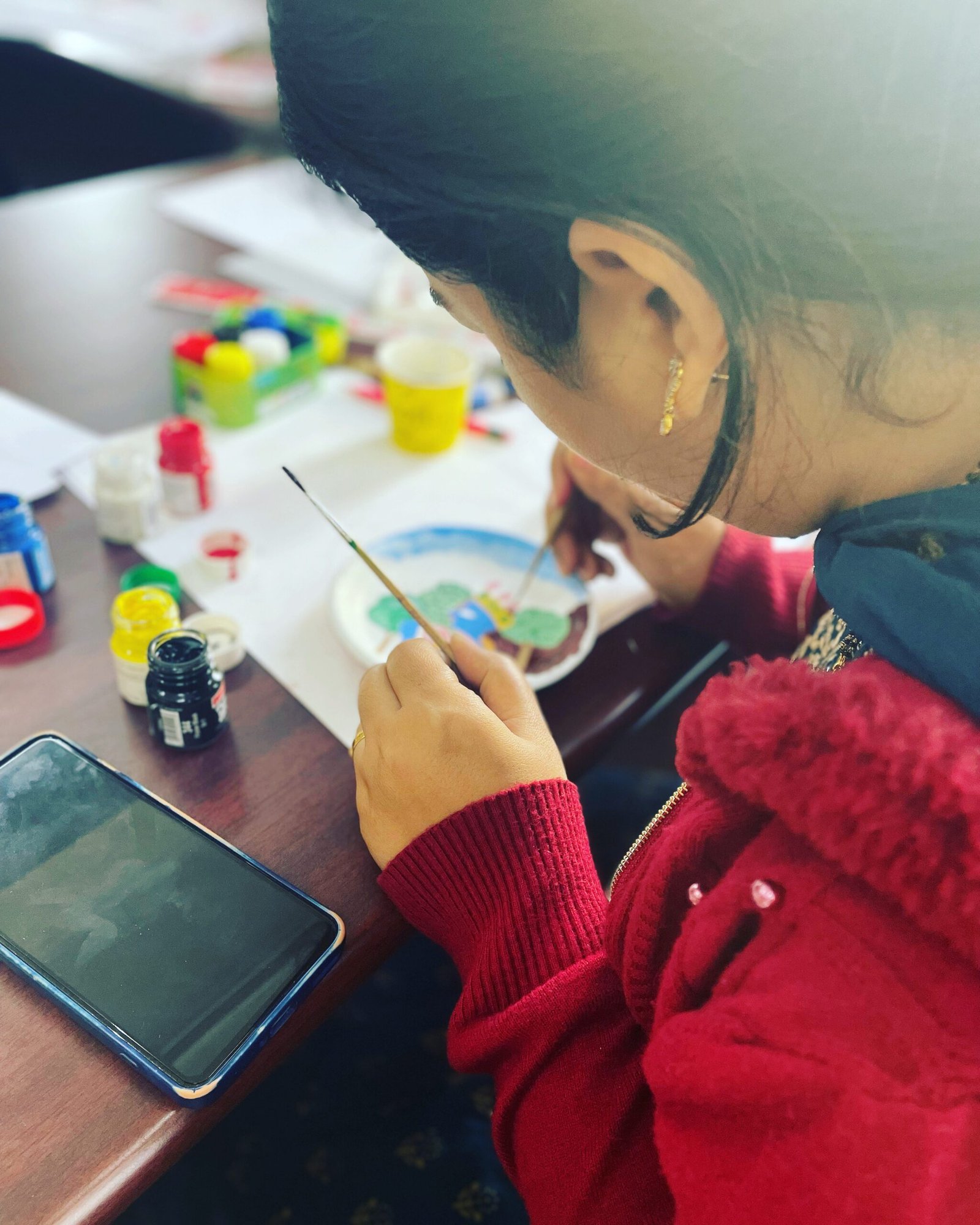
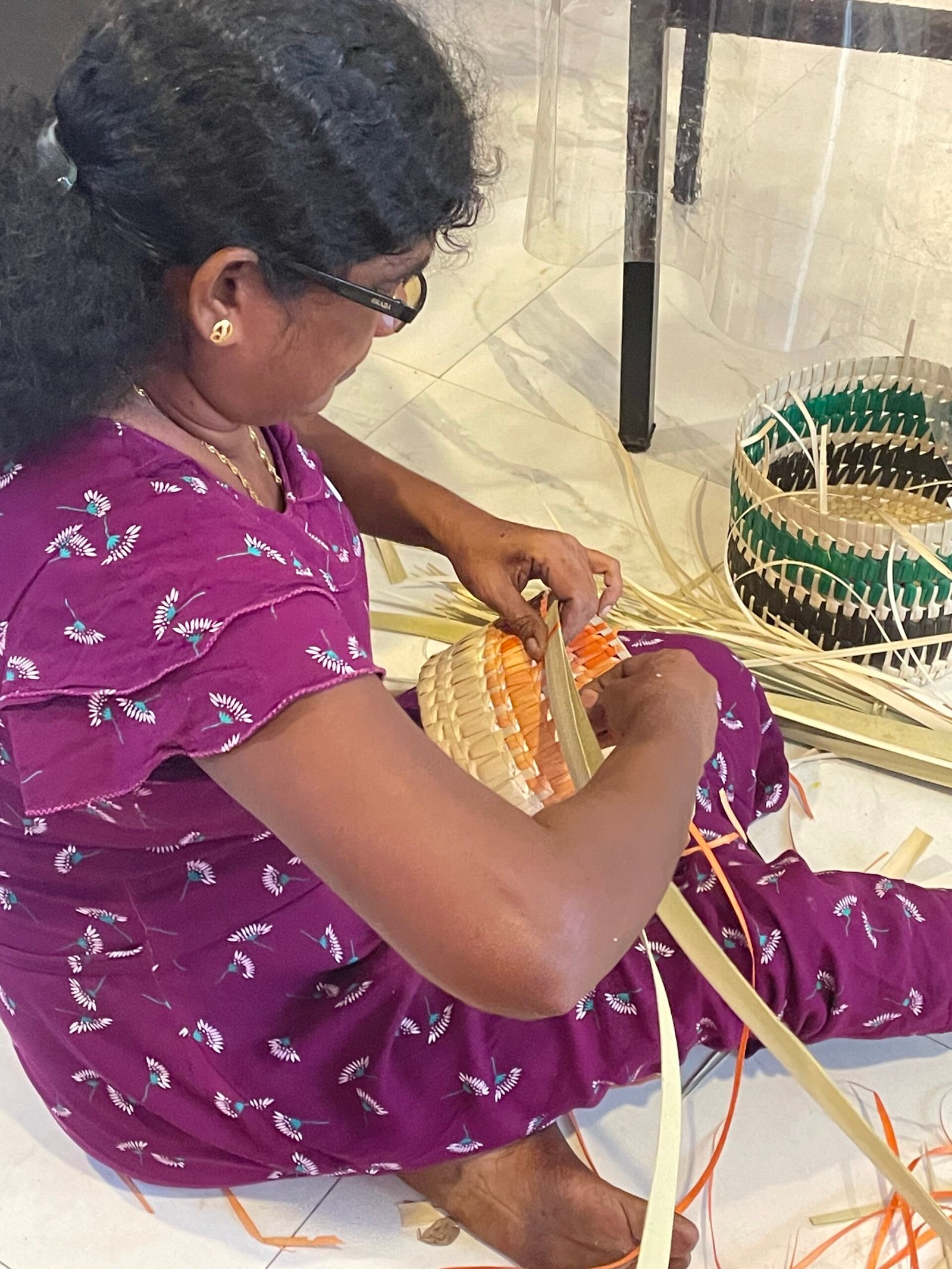
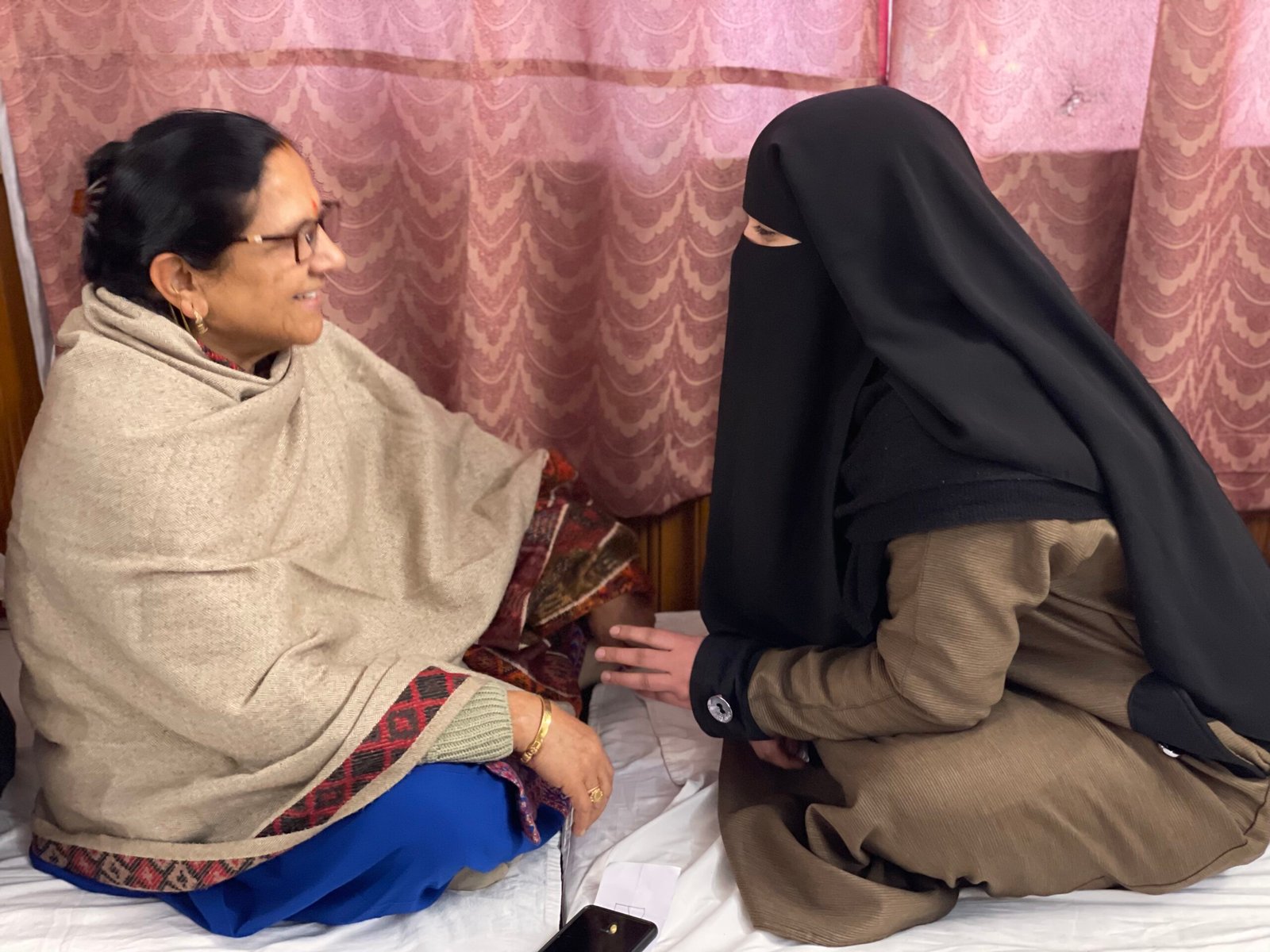
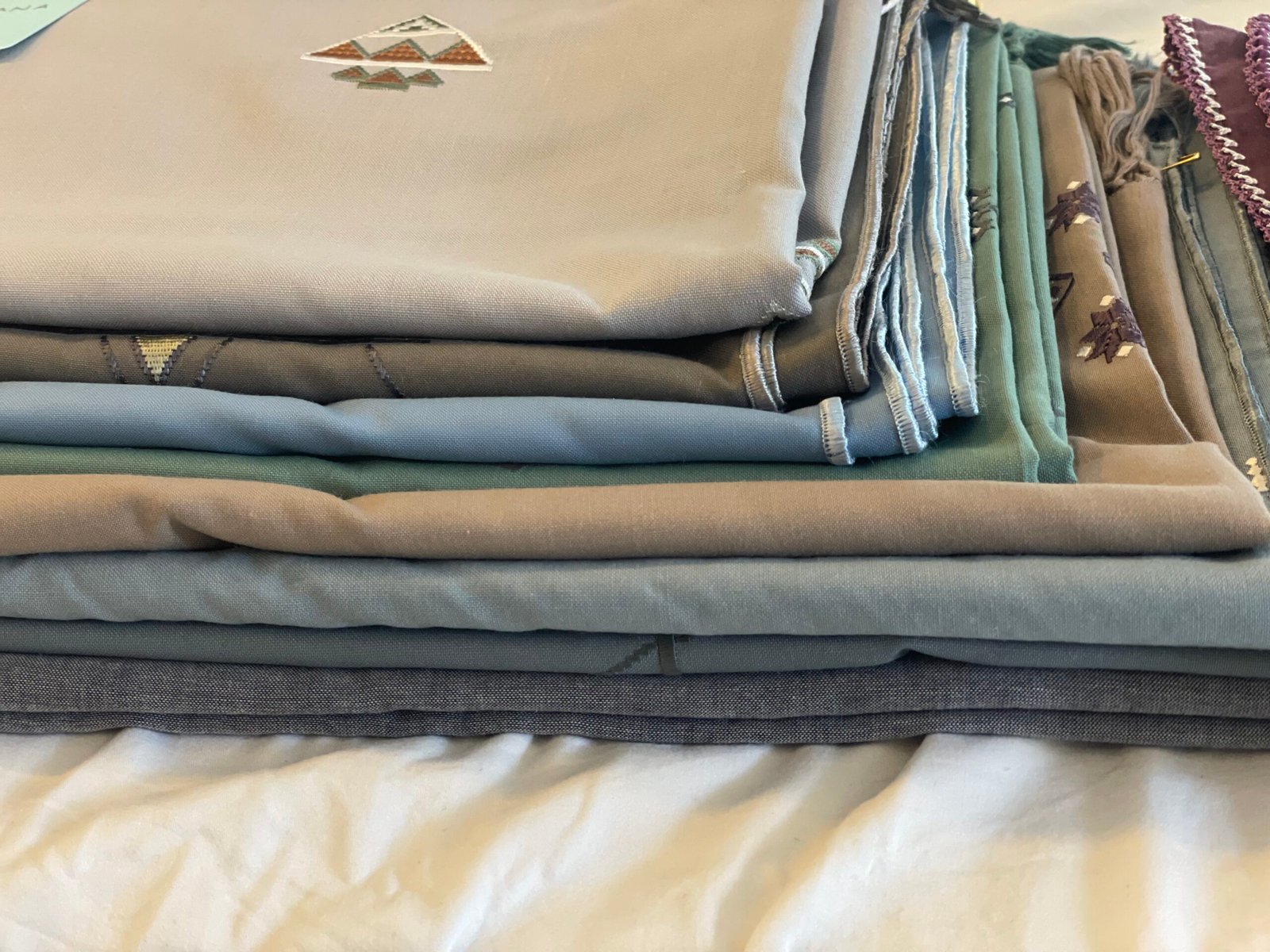
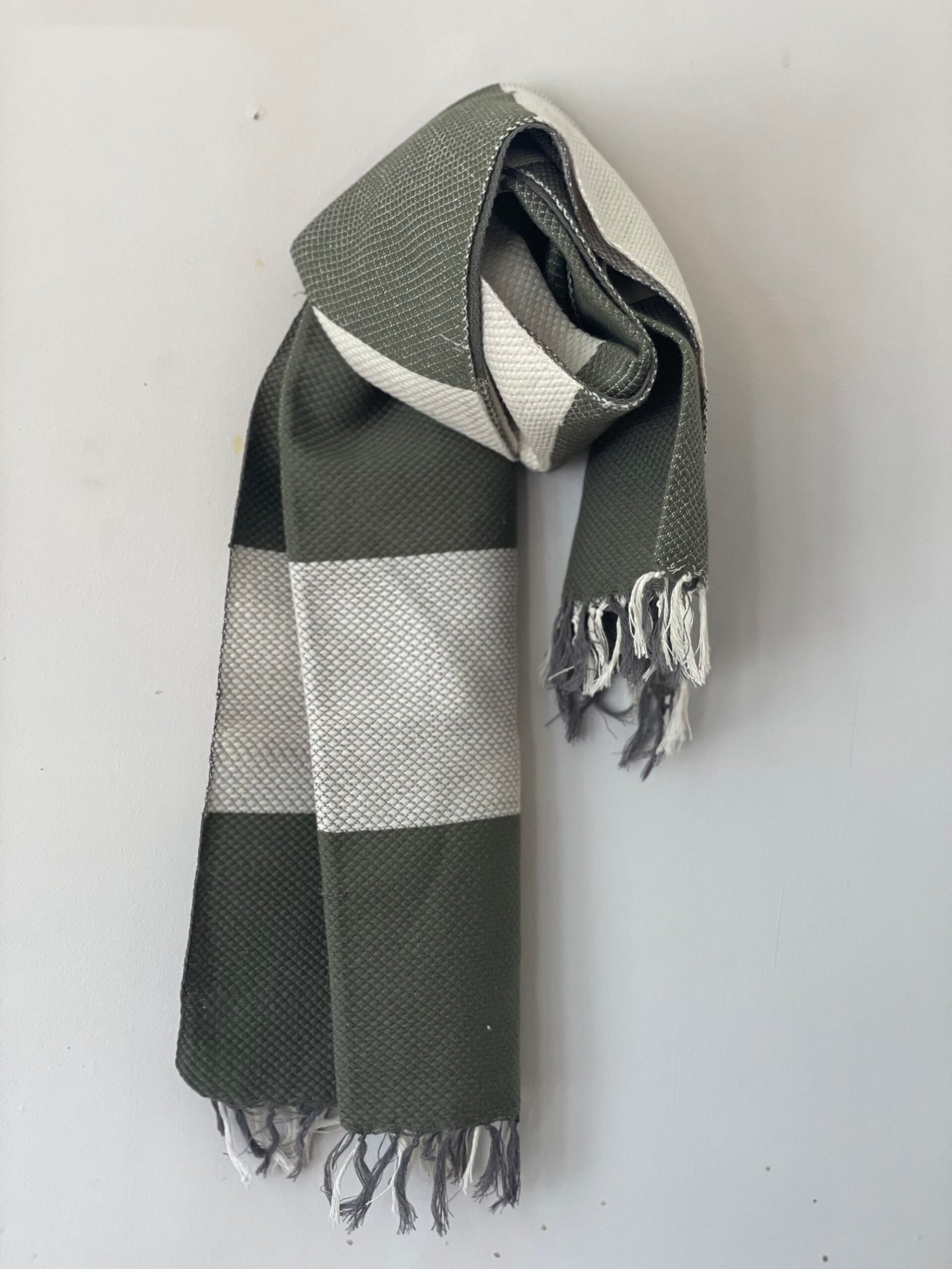
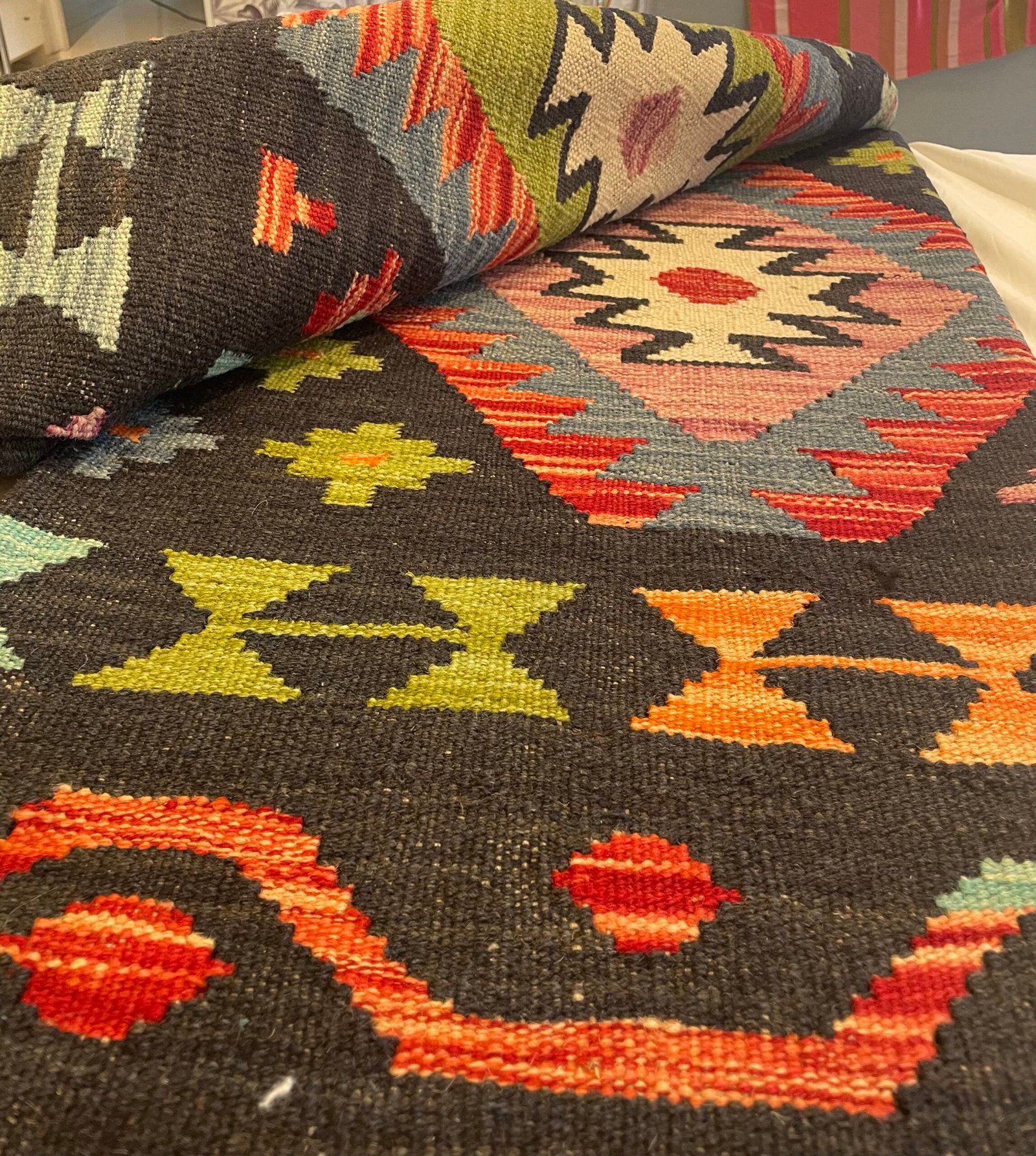
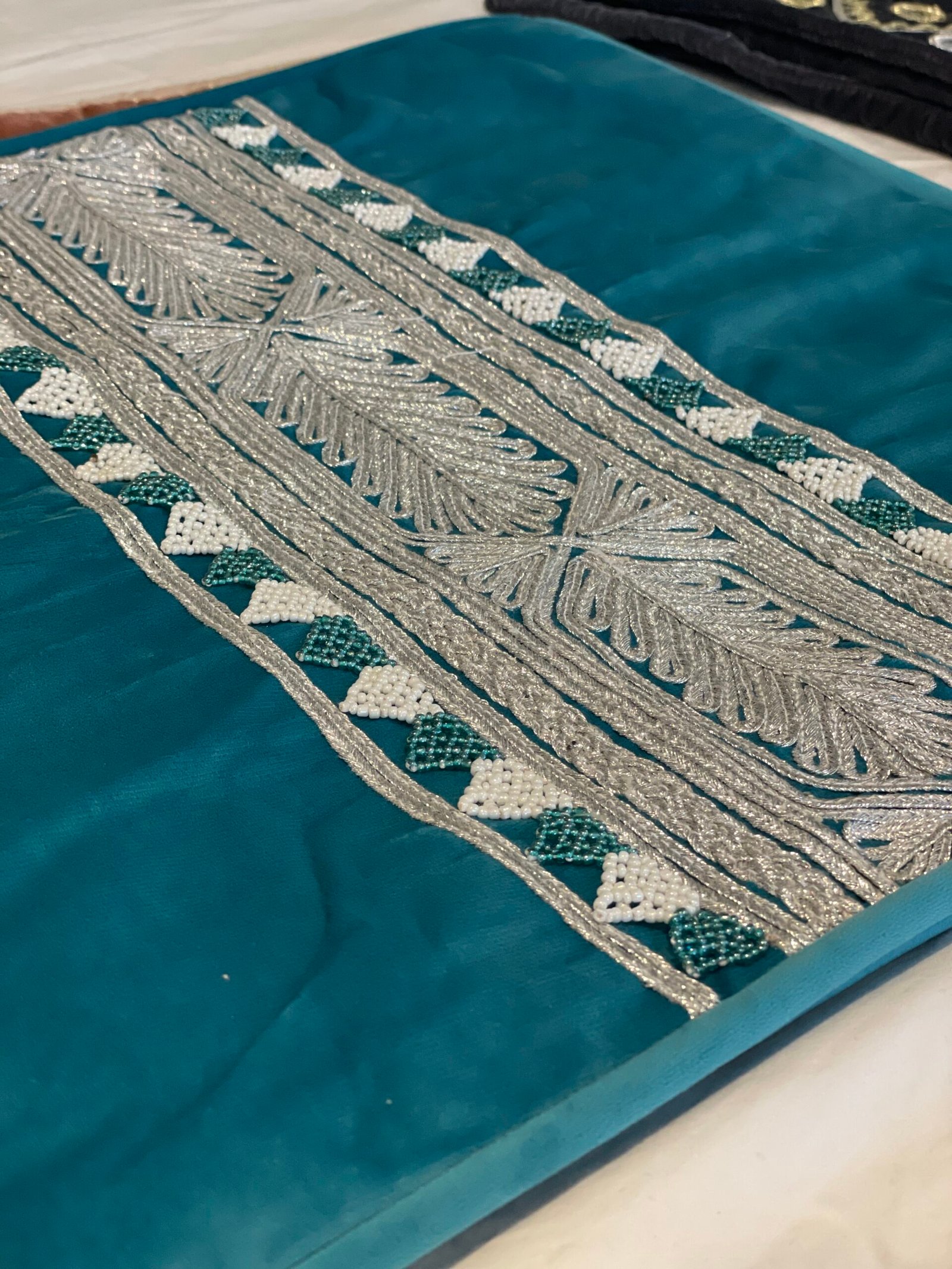
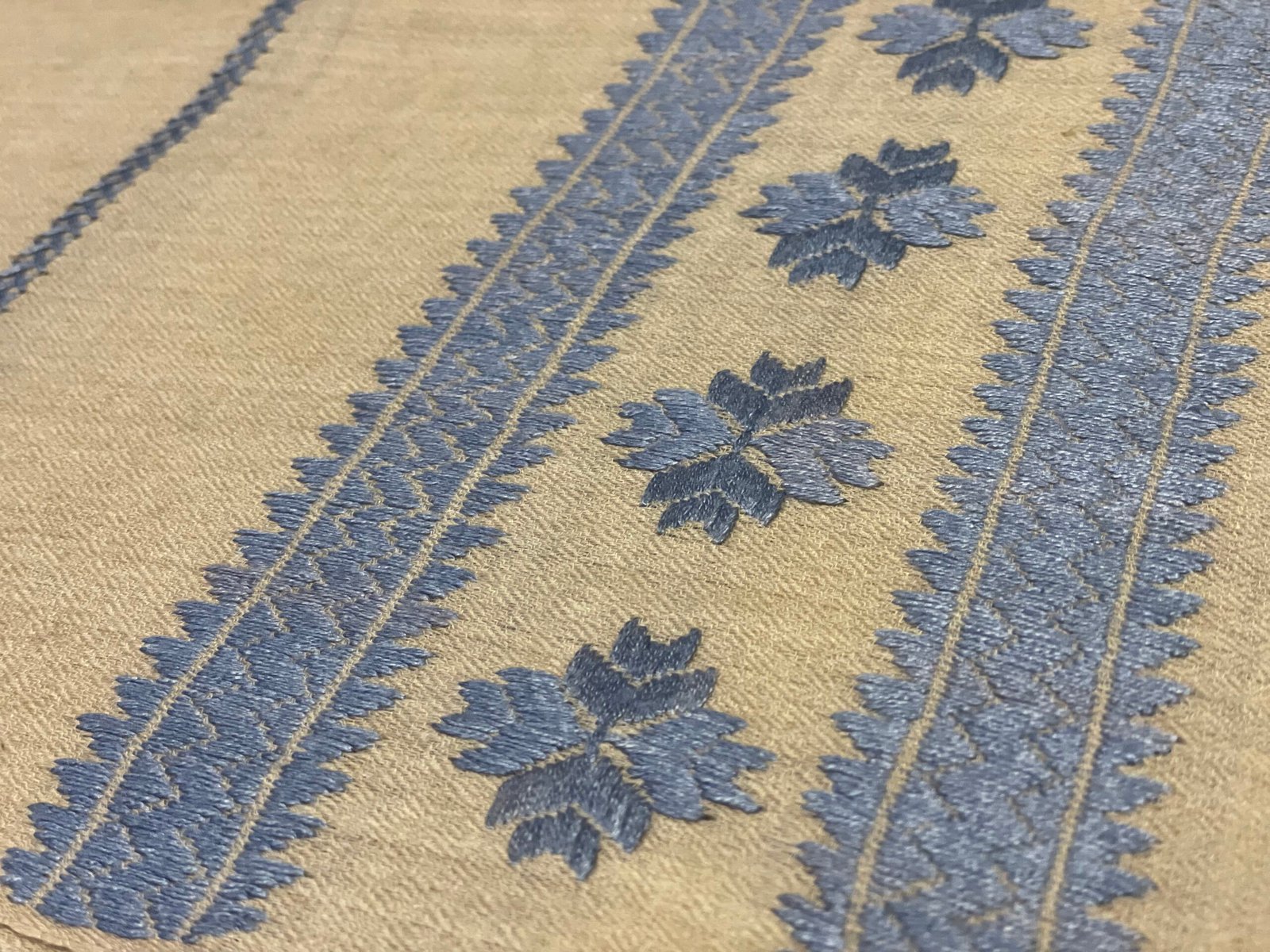
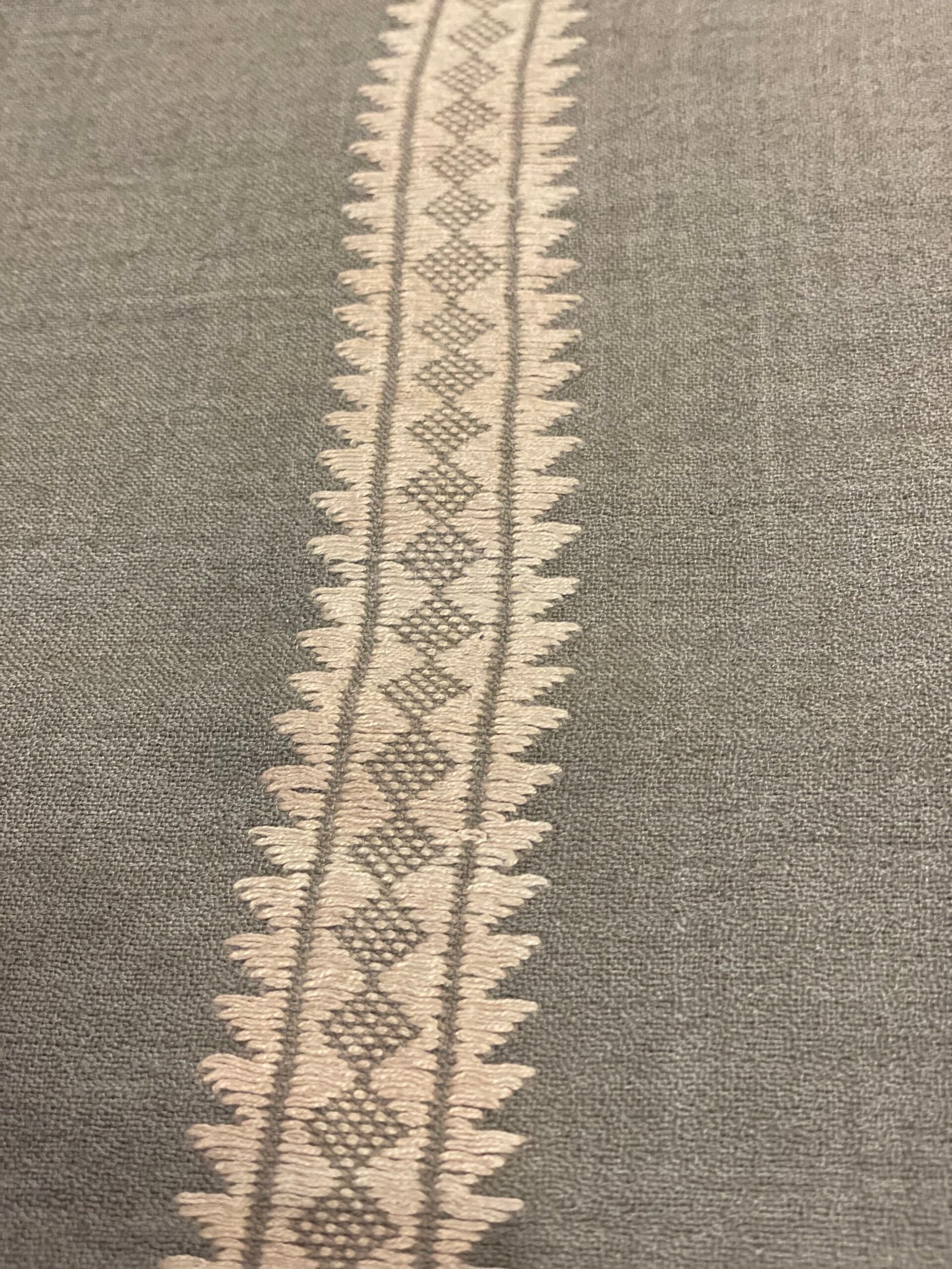
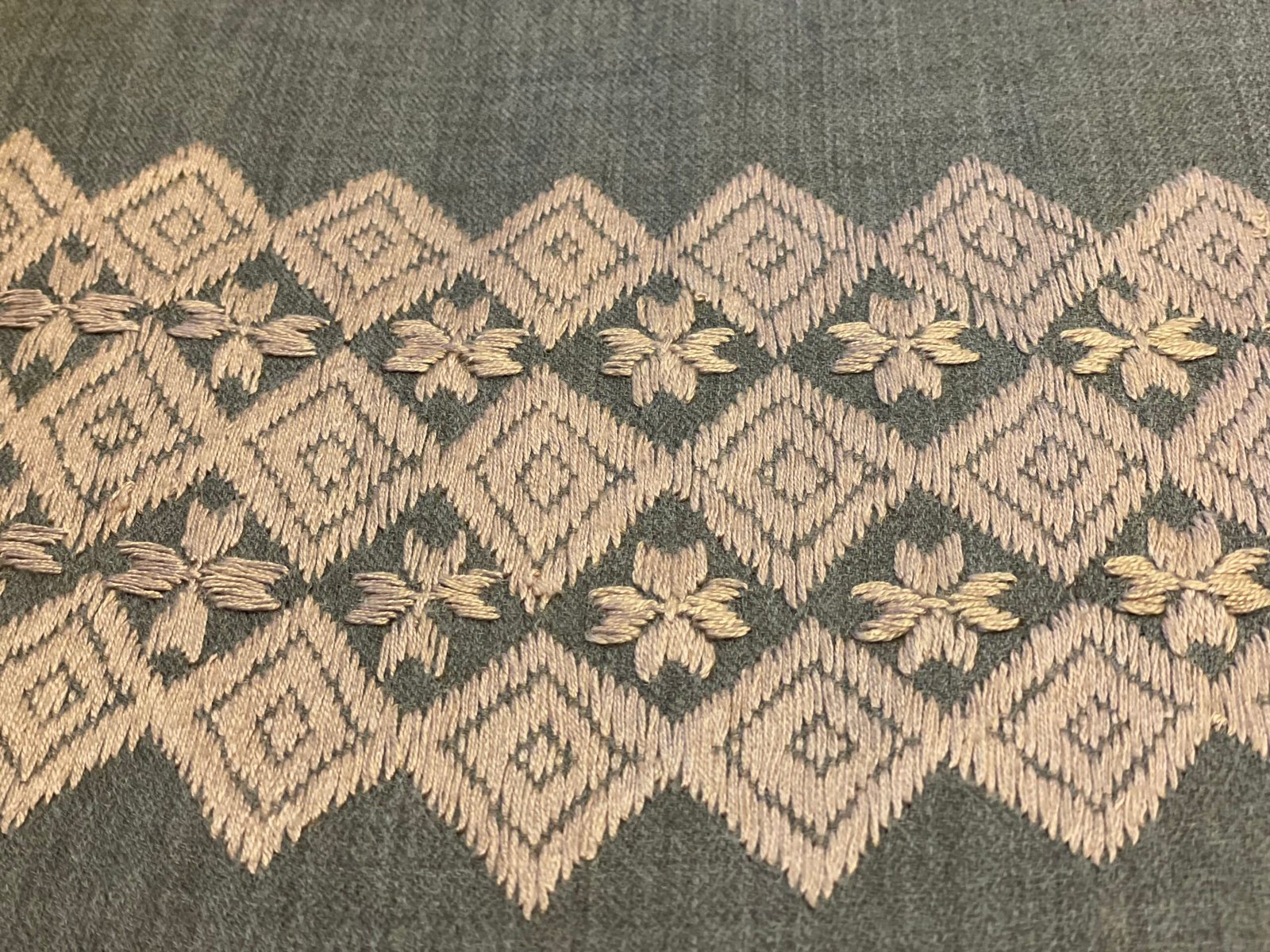
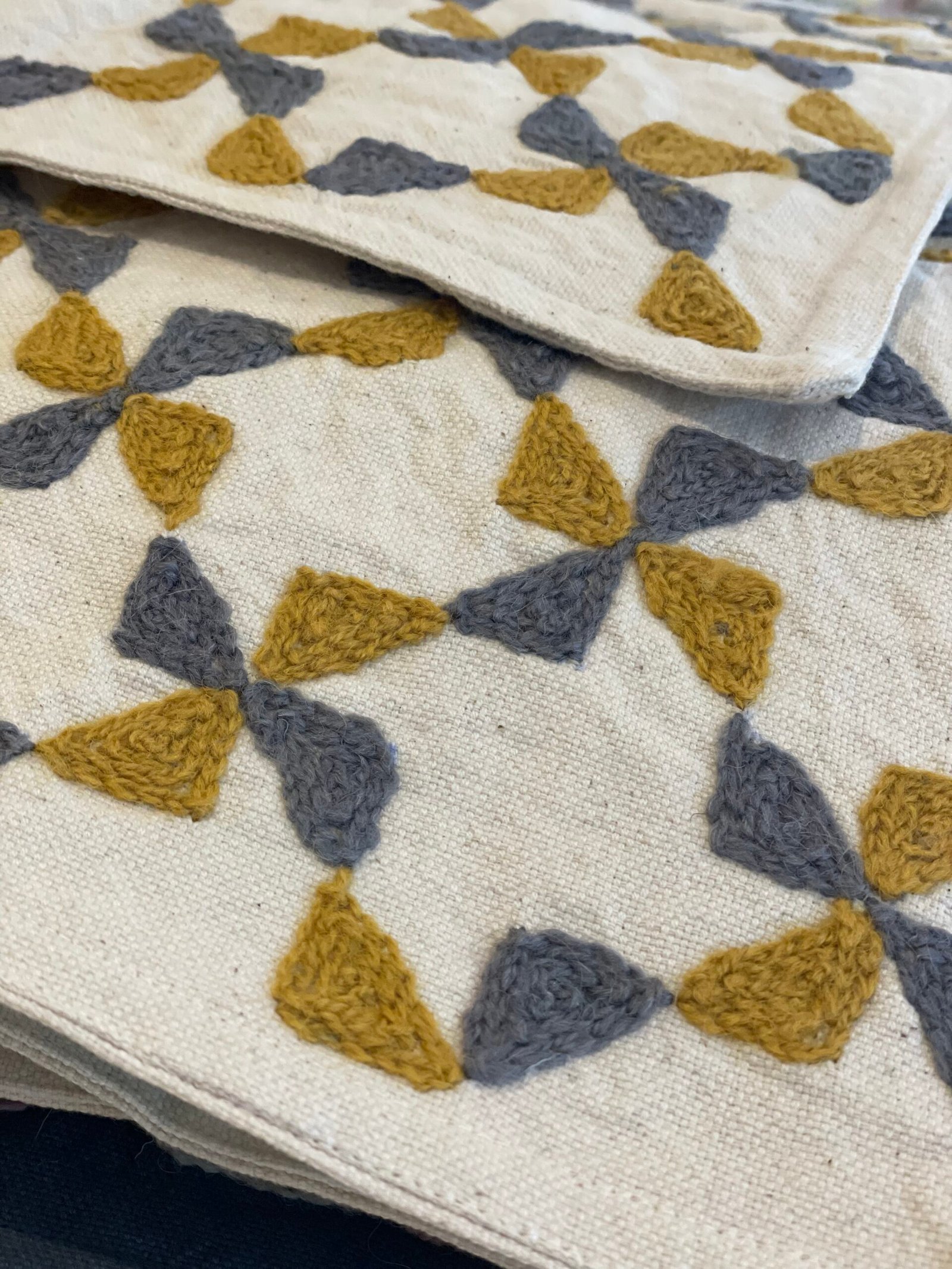
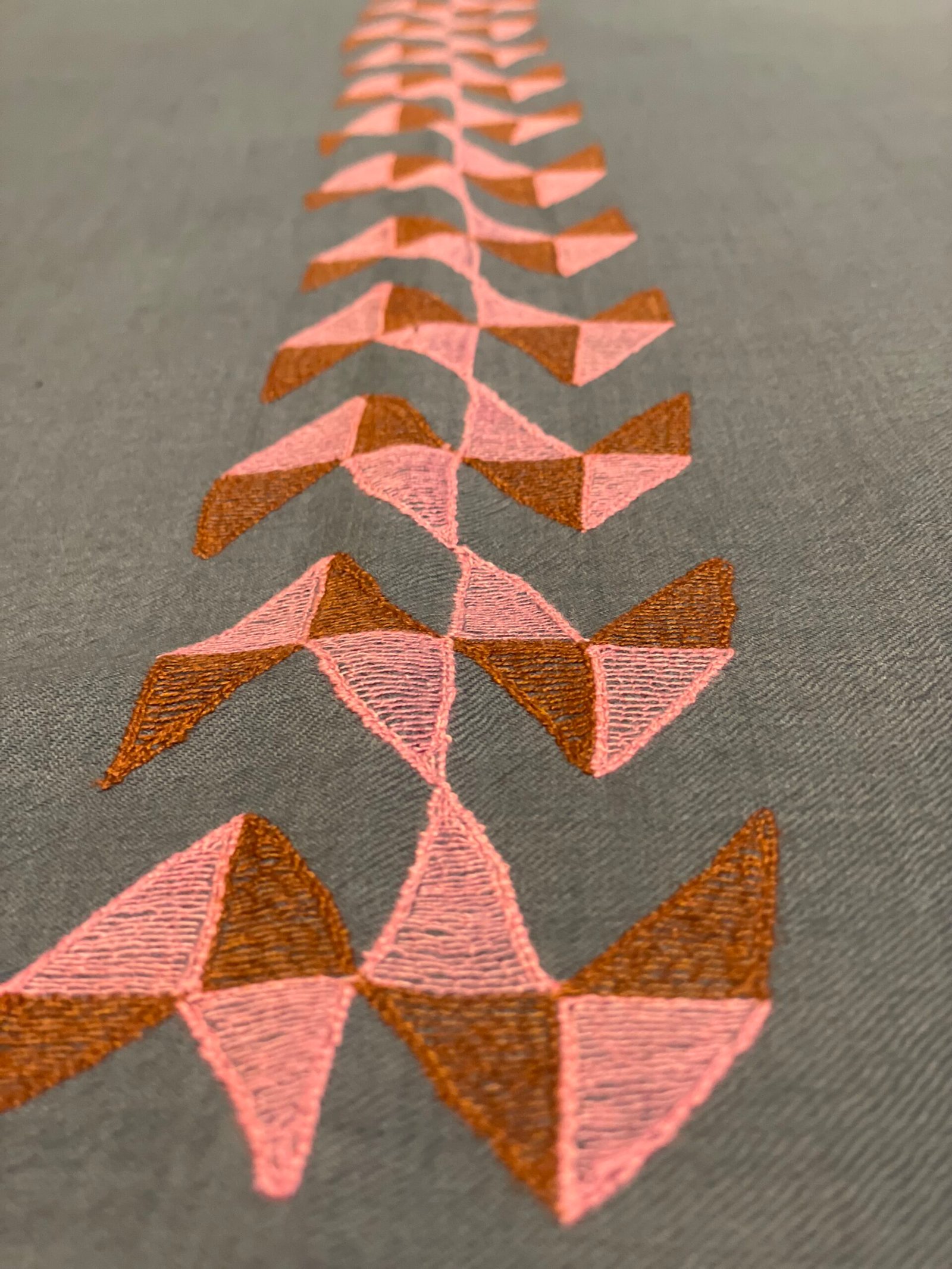
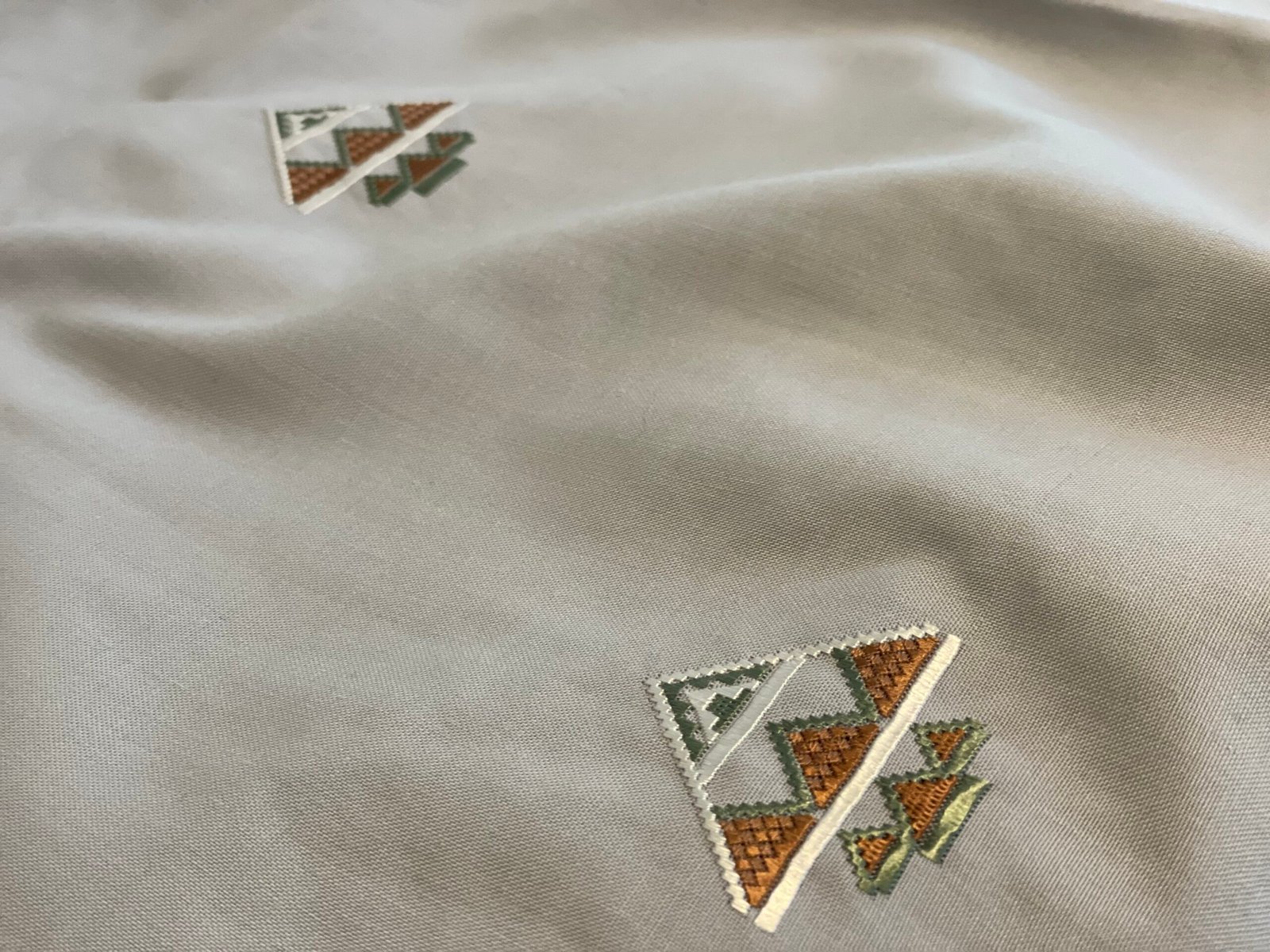
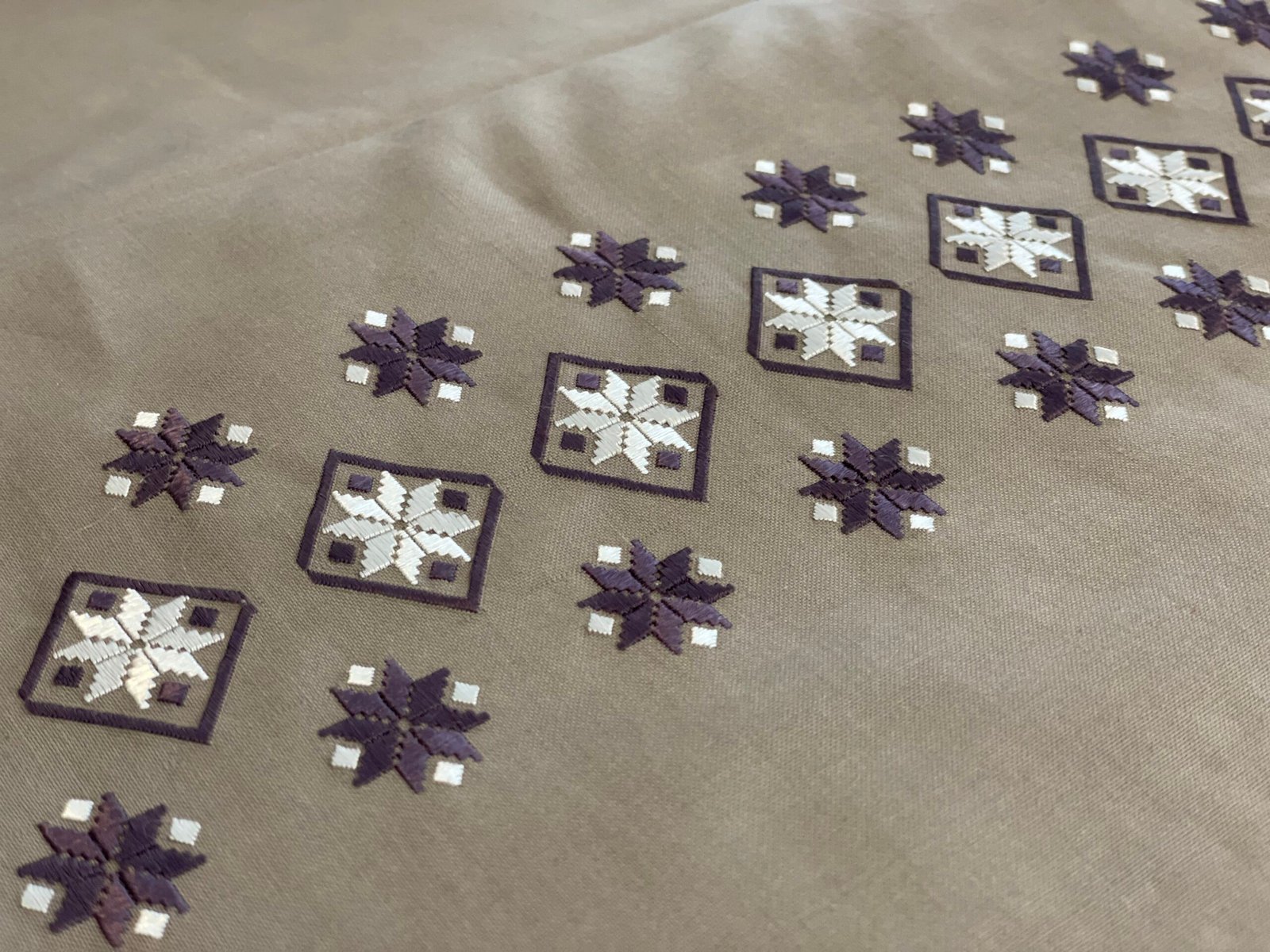
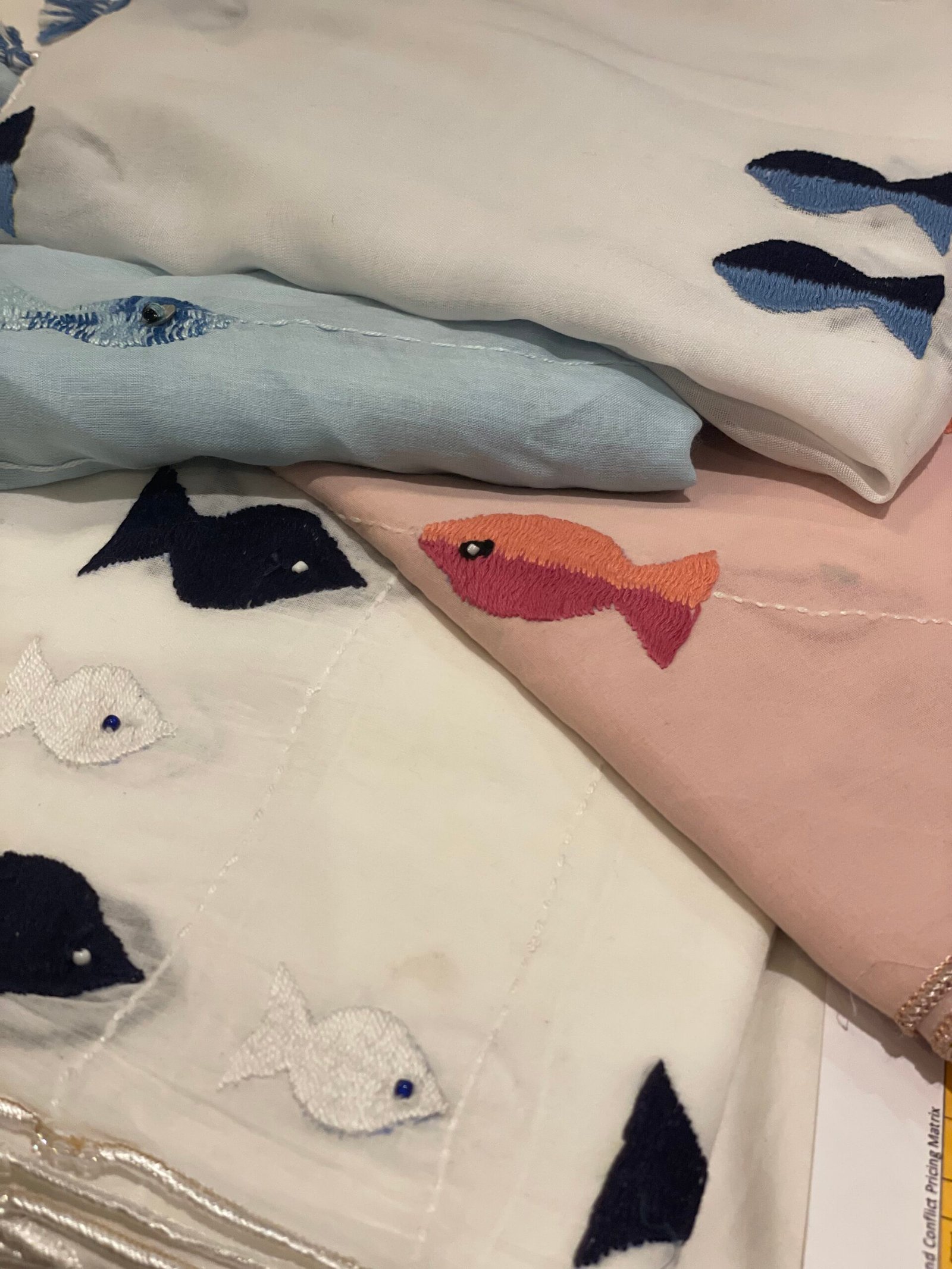
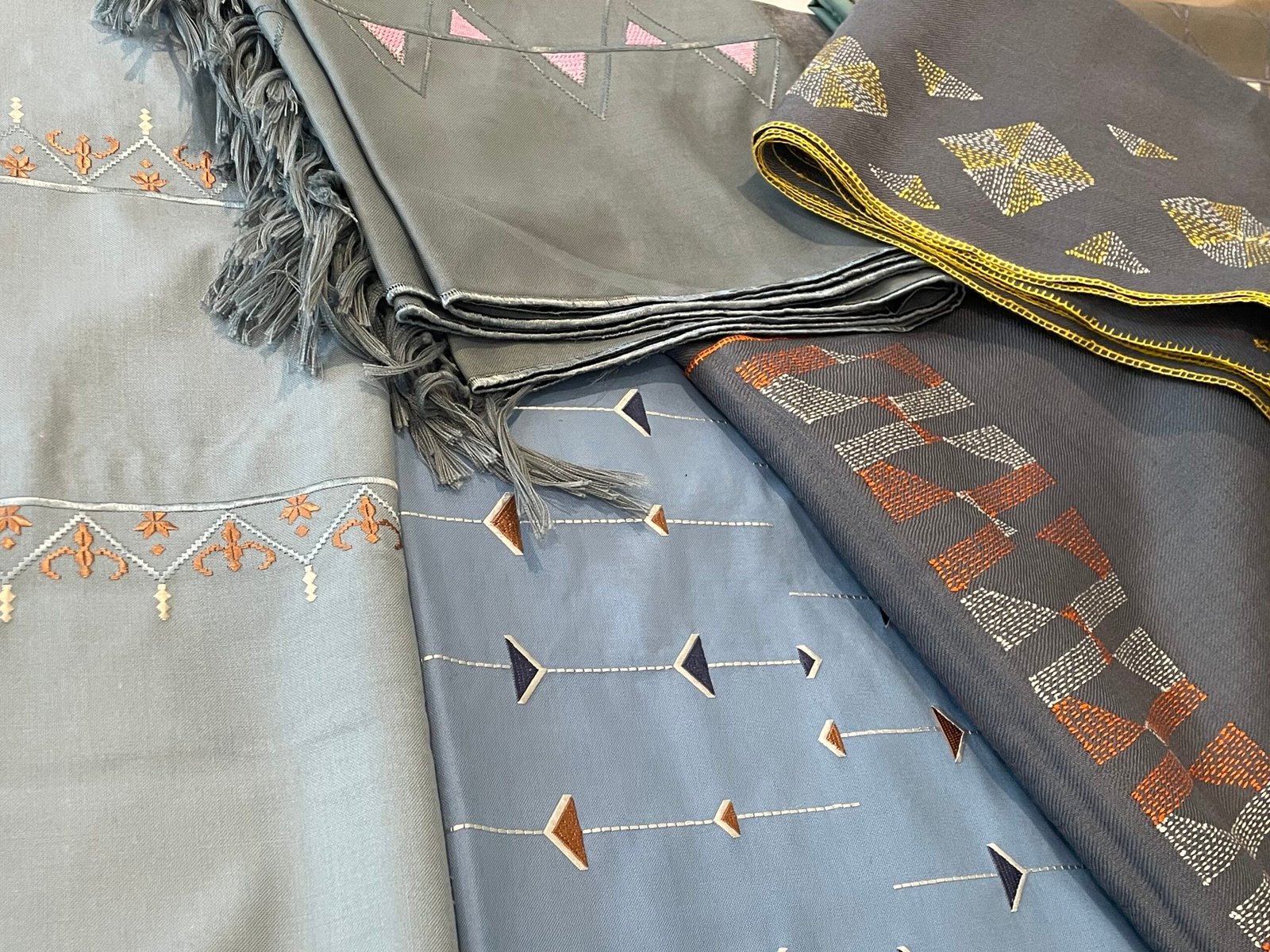
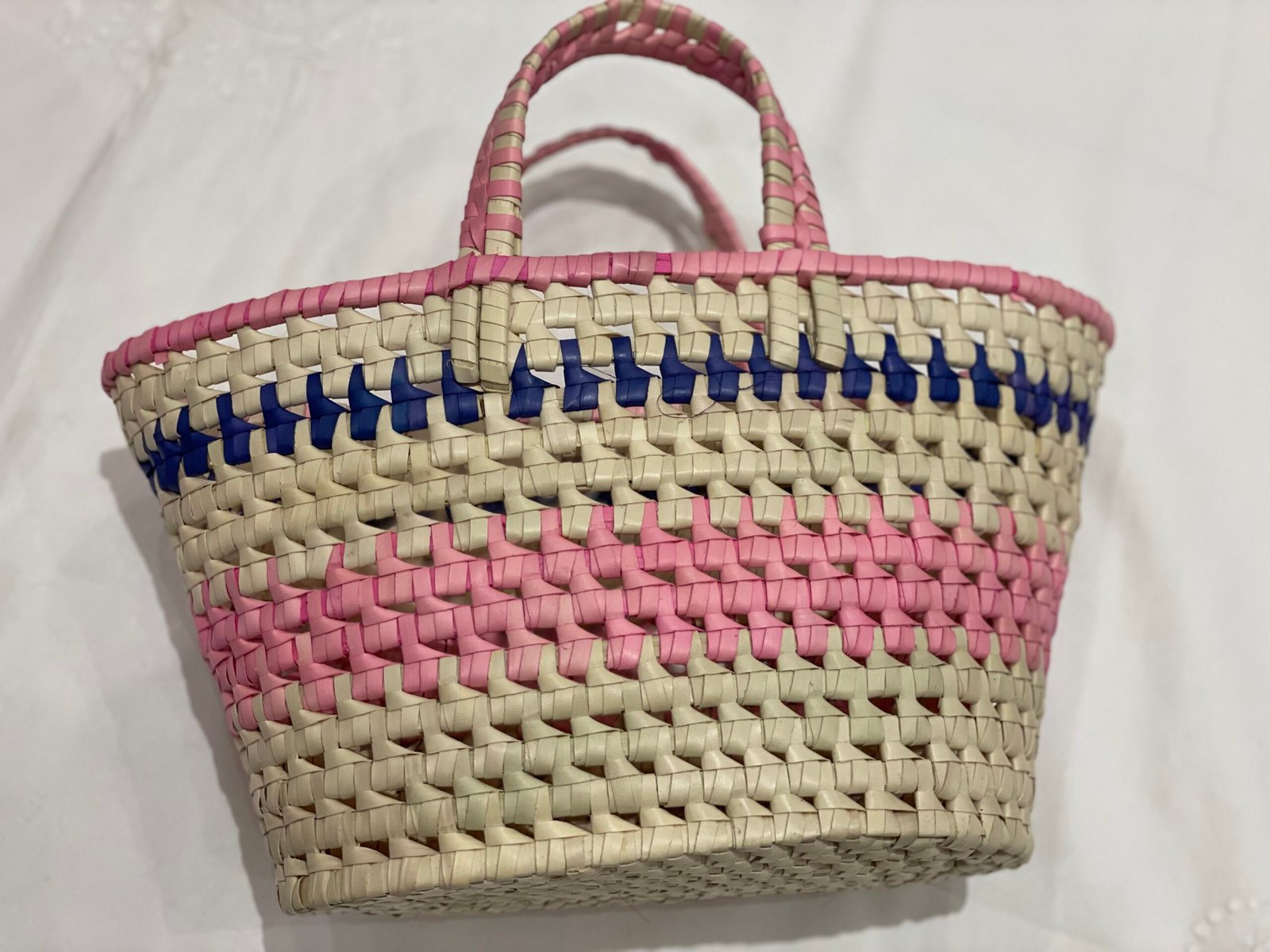
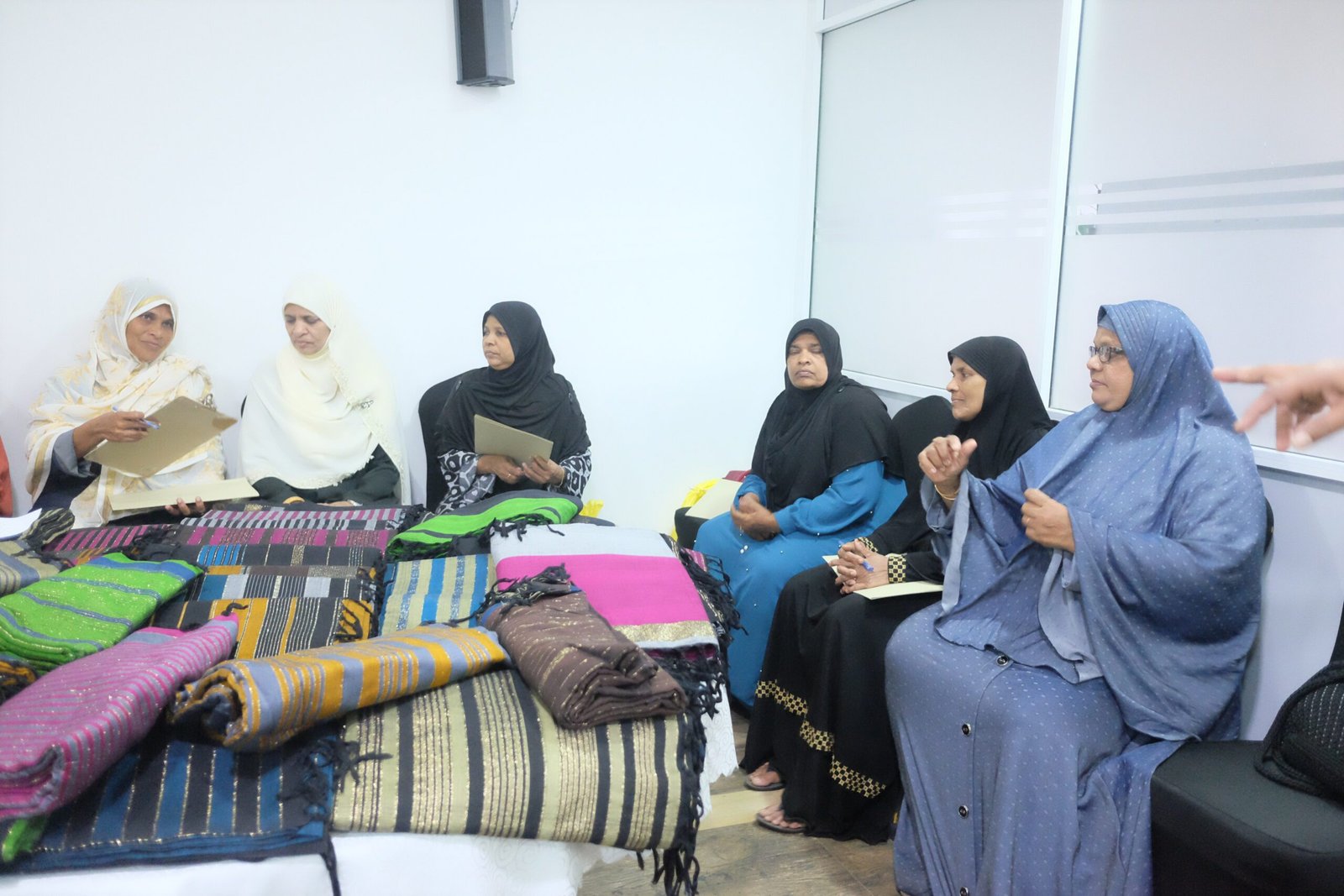
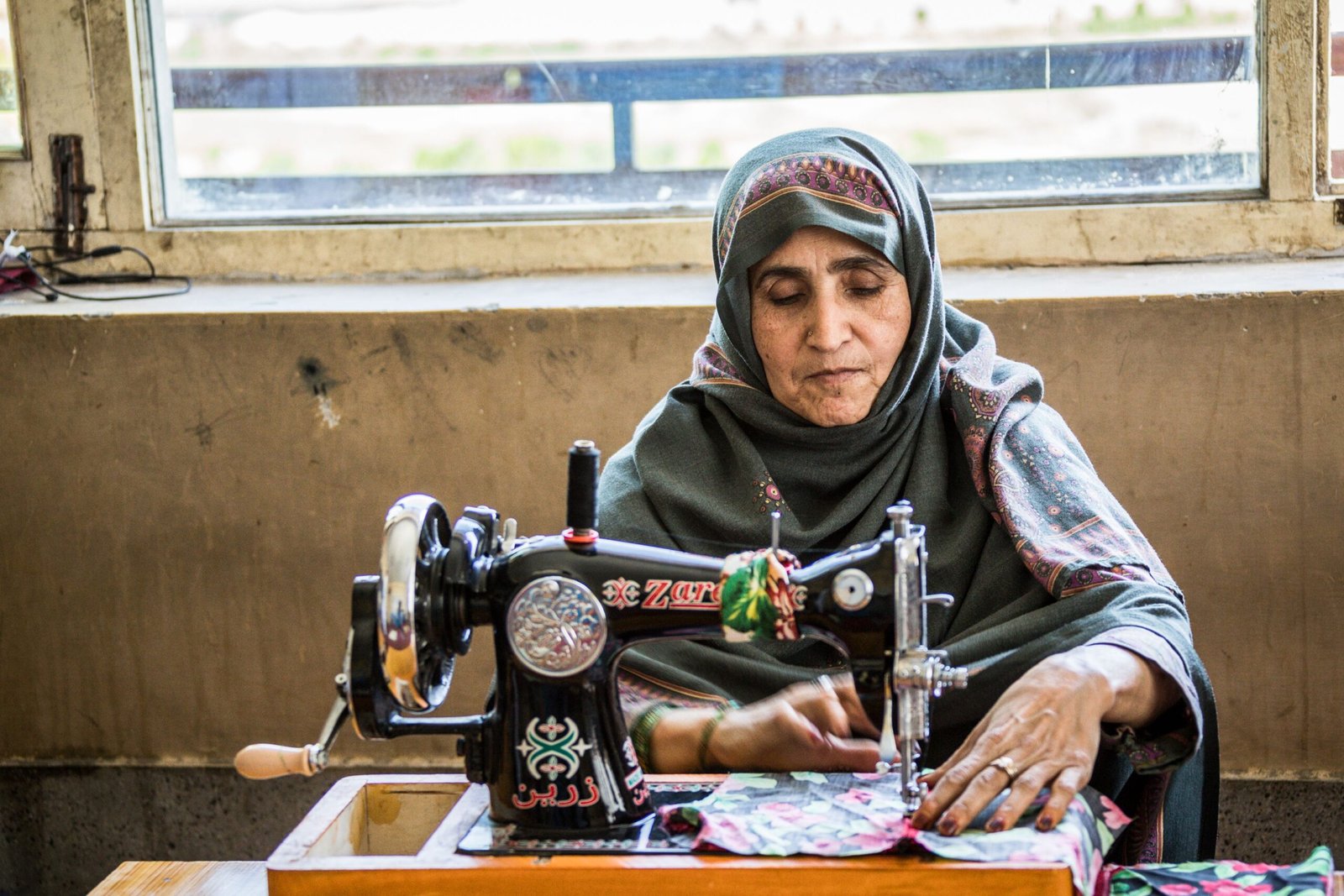
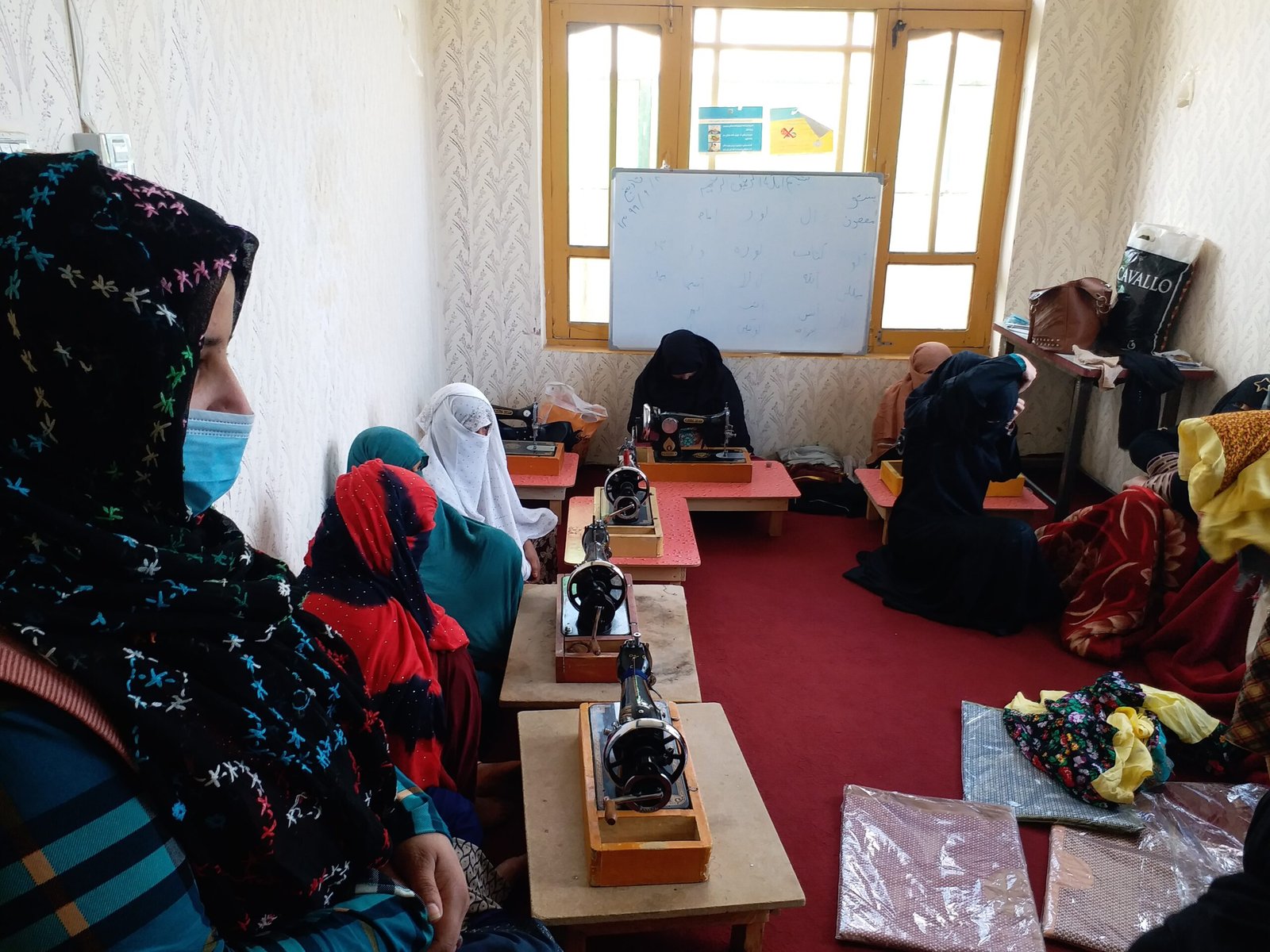
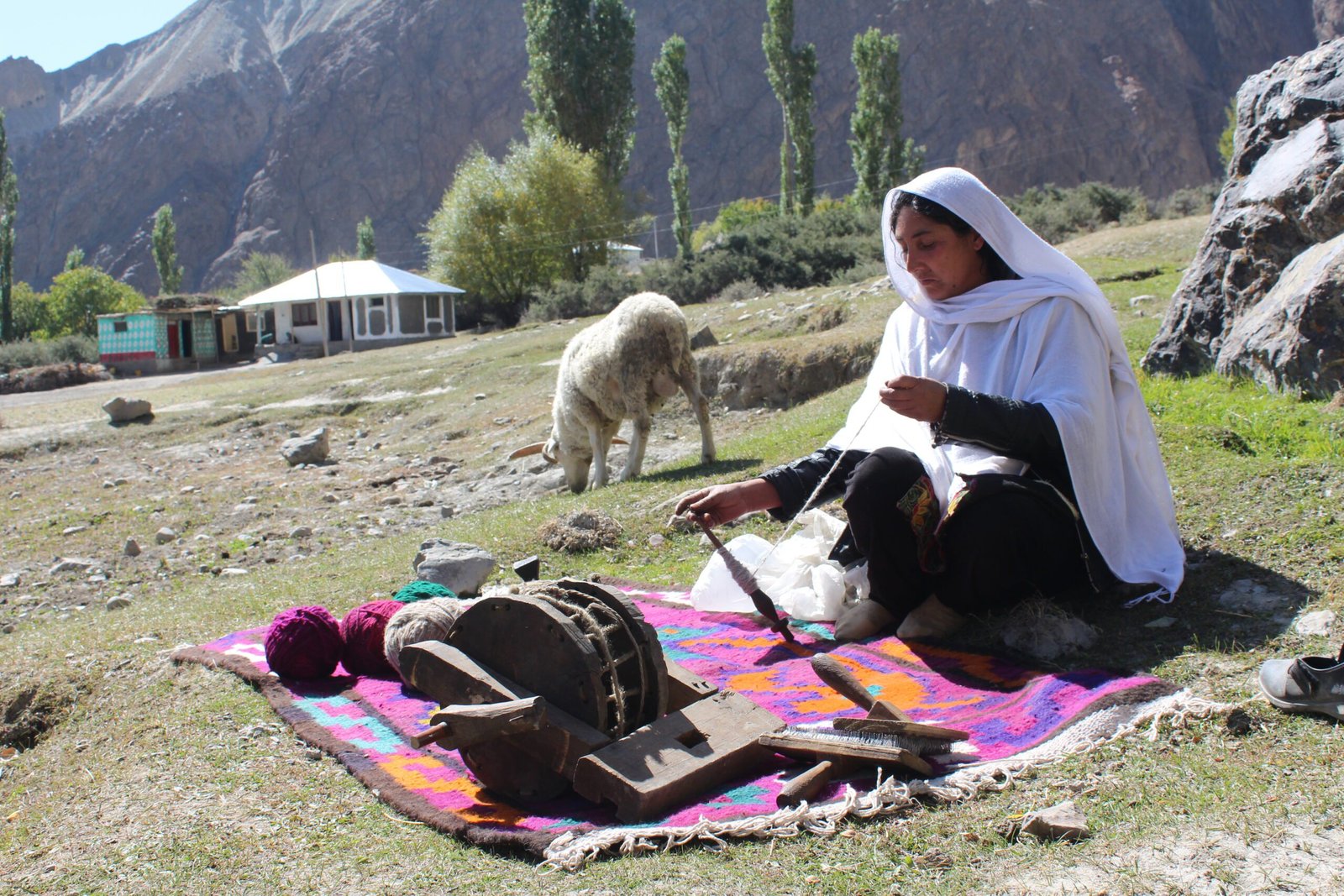
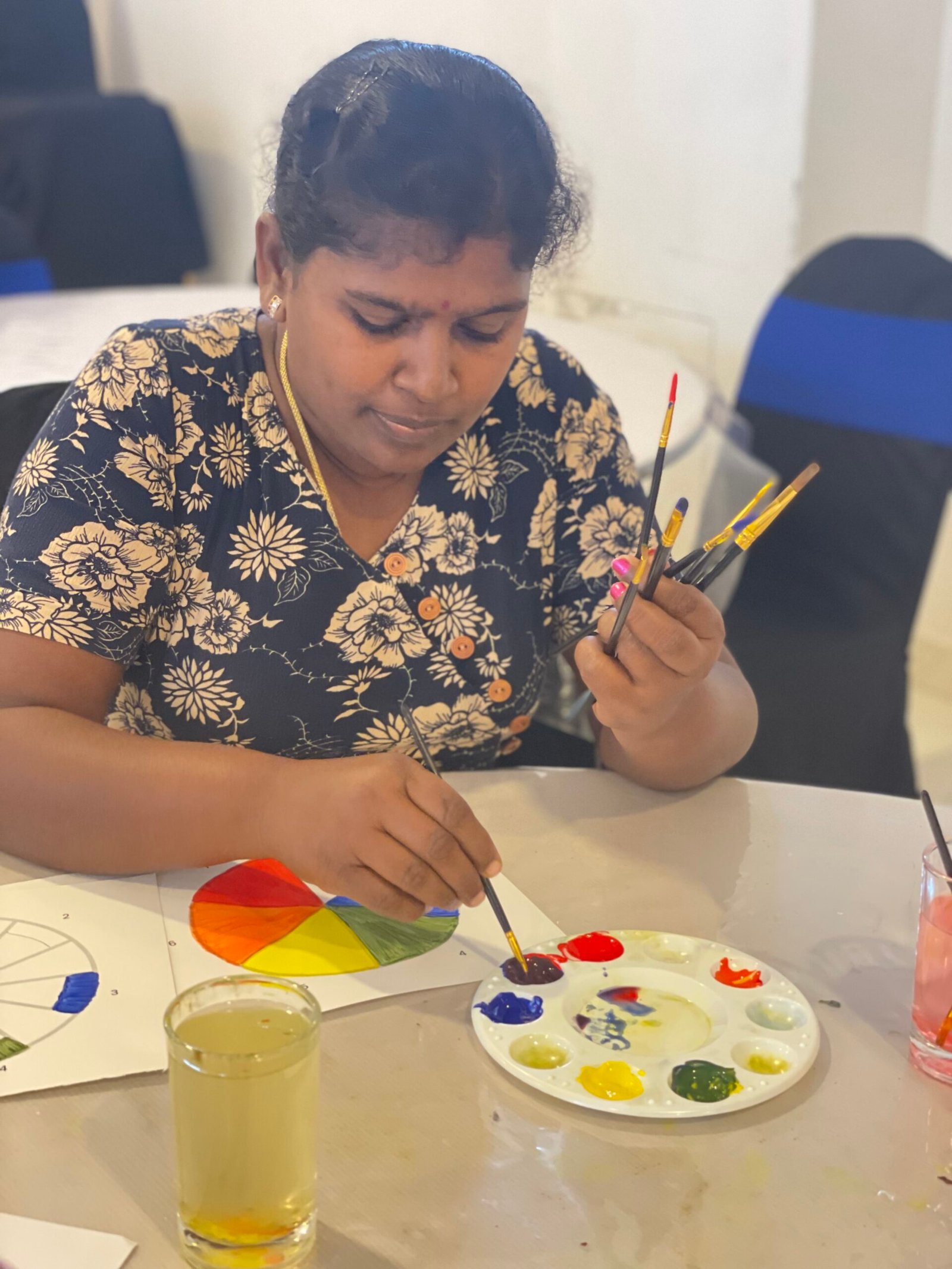
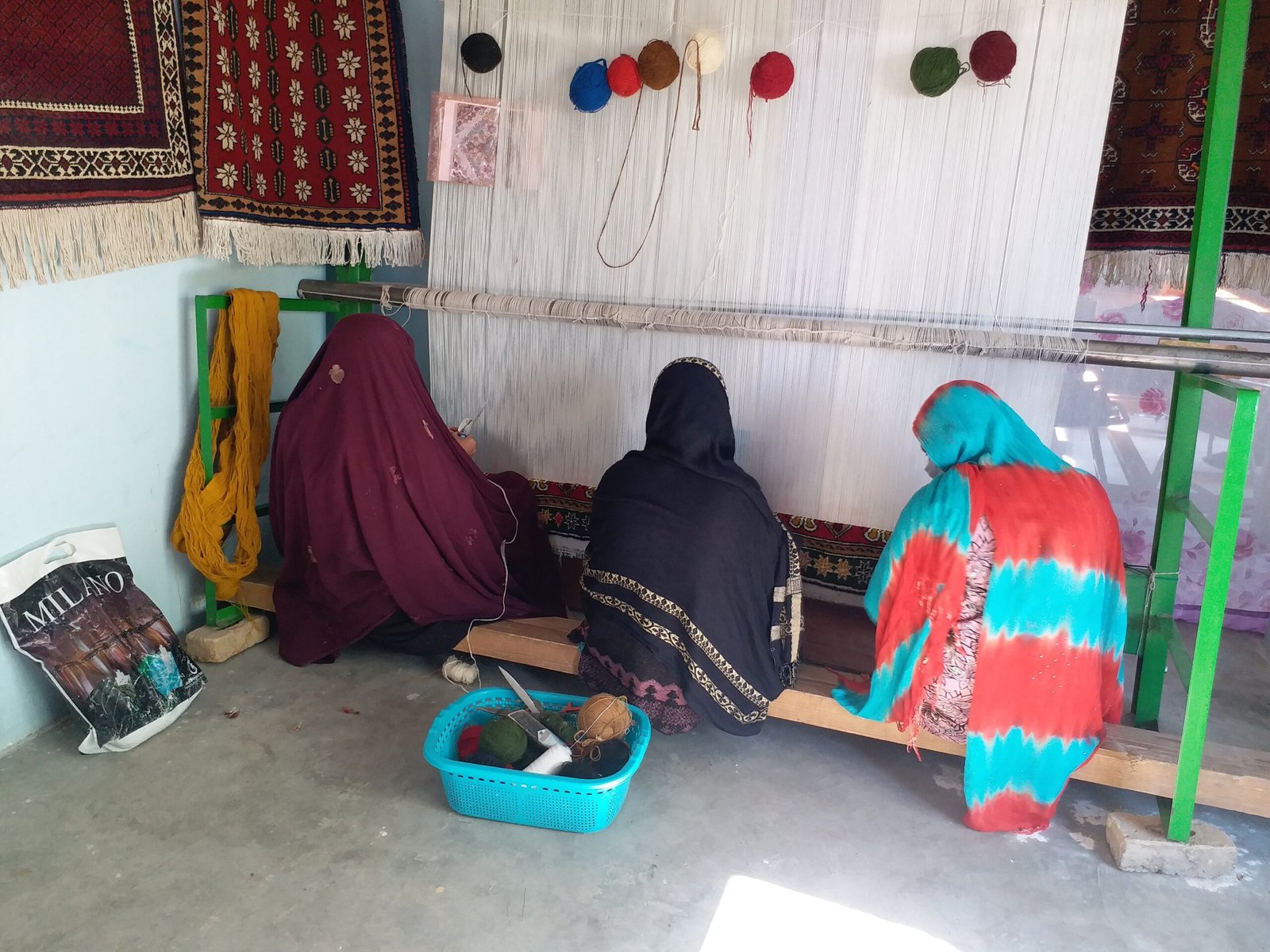
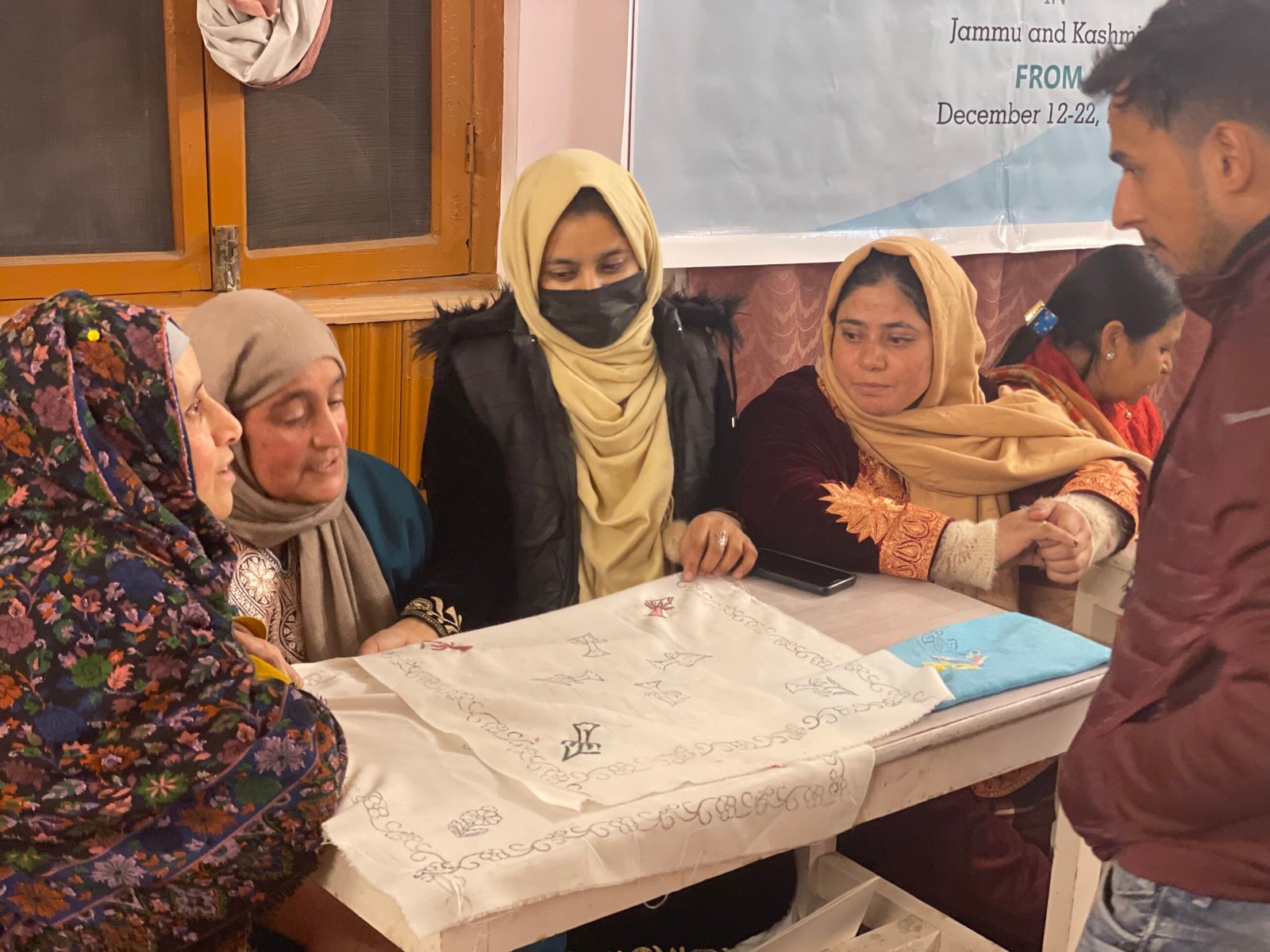
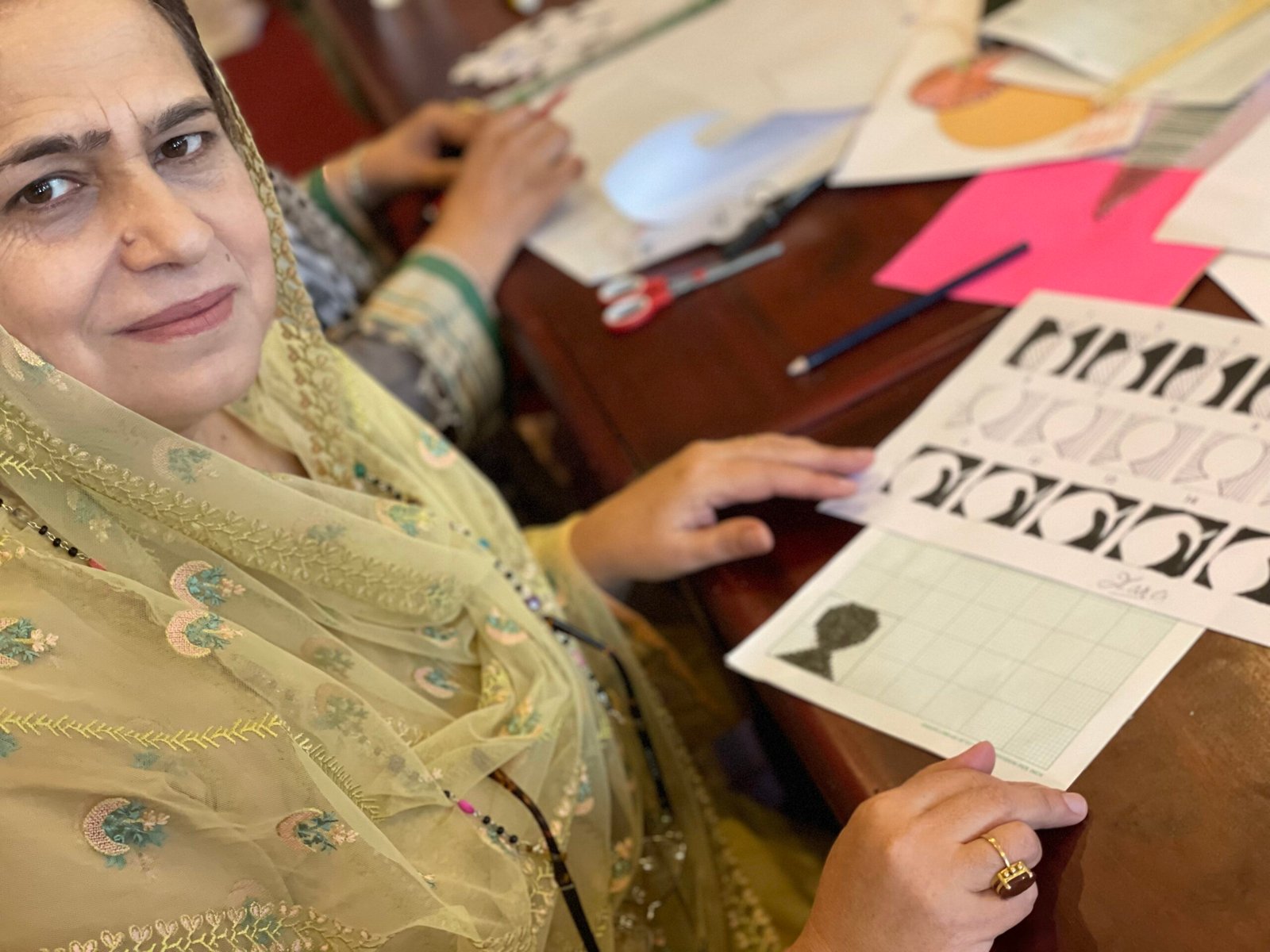
Through photography, colour theory training, pattern making and other craft making training sessions, the women expanded and developed cultural and economic skills in craft. During the process, the women engaged in conversations about issues of identity and how intersectionality influences the everyday. They spoke about their culture, peace and conflict with singing, myth and legend story exchange. Love and romance are part of the dialogue while the women work on their textiles. Slightly tougher discussions about community relationships and everyday discrimination were also documented.
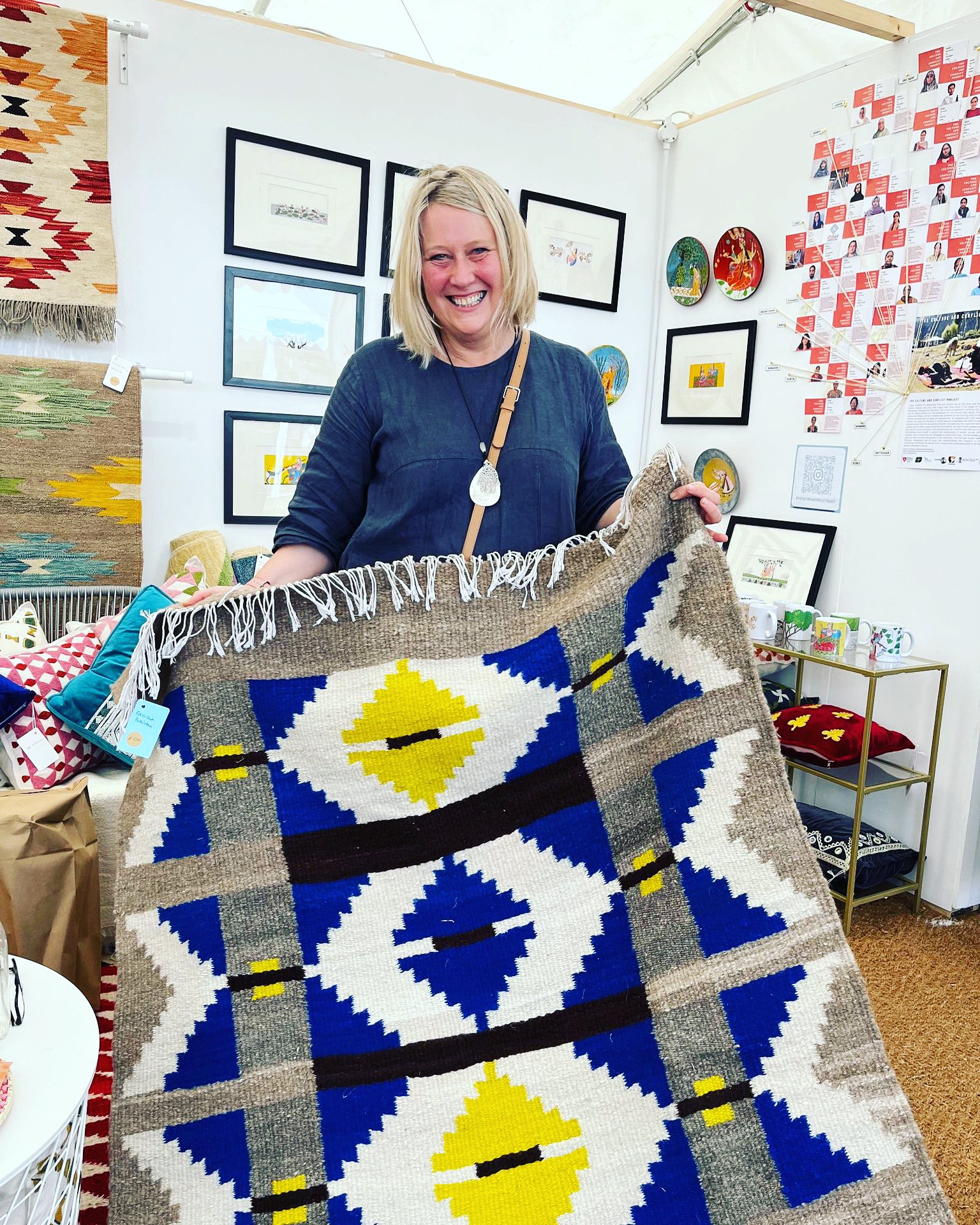
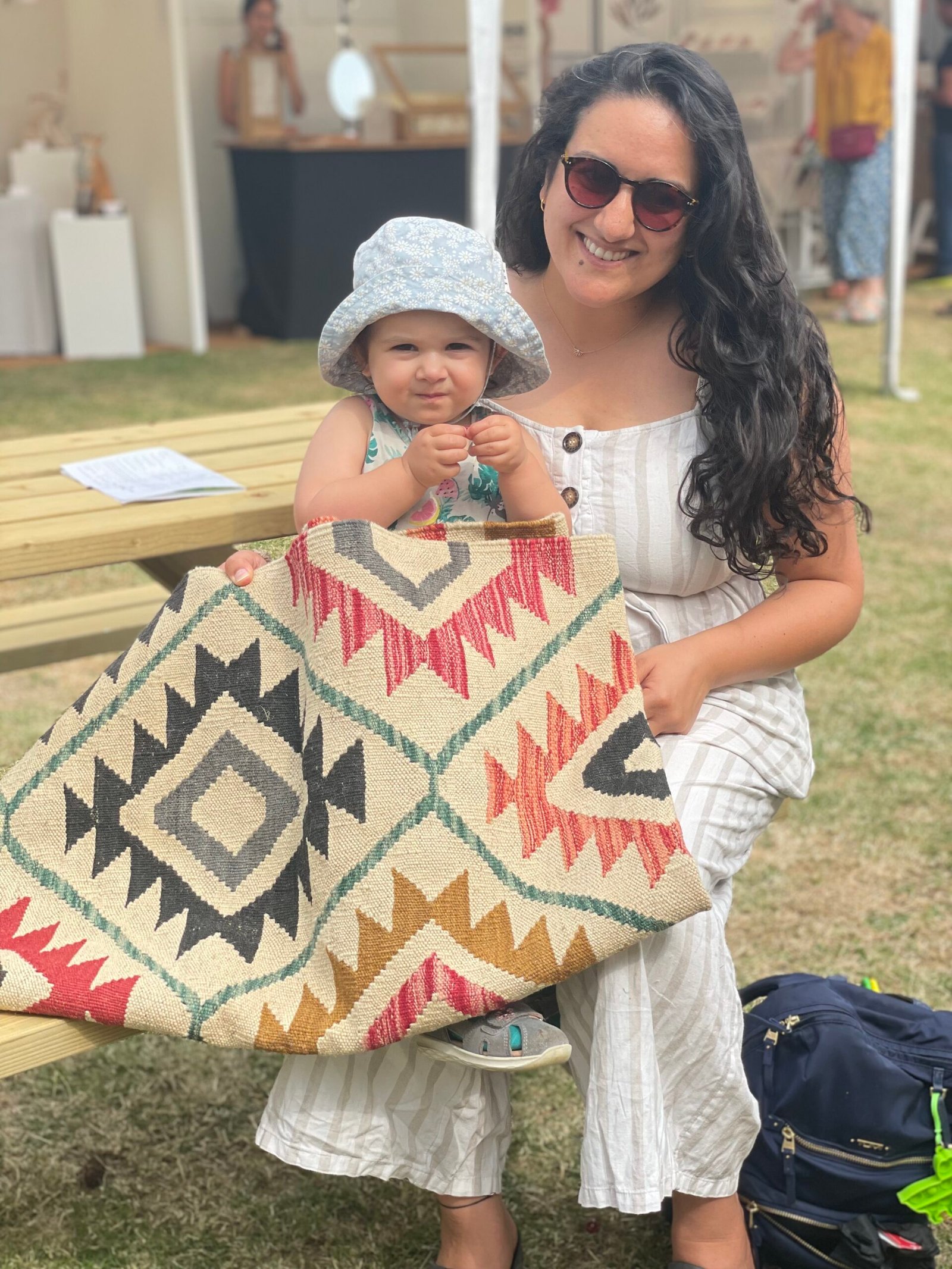
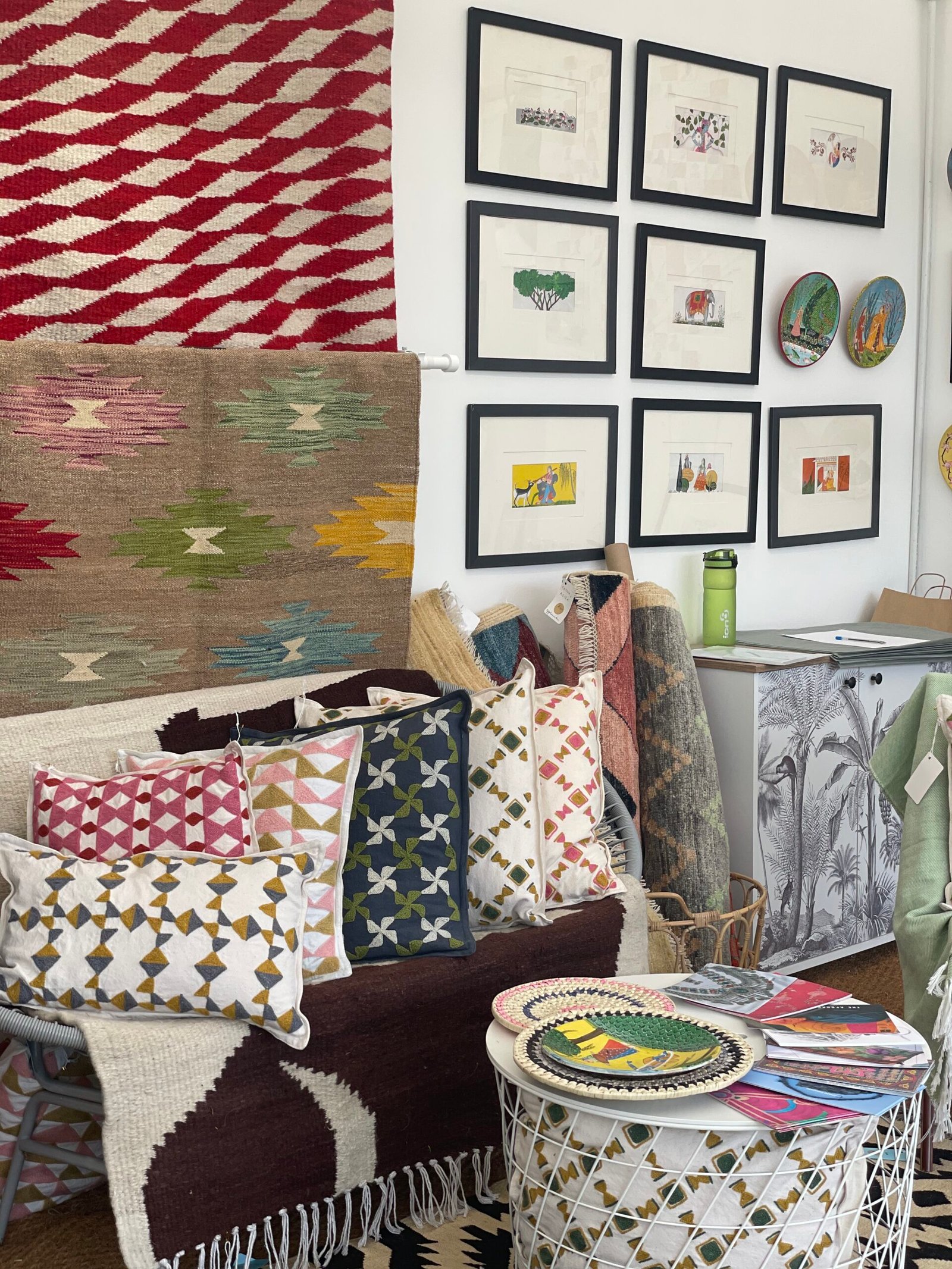
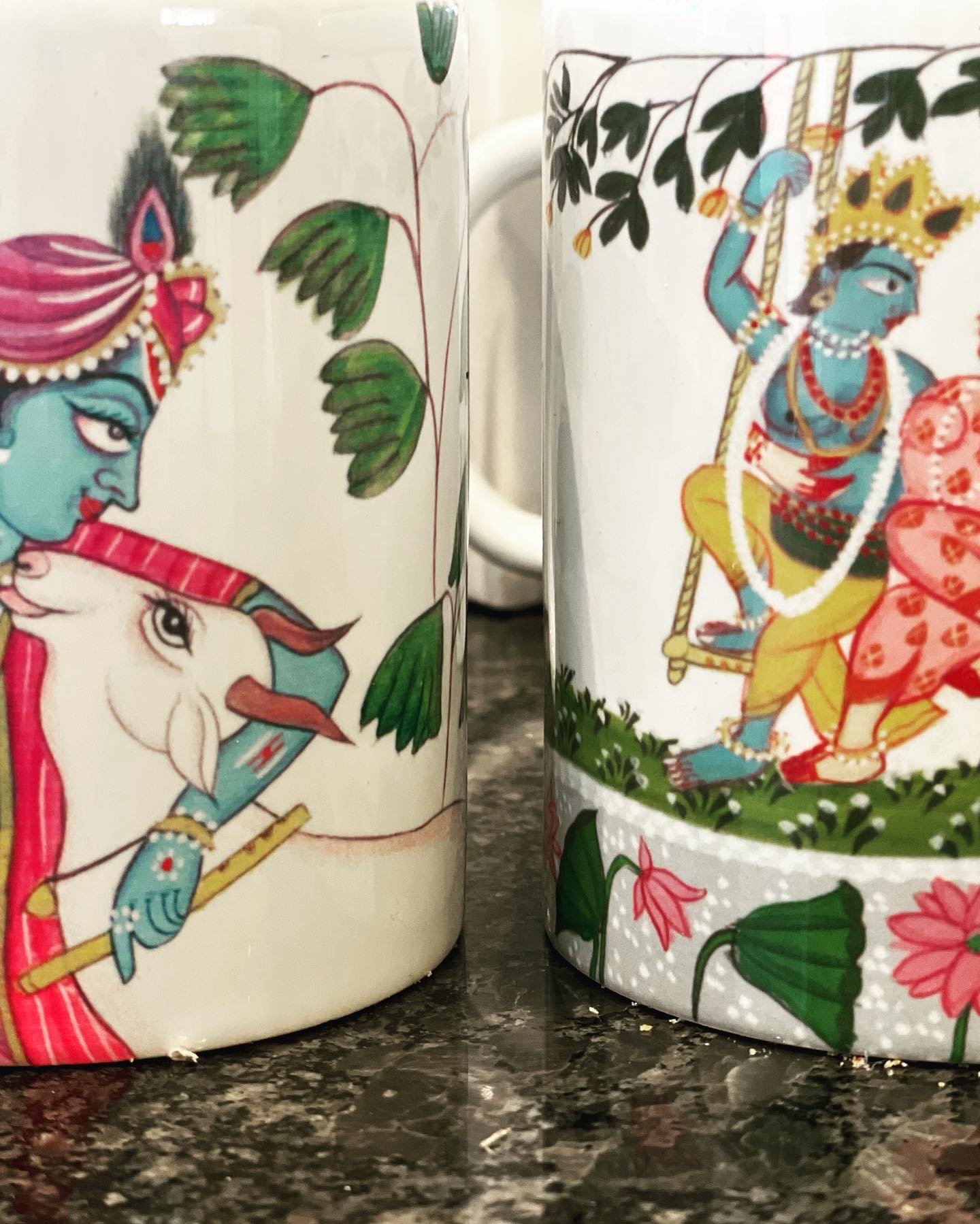
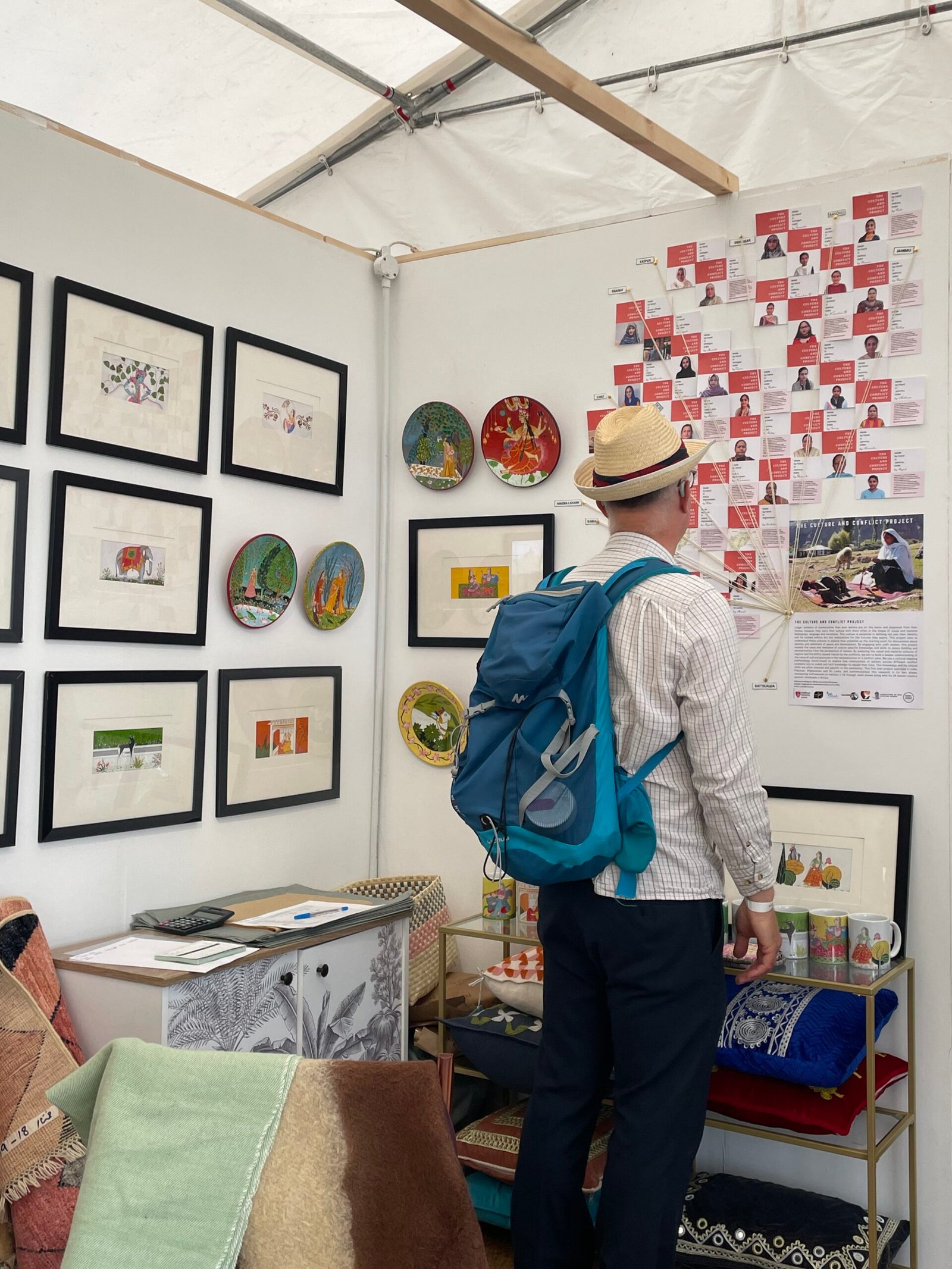
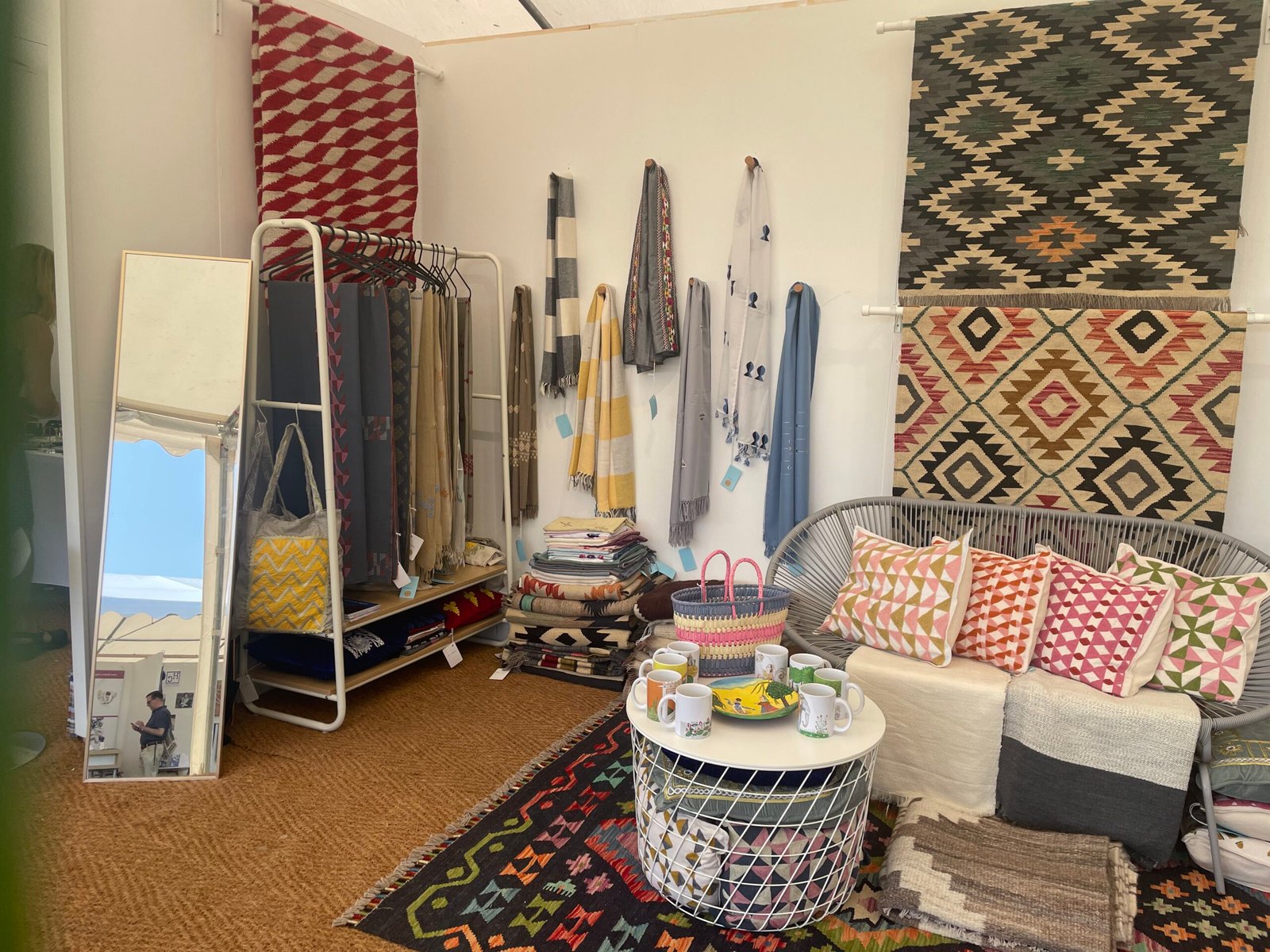
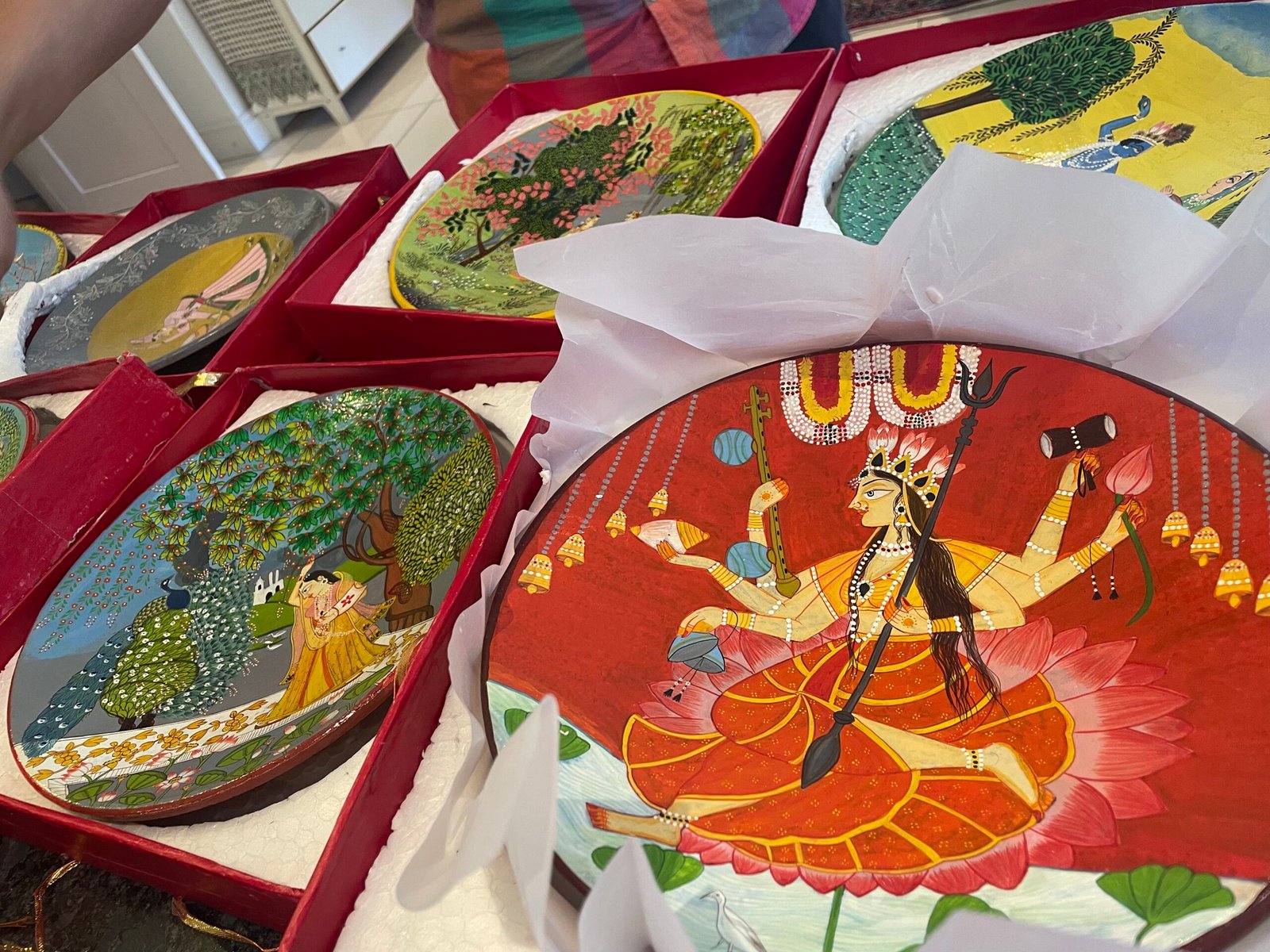
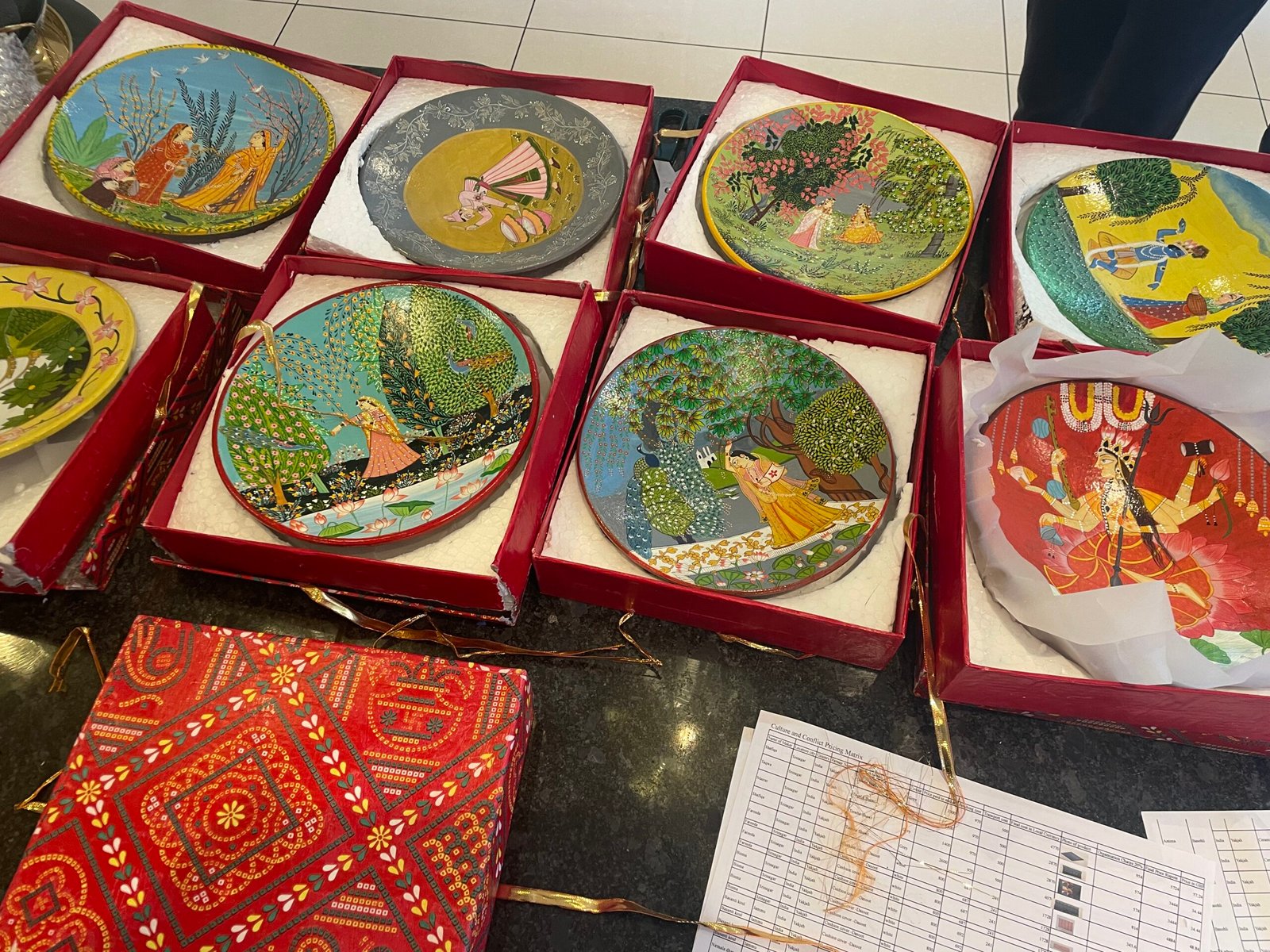
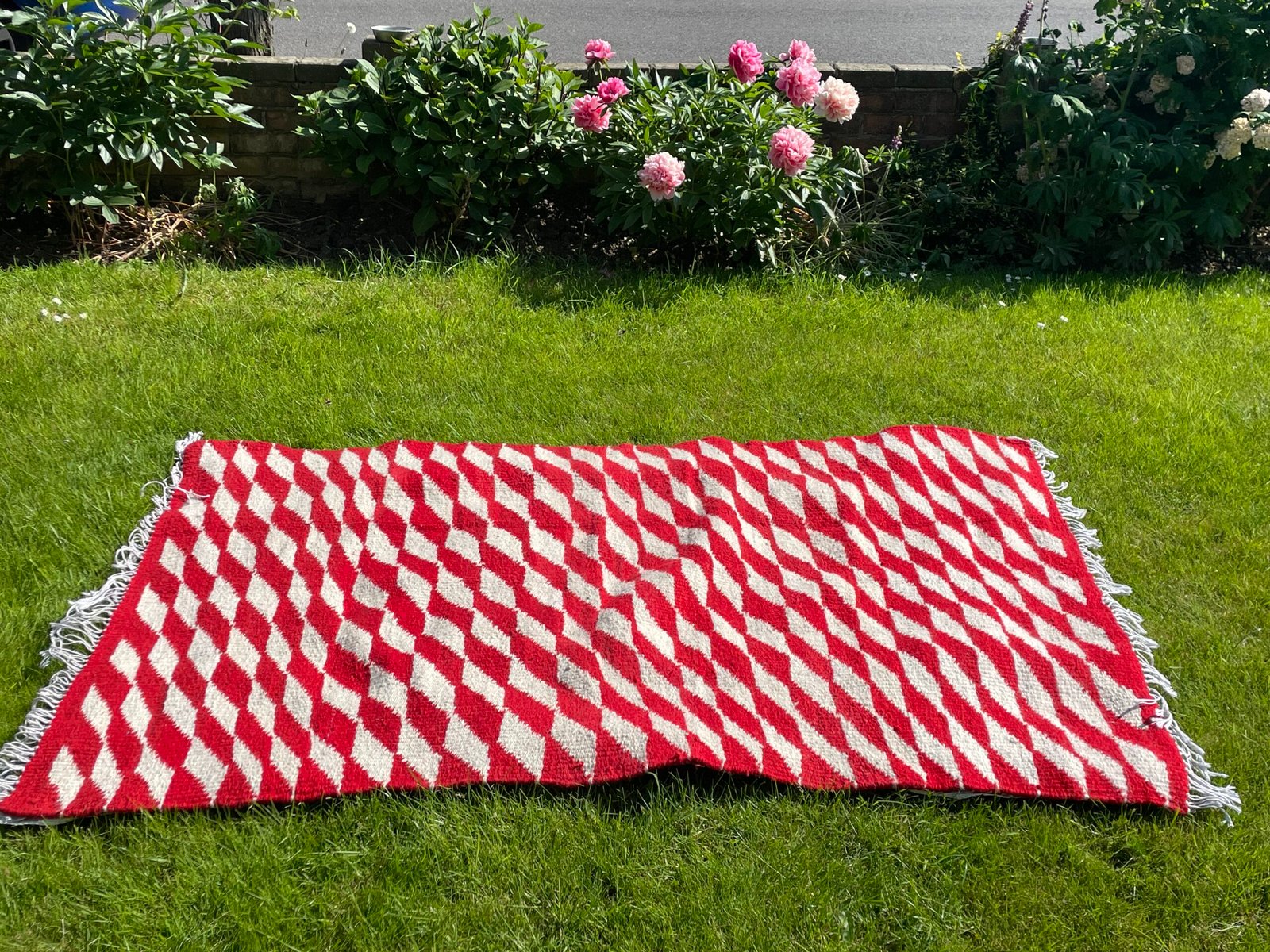
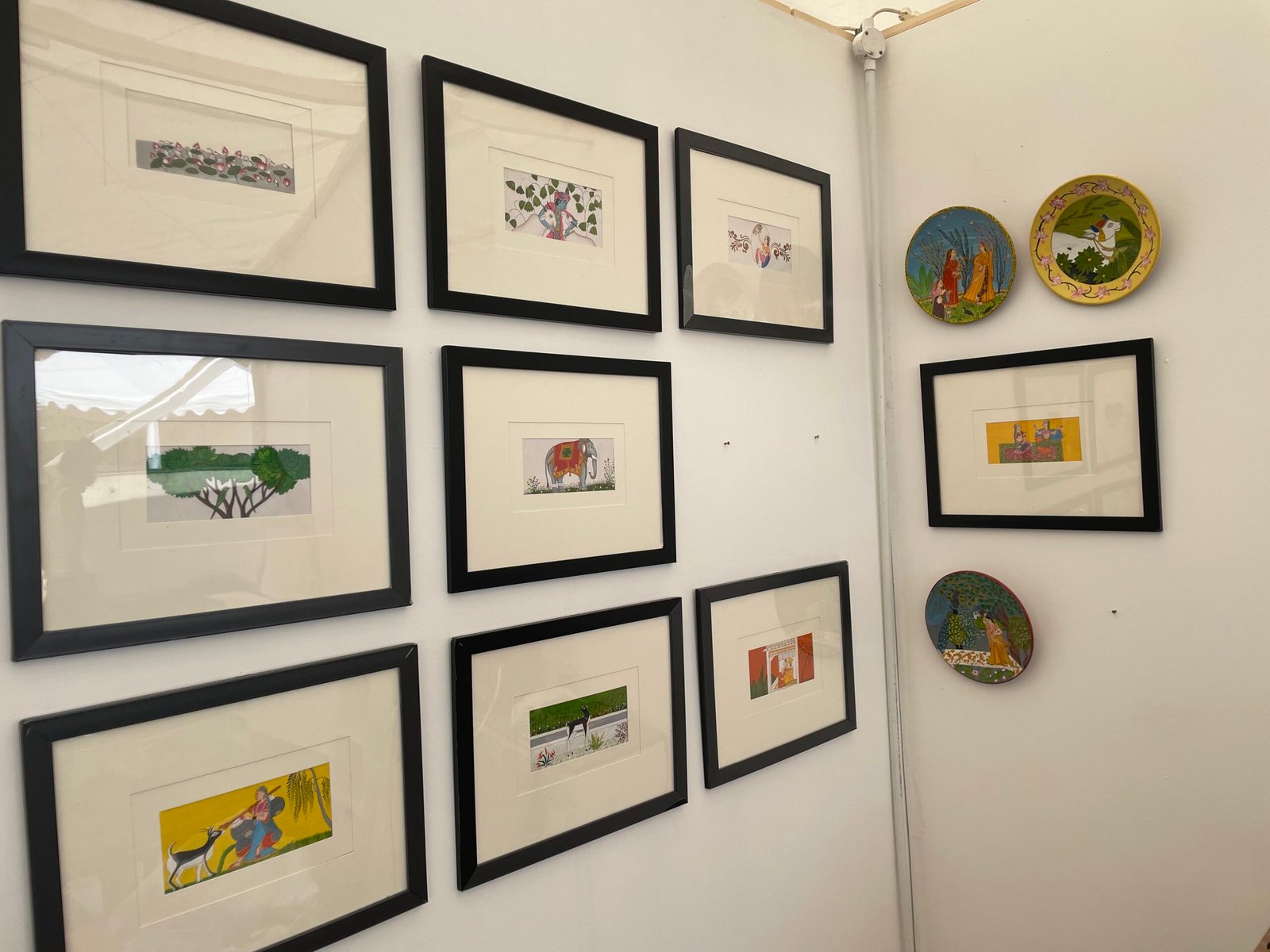
The crafts produced by the women have been shared widely in art exhibitions and through ongoing sales of their art and crafts in markets across the UK.
While the Women Peace and Security agenda acknowledges the importance of economic empowerment, agency and sustainability it fails to adequately emphasise how such work can and often does emerge organically and informally from the bottom up in conflict-affected contexts by the women themselves. Economic livelihood does not just mean formal employment in jobs that require qualifications. It also means the vast and varied informal sector and home-based economies which are often rooted in cultural practices and craft making.
Commercialisation
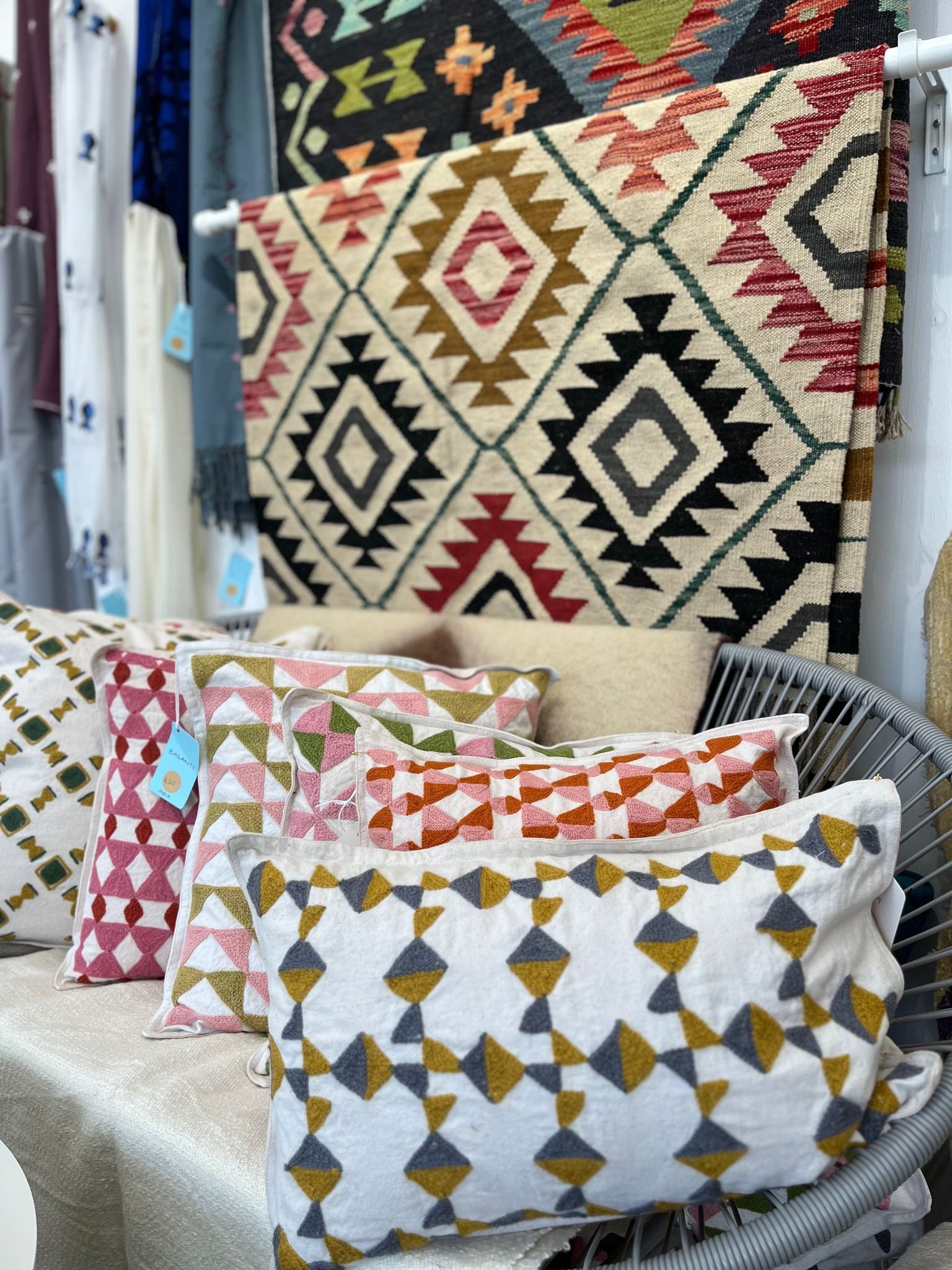
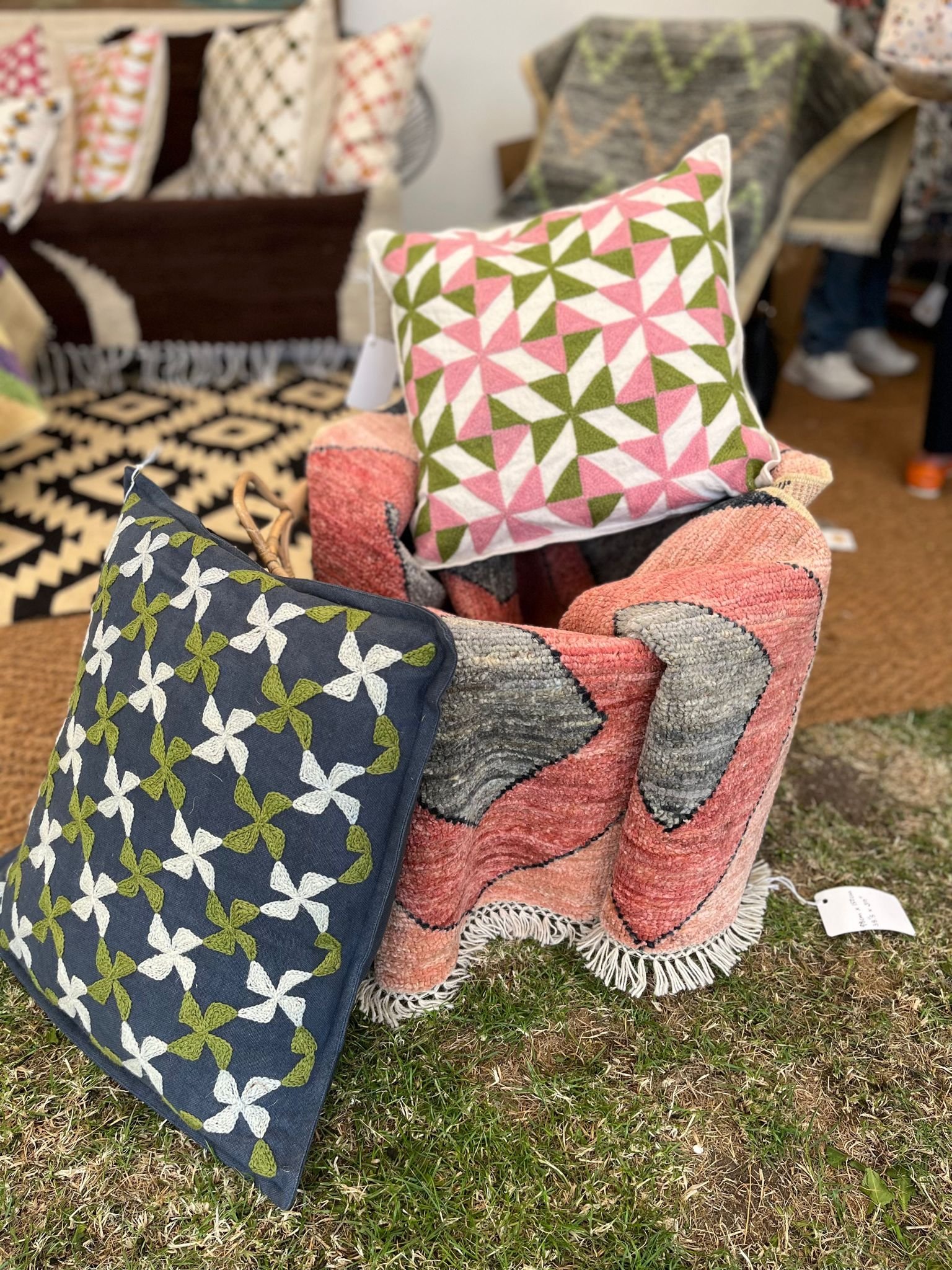
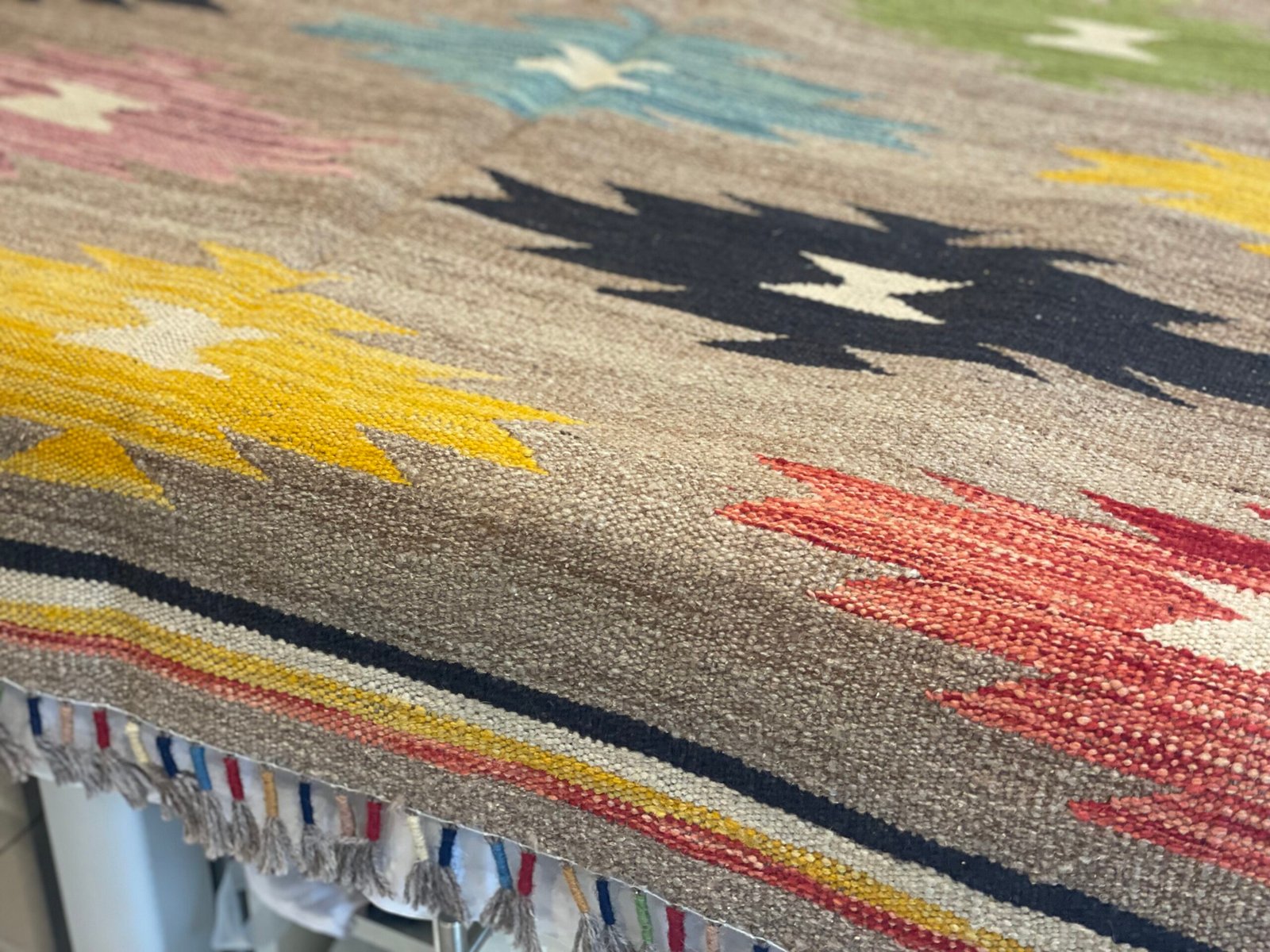
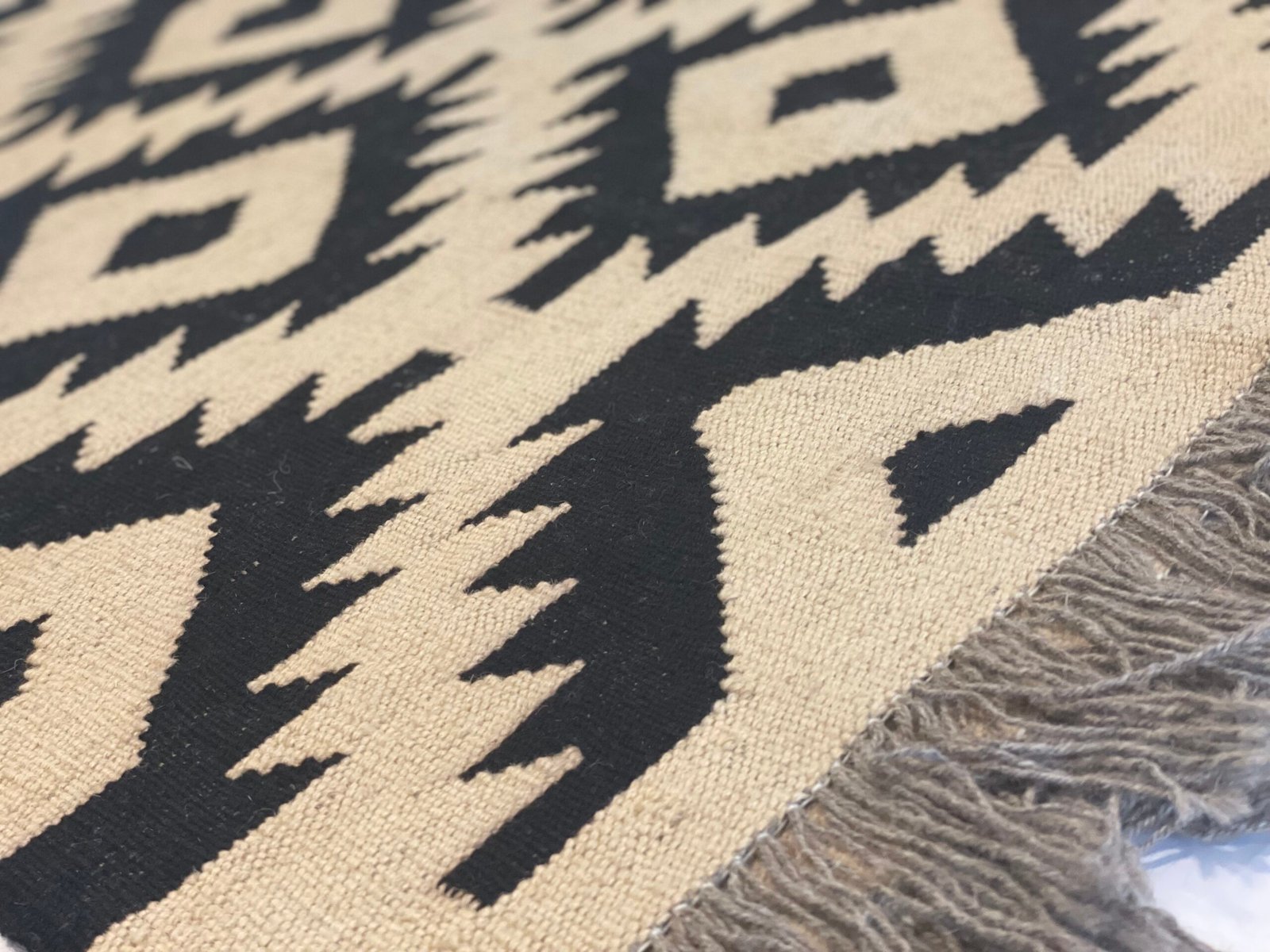
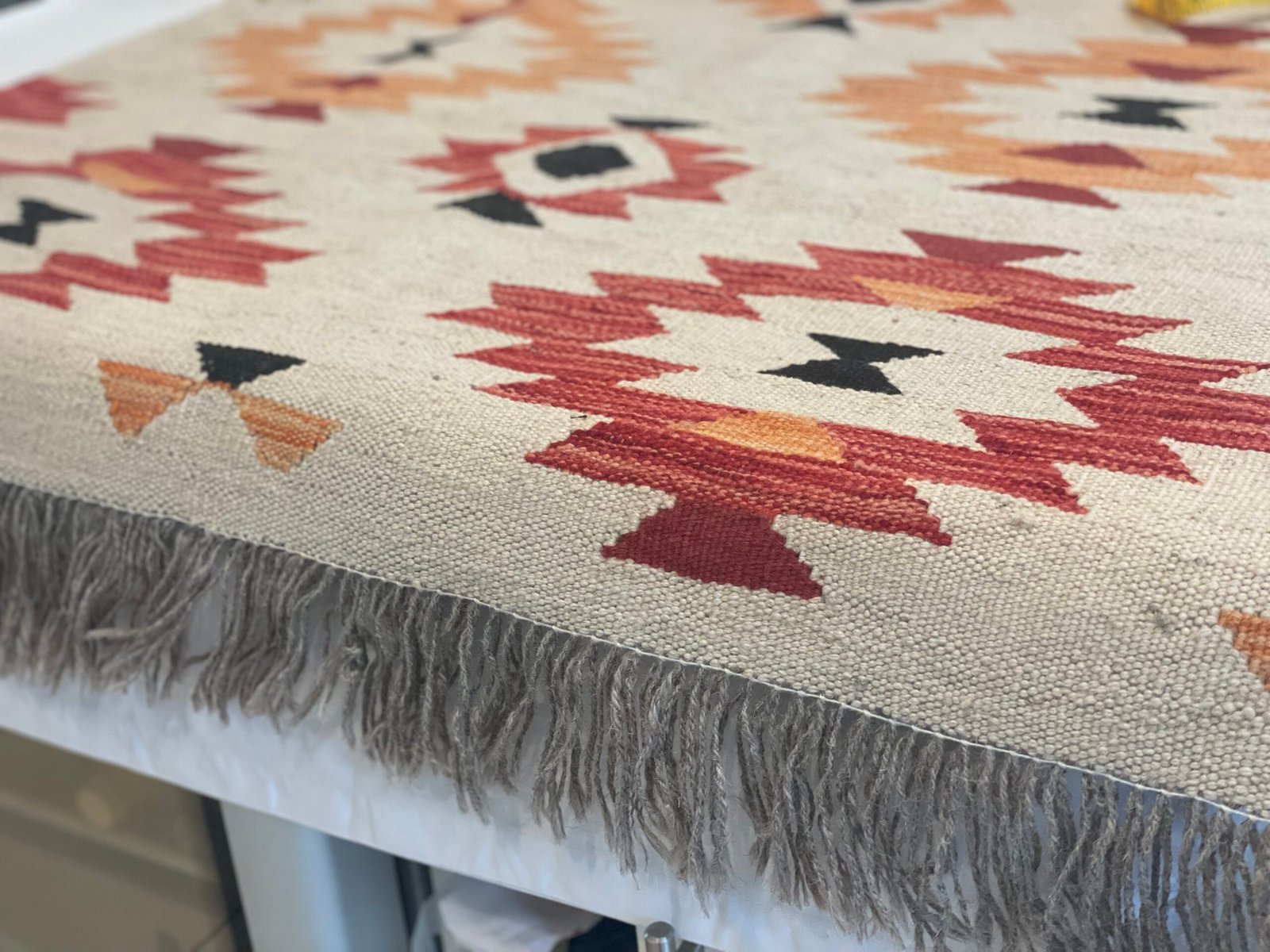
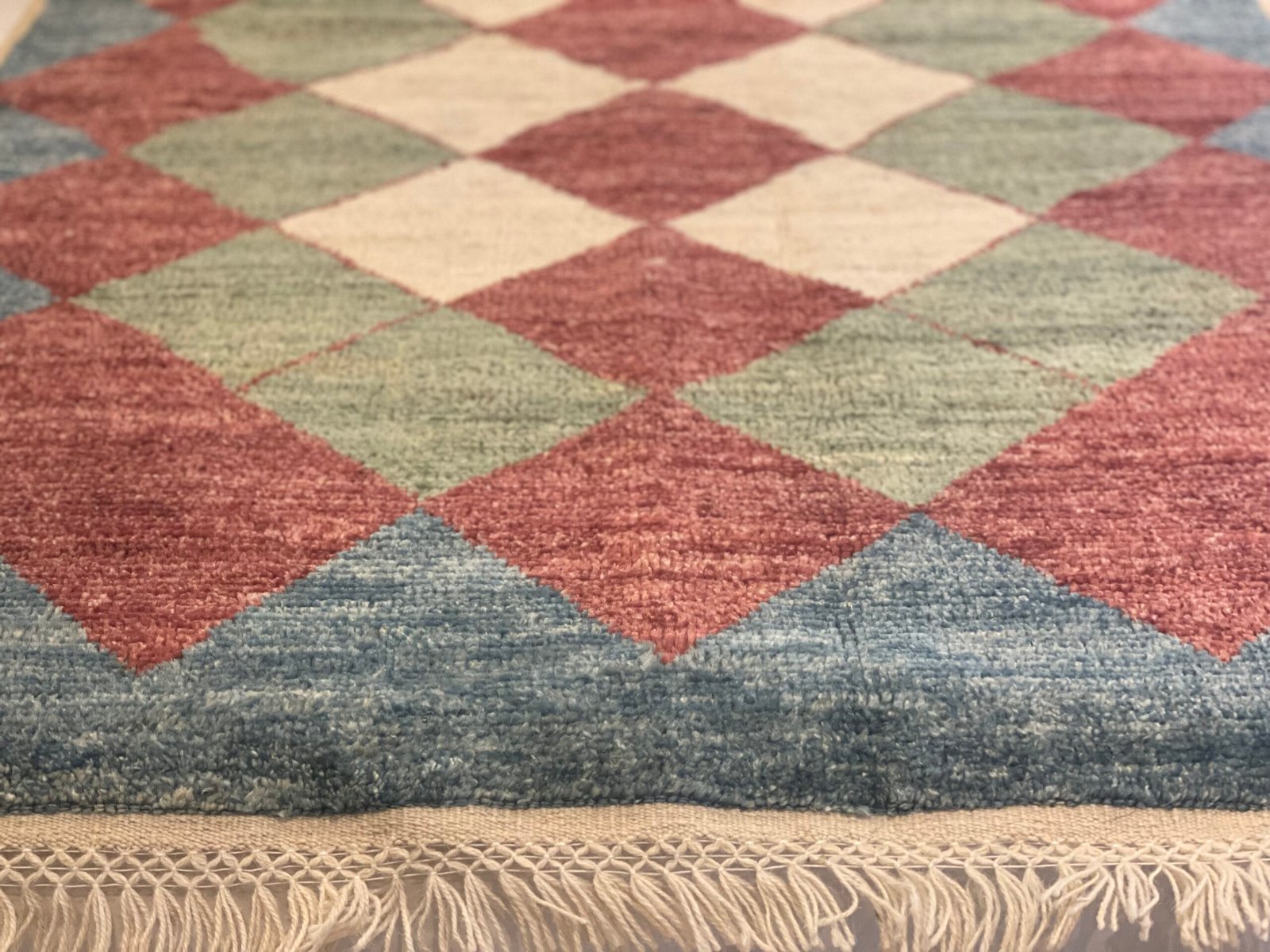
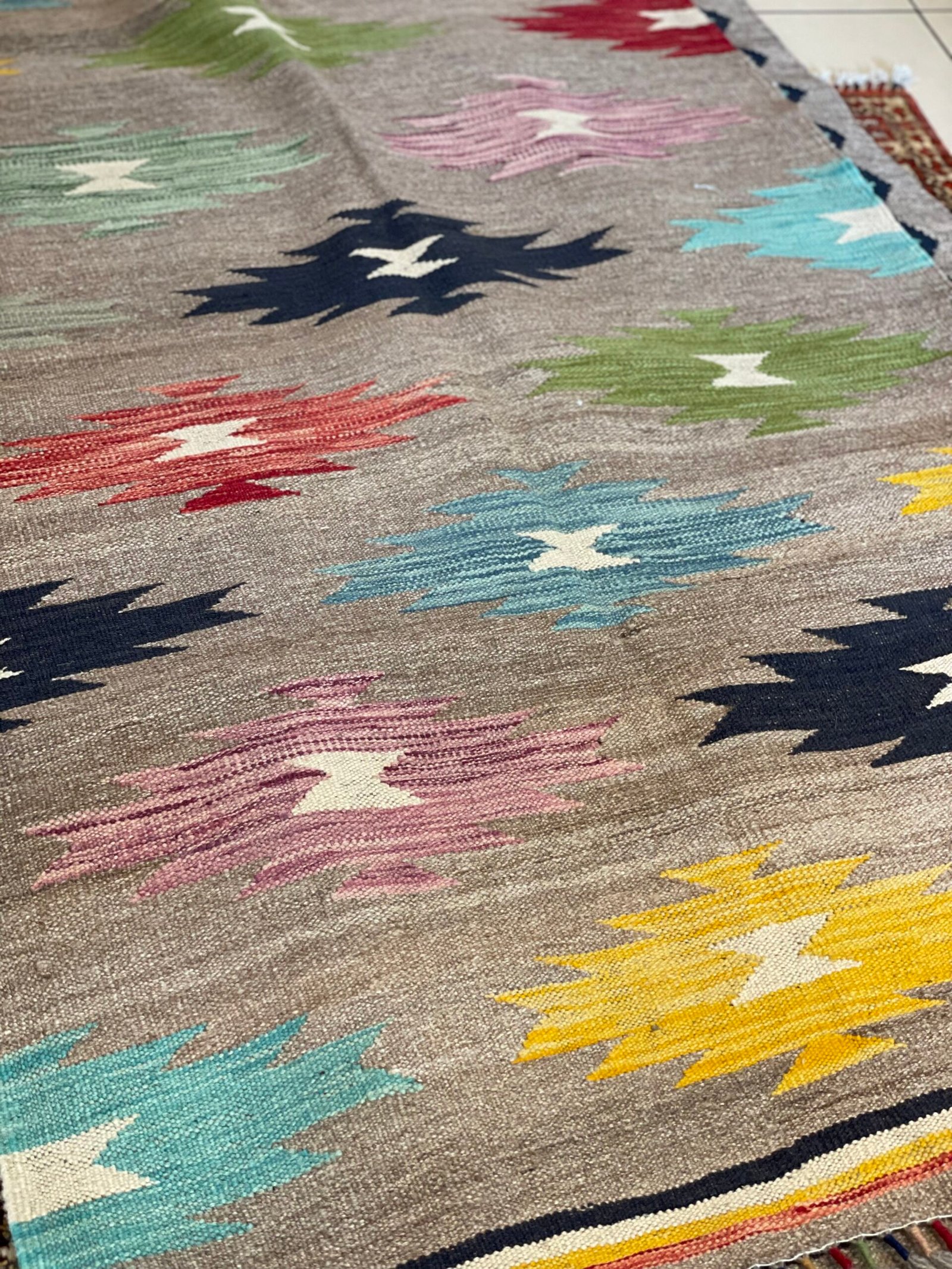
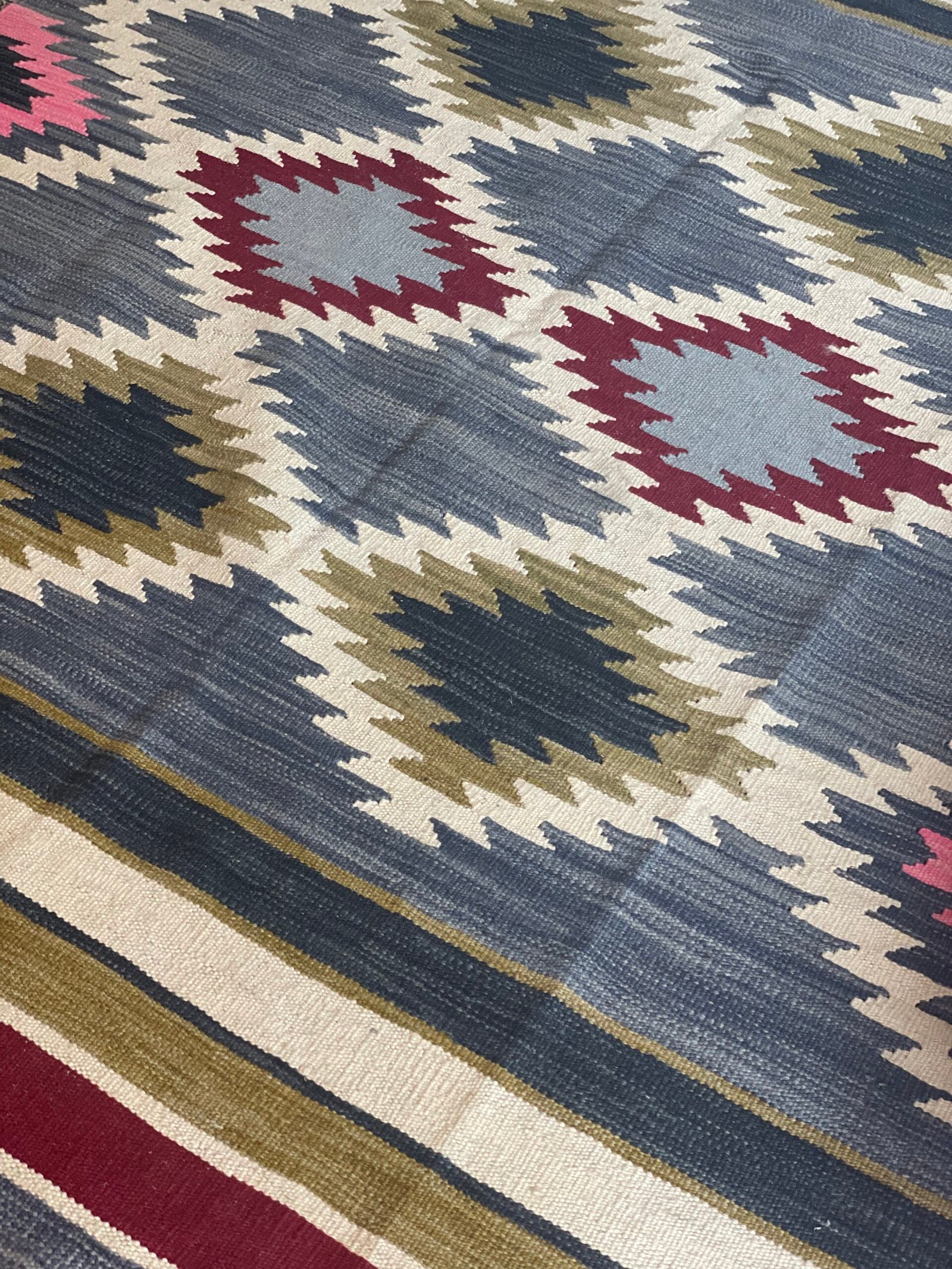
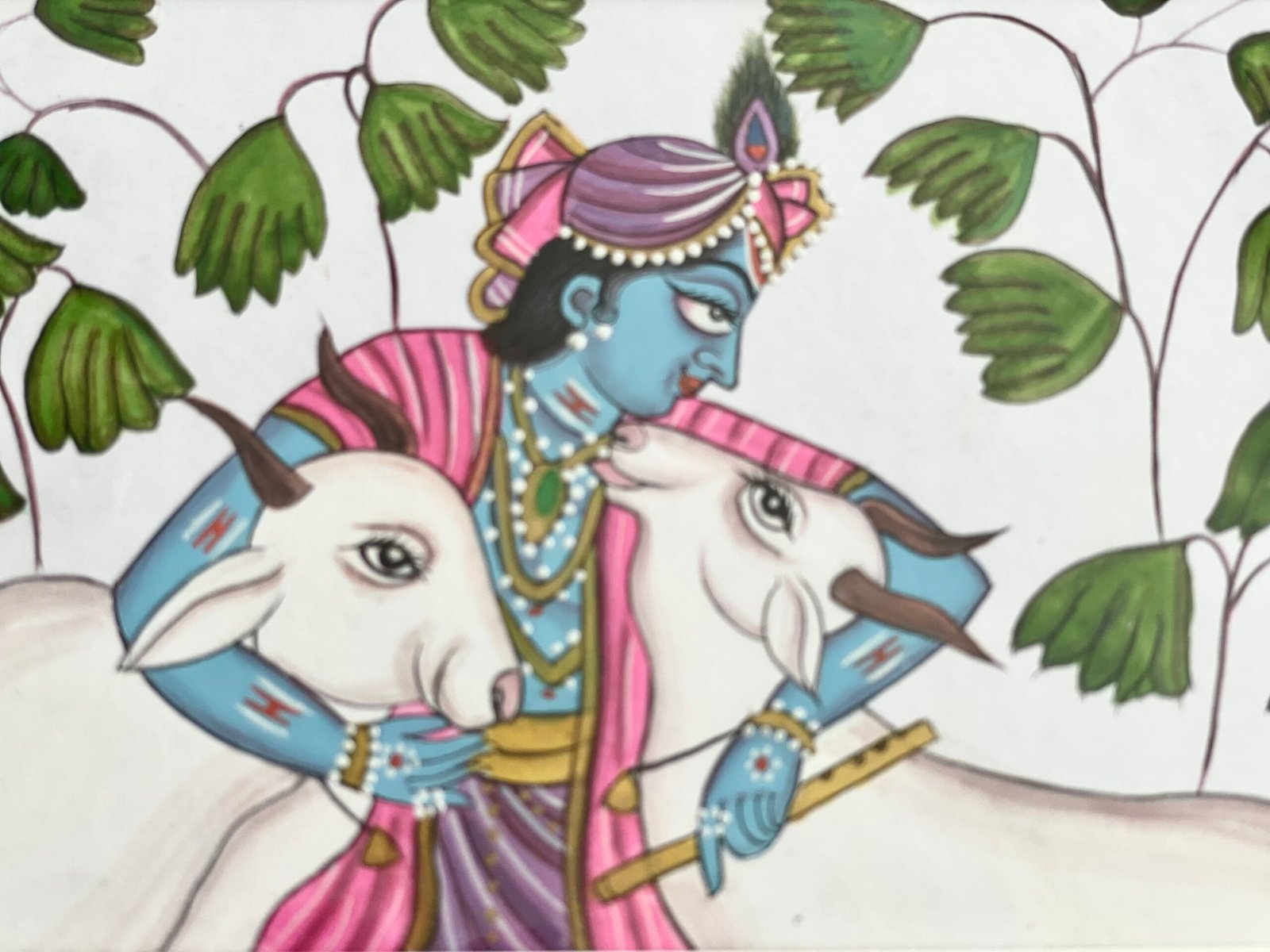
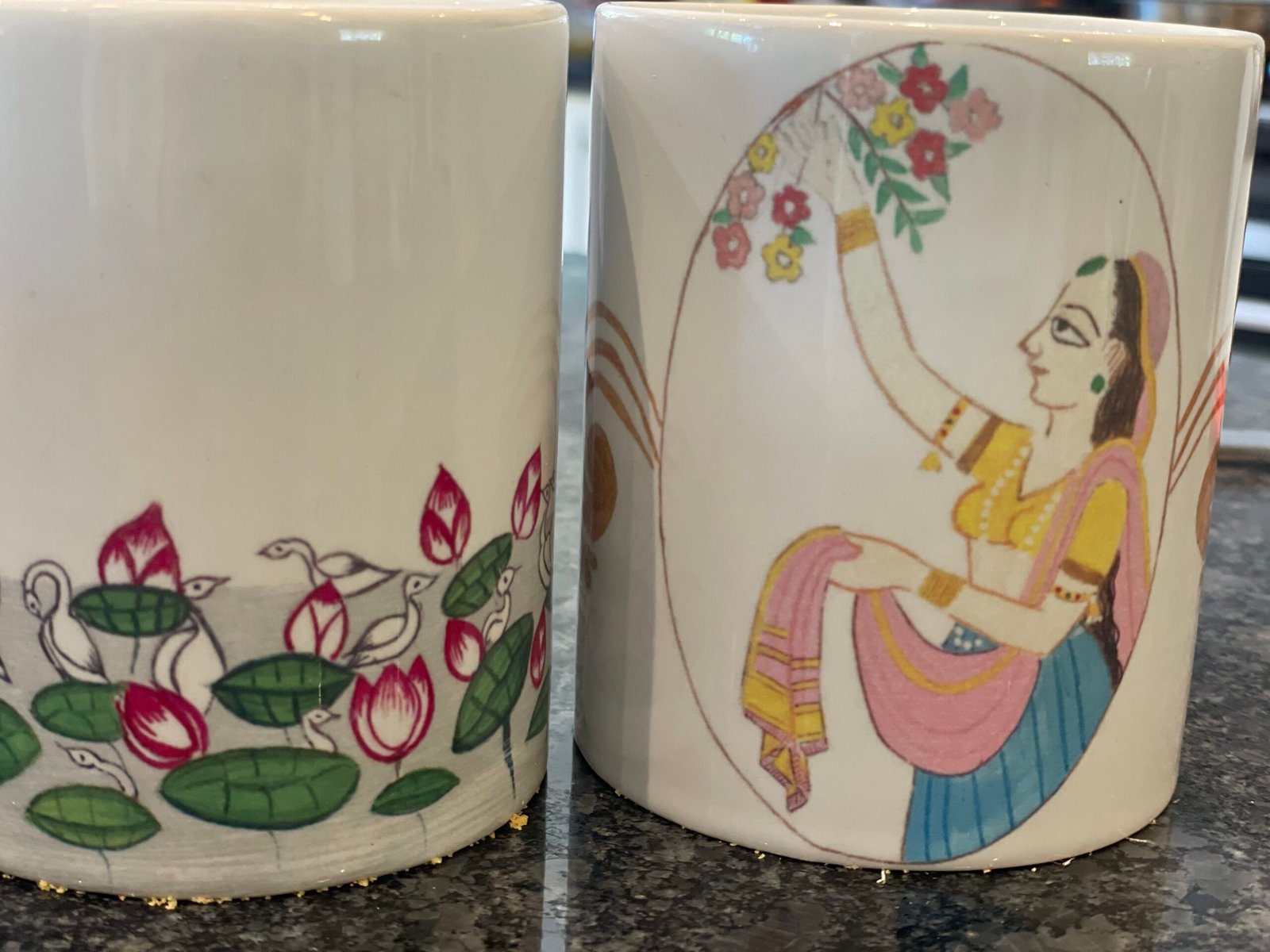
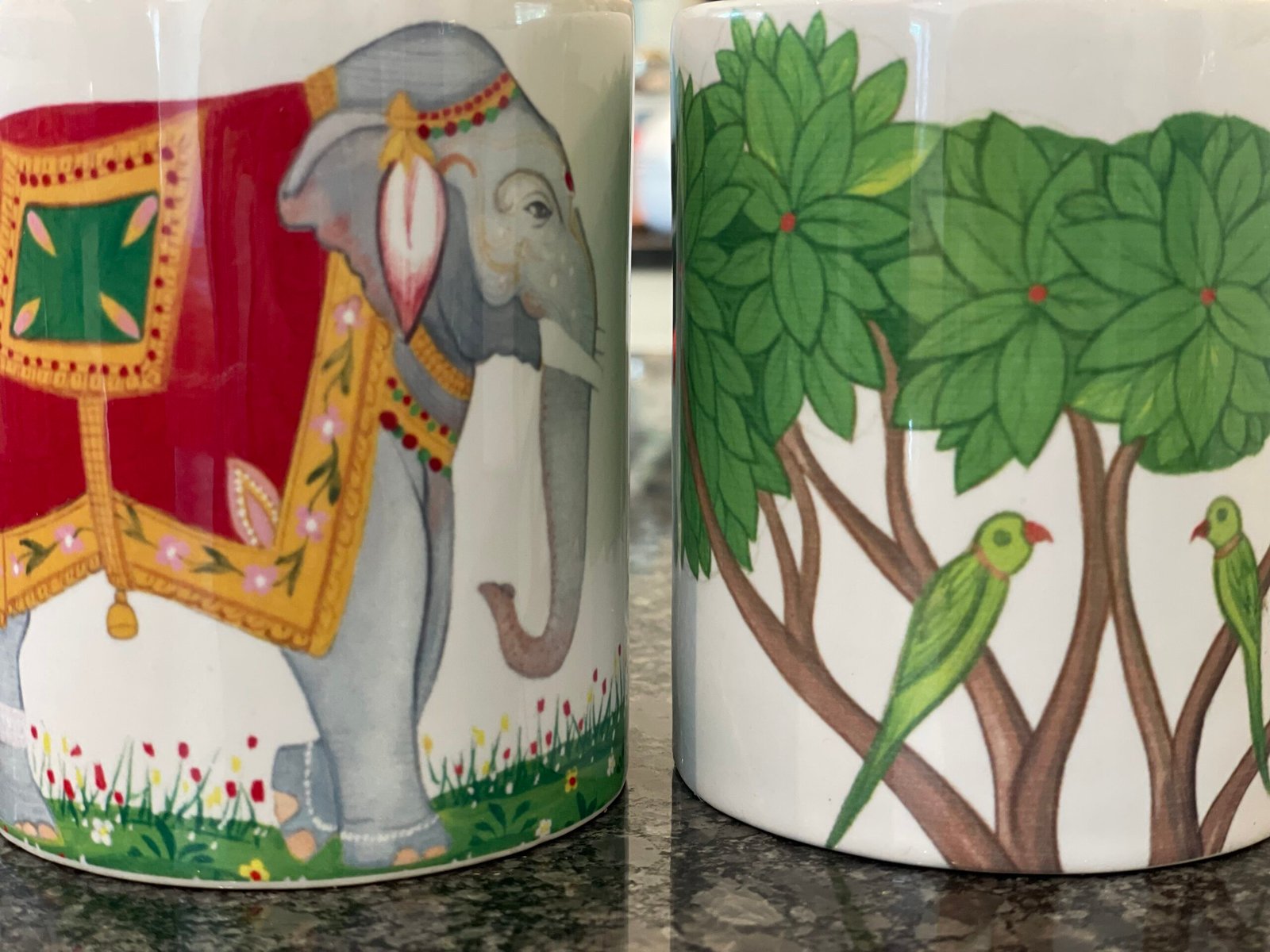
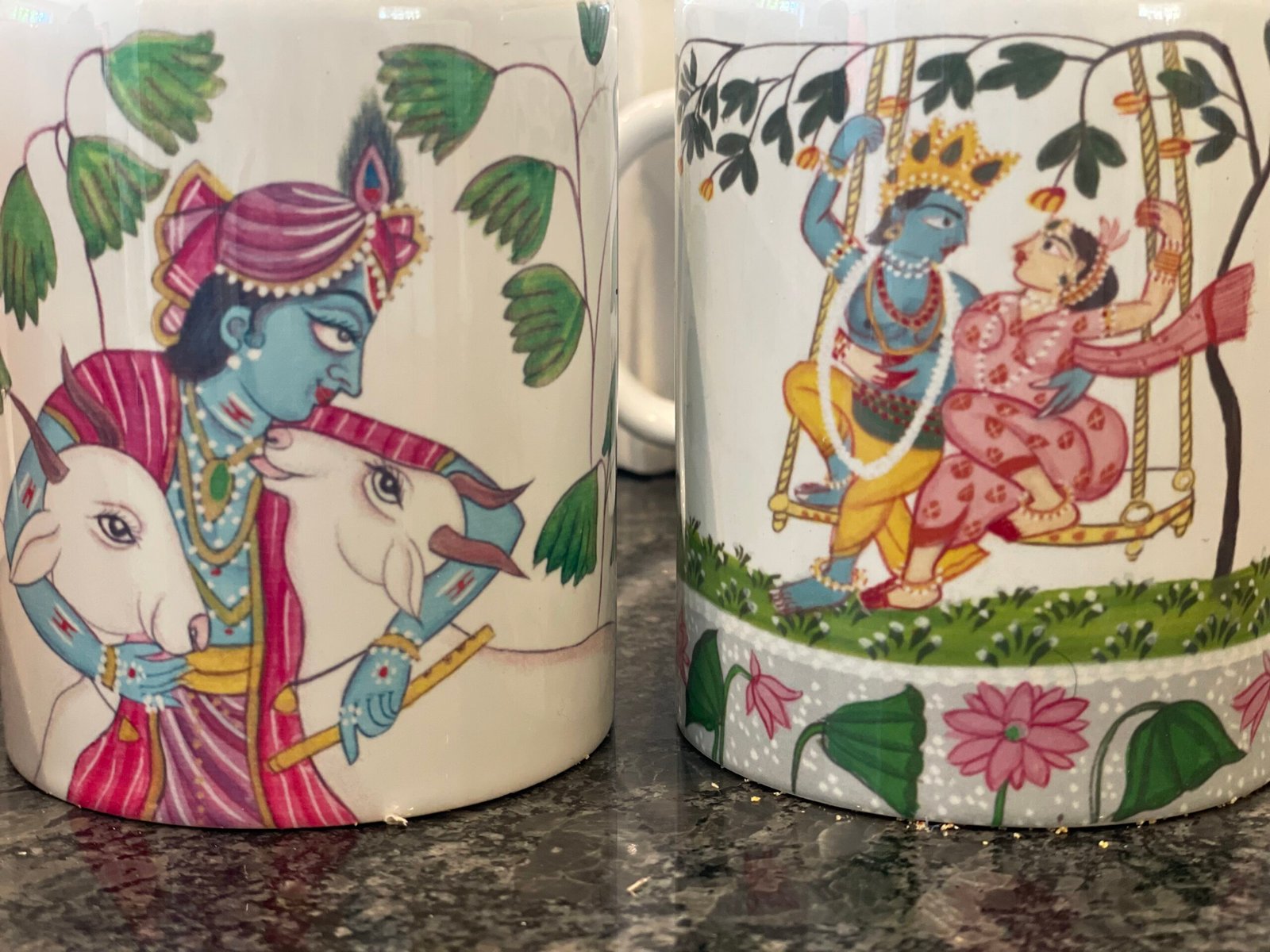
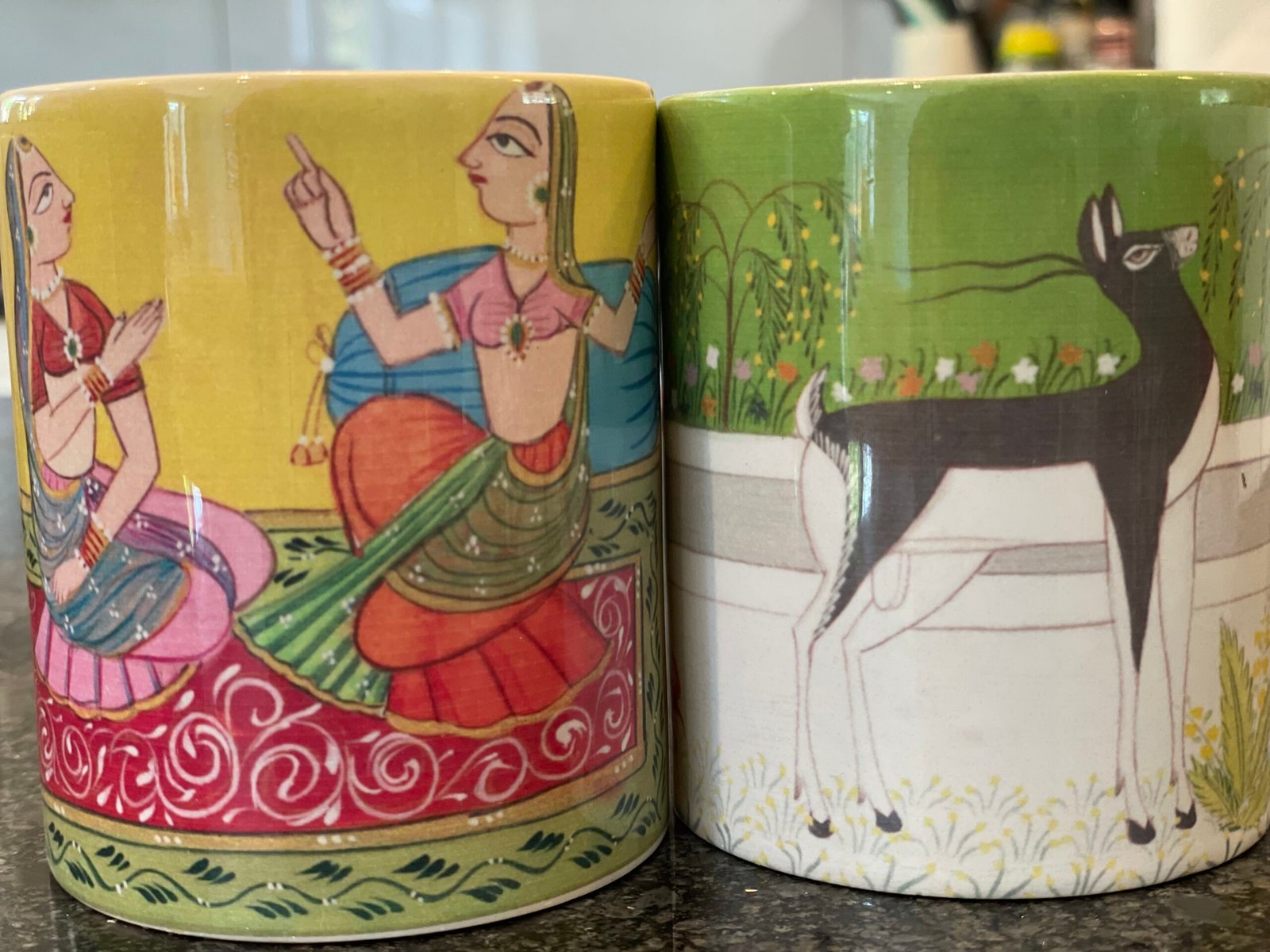
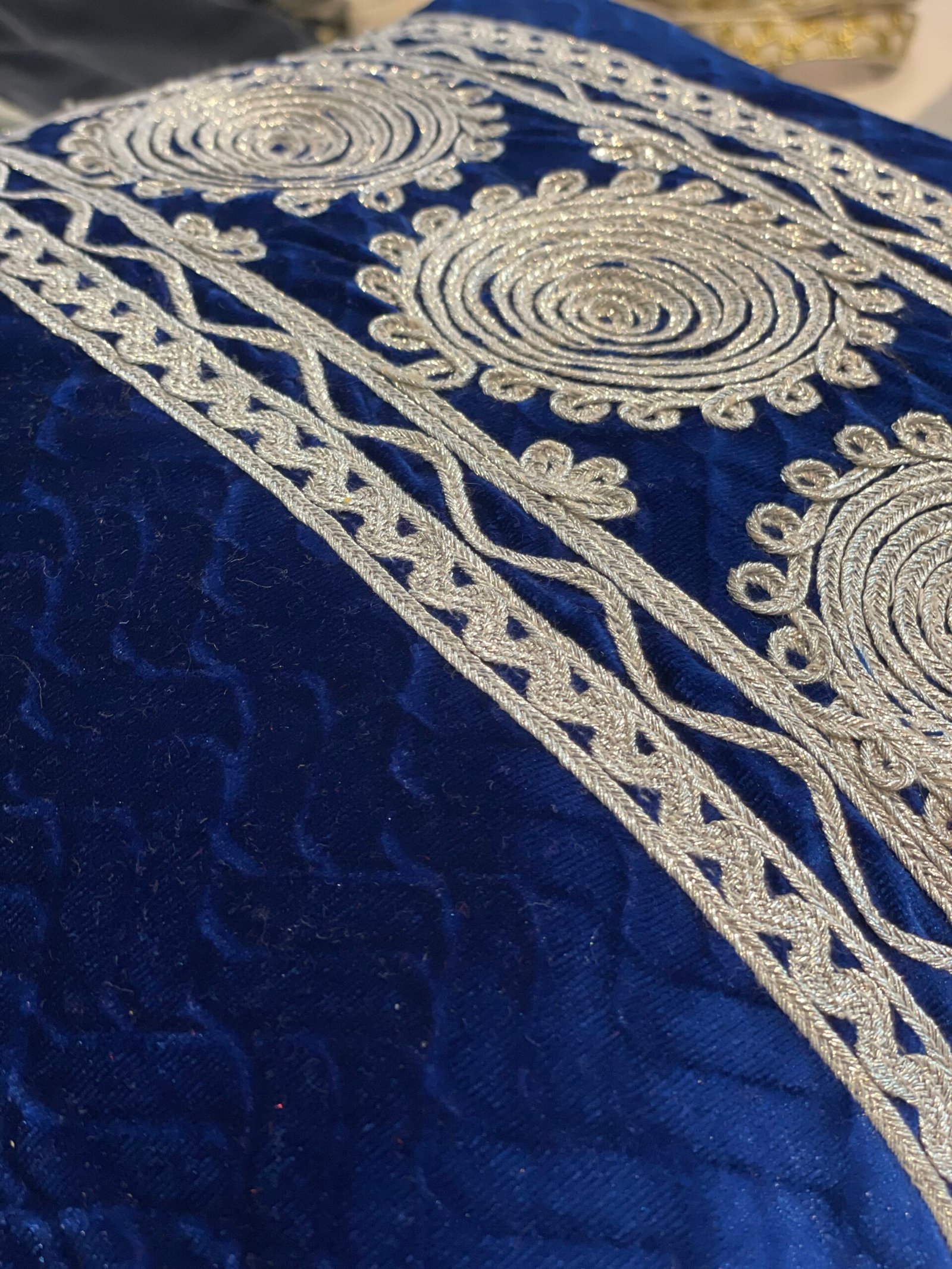
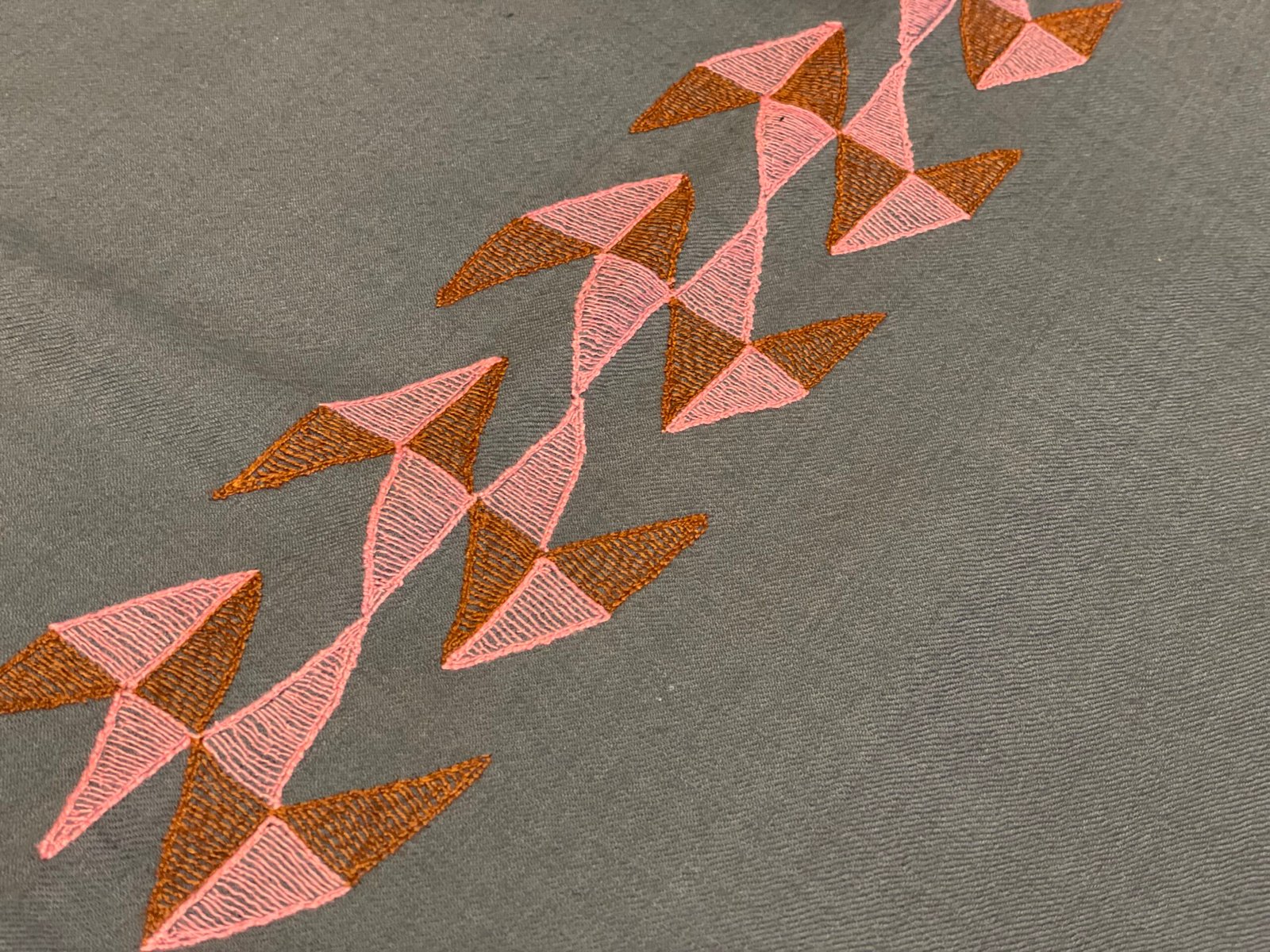
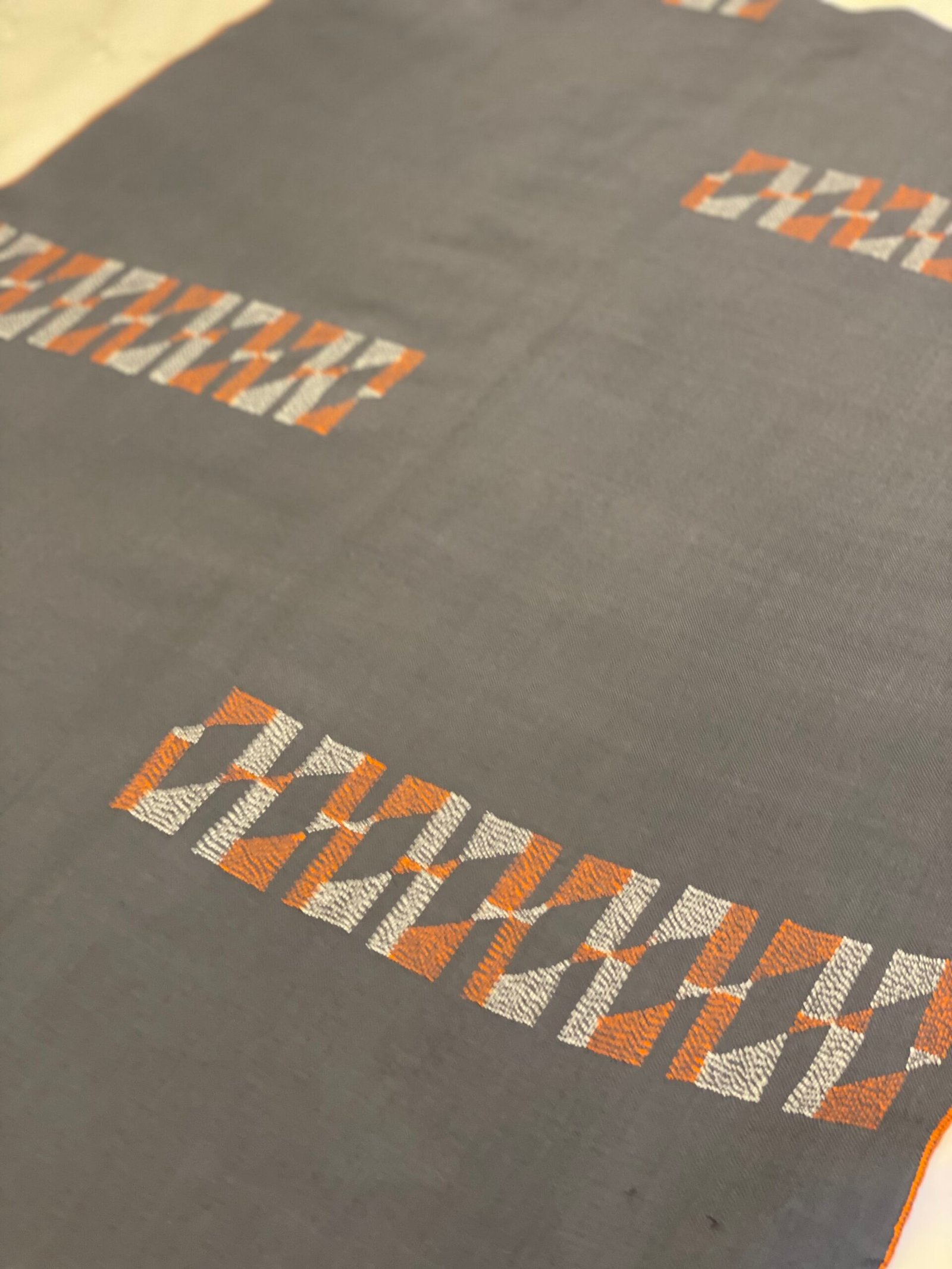
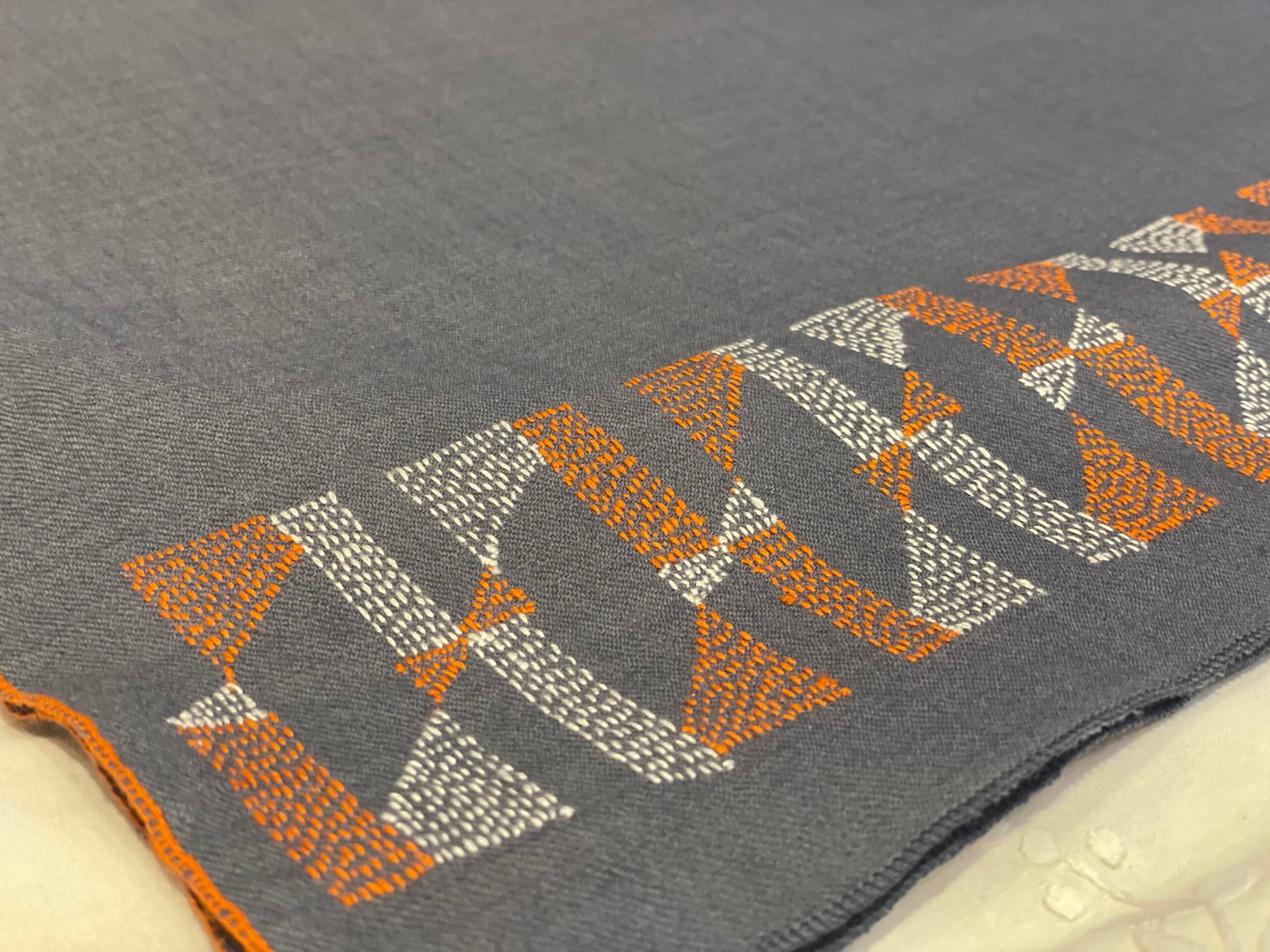
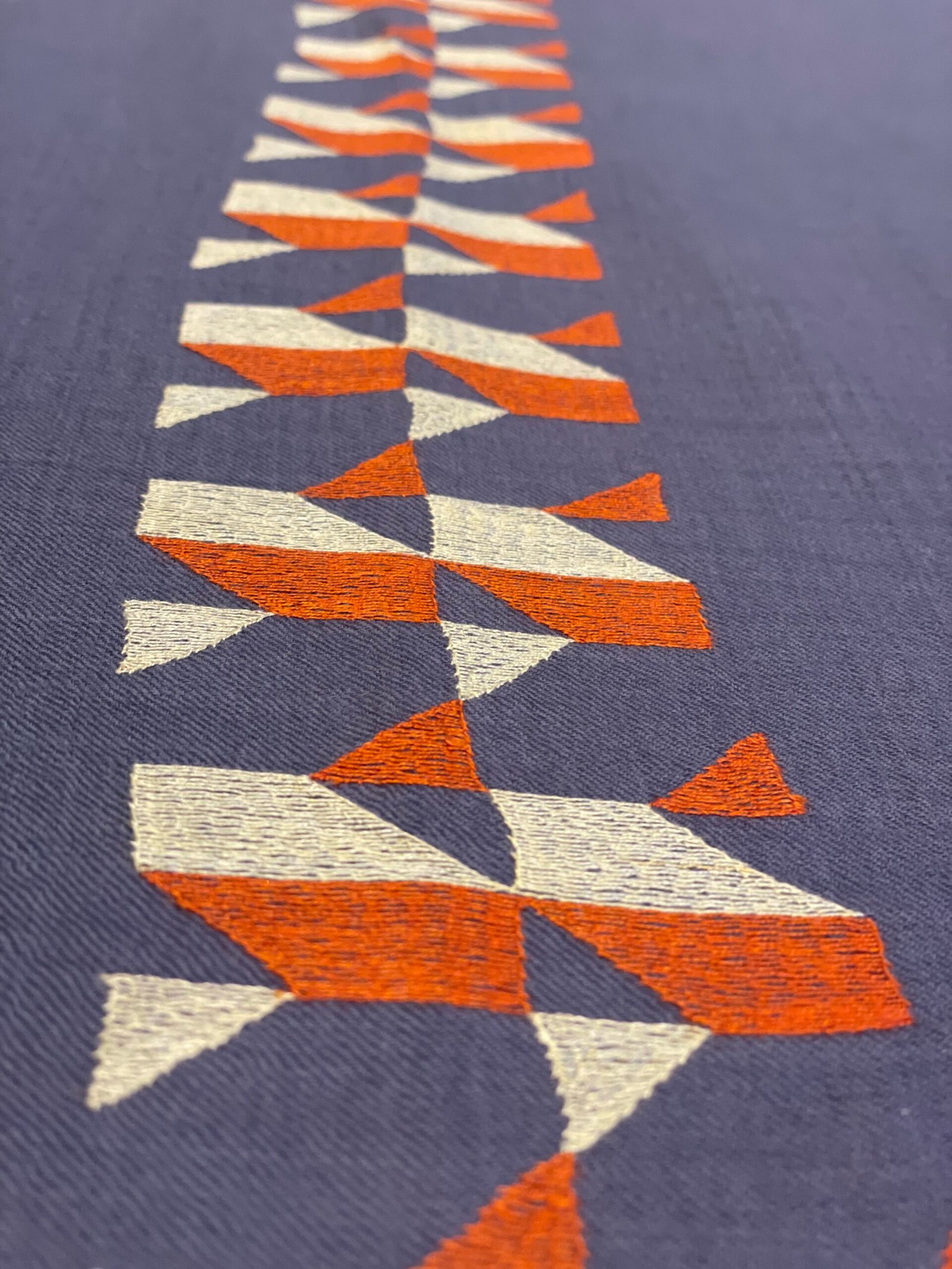
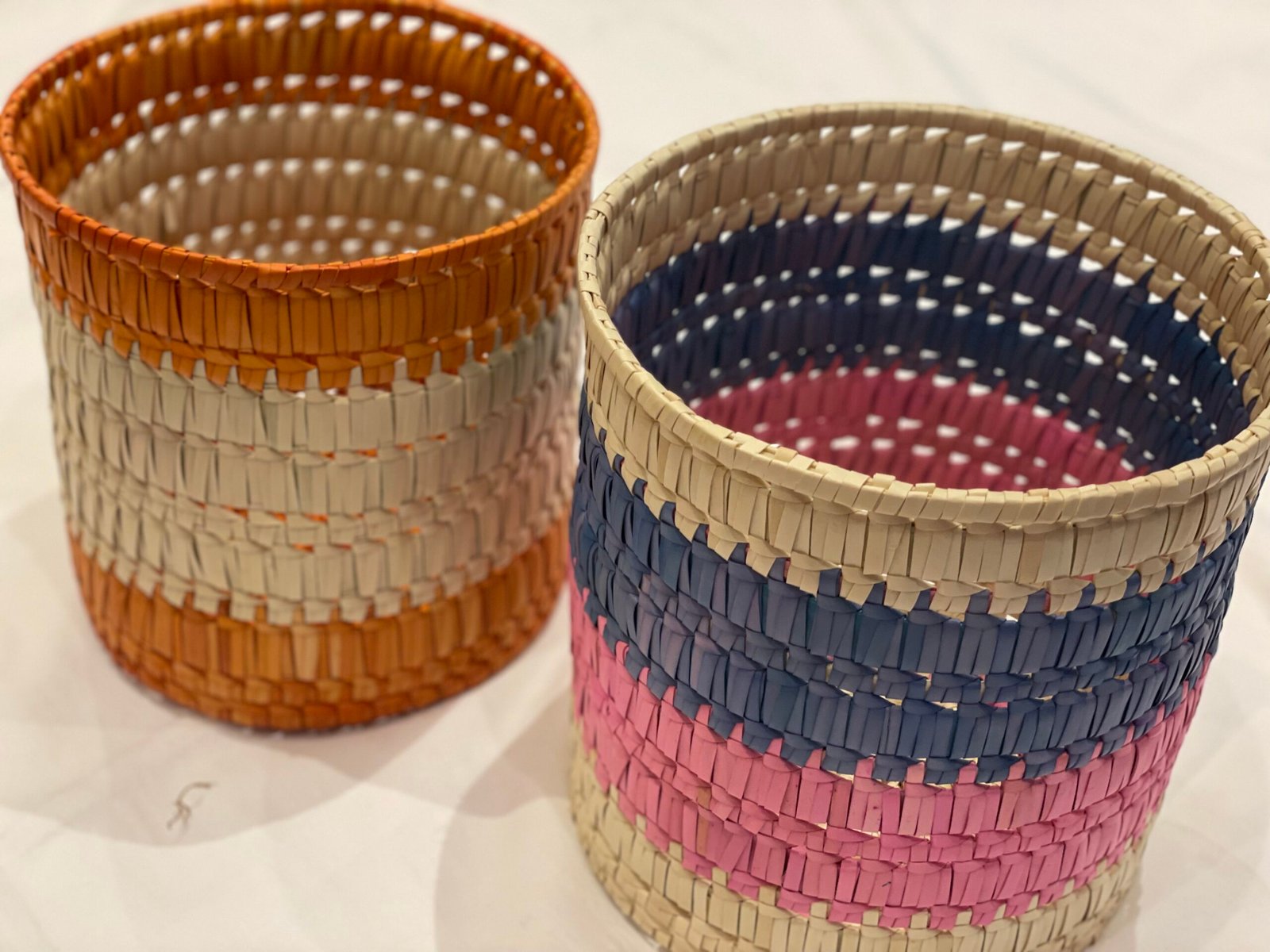
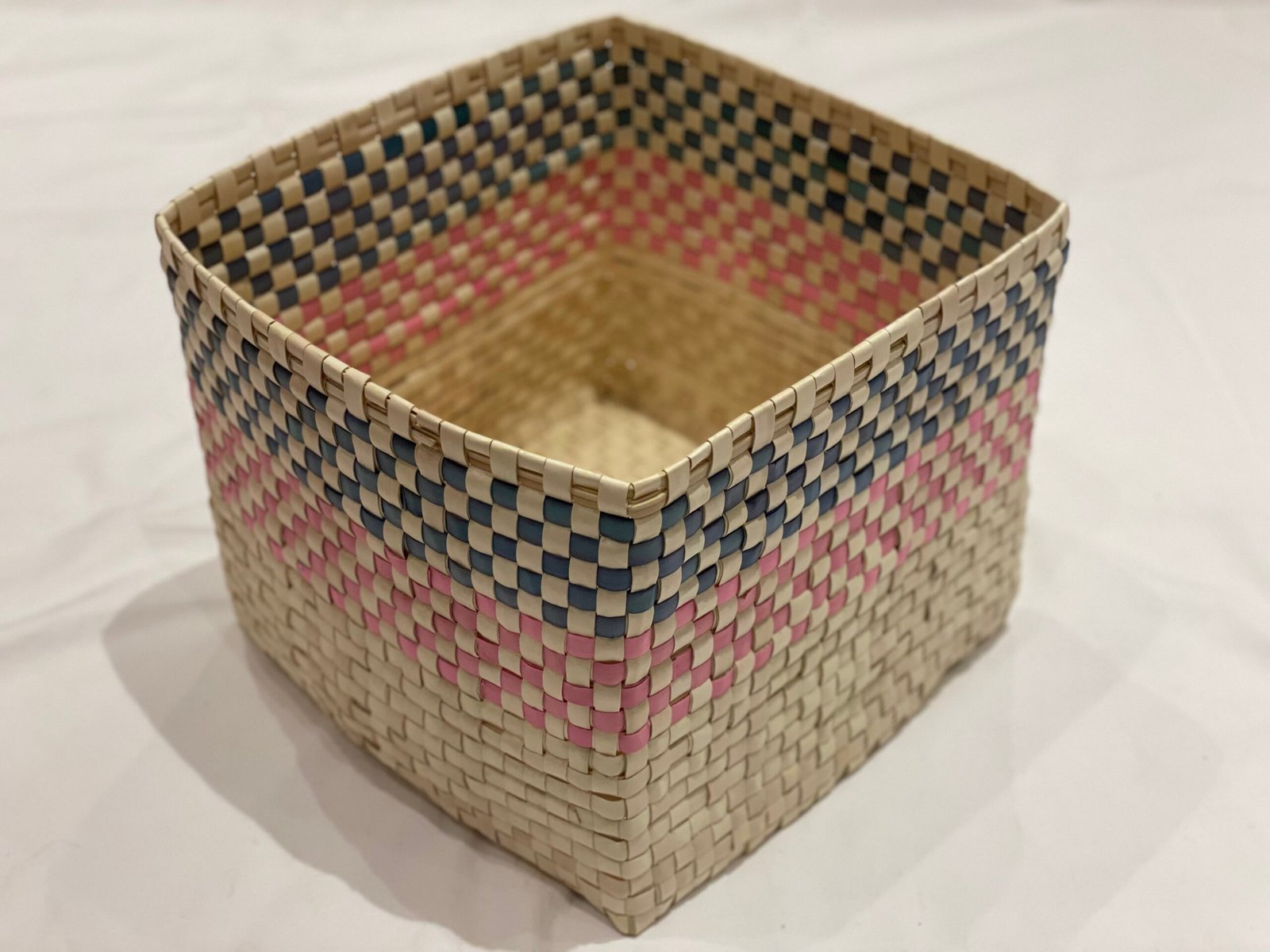
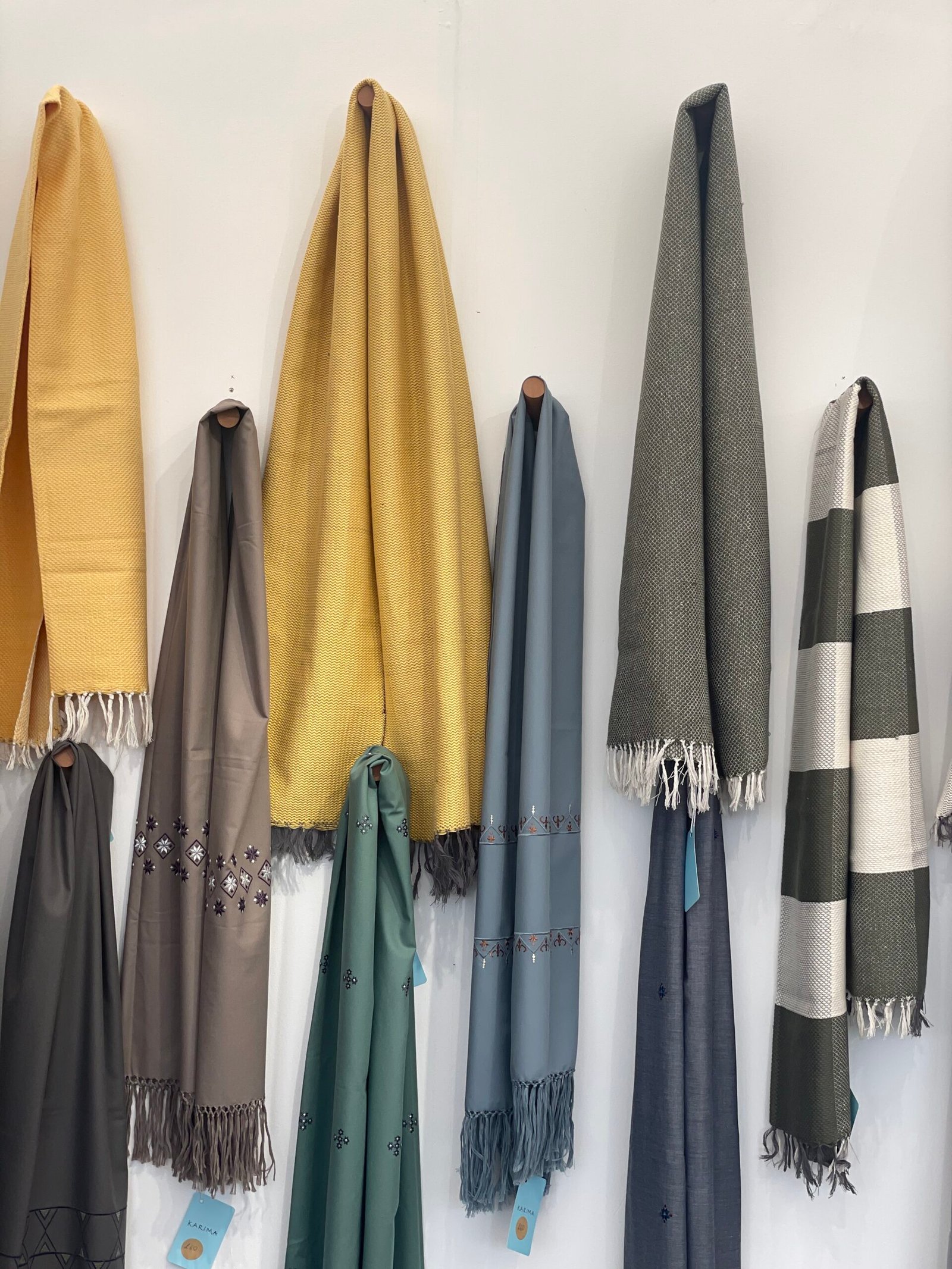
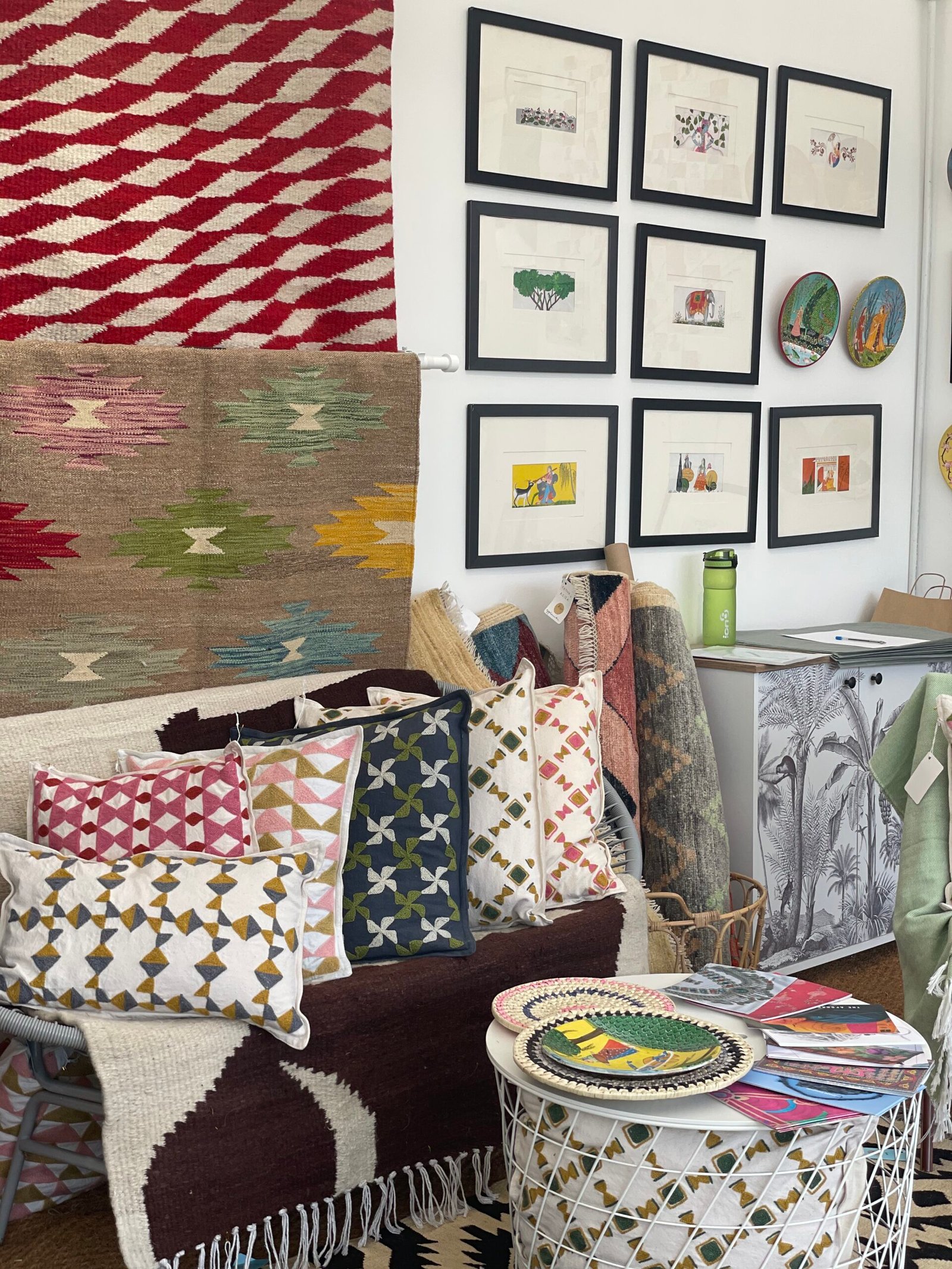
The Culture and Conflict project commercialized research outcomes to produce tangible social and economic benefits, particularly for women in conflict-affected regions such as Afghanistan, India, Pakistan, and Sri Lanka. Rather than focusing solely on academic outputs, the project used a cultural mapping methodology to identify valuable local knowledge and cultural practices – especially those passed along matrilineal lines – and pivoted these toward action-oriented strategies that foster economic development and empower women through sustainable livelihoods. This commercial aspect was driven by country-based partners, who were working at the intersections of conflict and poverty from a gendered inequality lens. Partner organisations co-designed this project and aligned their ambitions to the Women, Peace and Security Framework which emphasizes the crucial role of women in all stages of peace and security processes, from conflict prevention and mediation to peacekeeping and reconstruction.
The commercialisation process focussed on locally valued, culturally significant practices, and involved the following approaches:
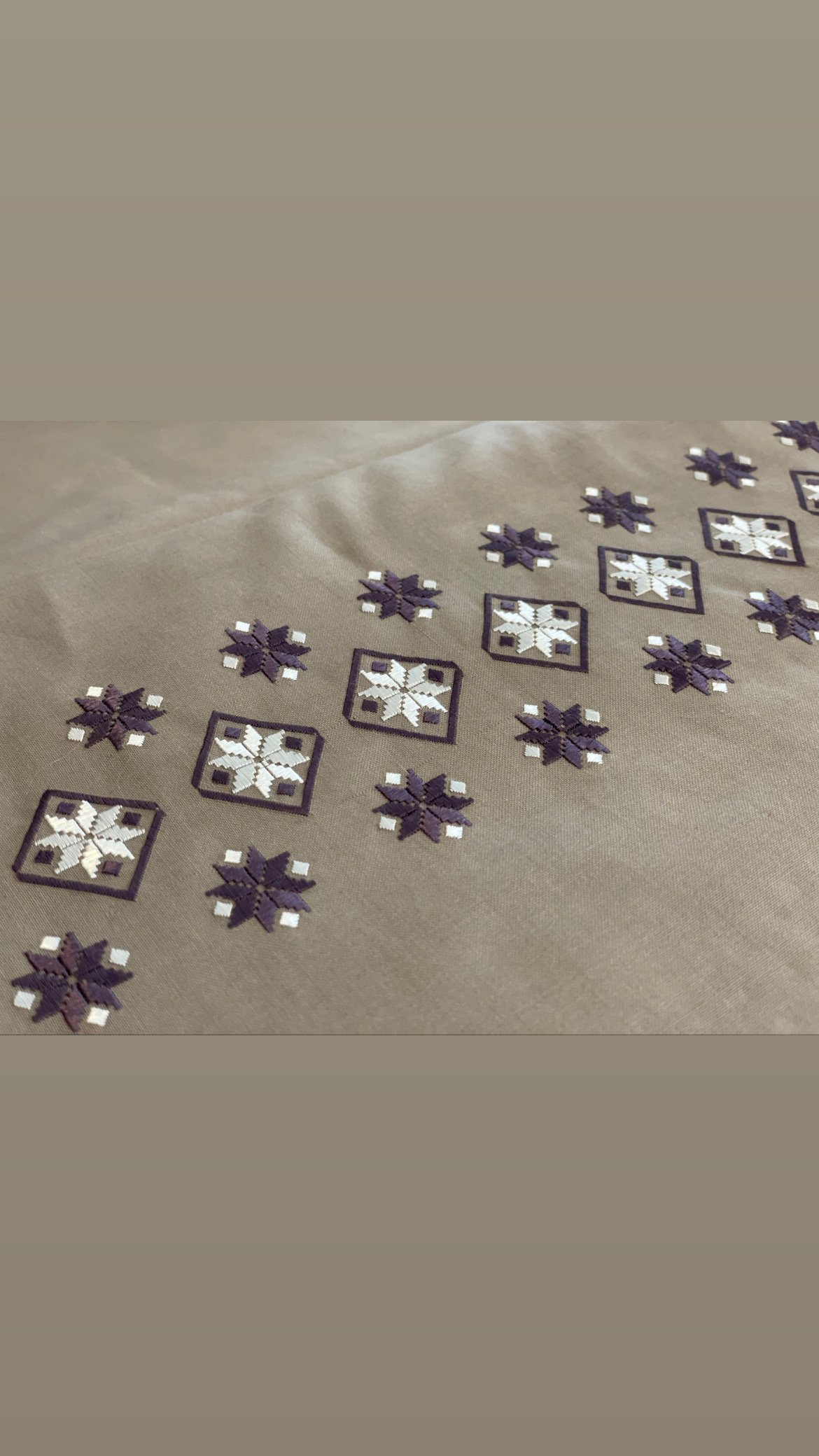
• Transforming Knowledge into Livelihoods: The project leveraged culturally rooted craft-making skills and knowledge for economic agency. By connecting traditional skills based on tacit knowledge into market-based employment narratives, participants gained both empowerment and income, translating intangible cultural values into tangible economic outputs.
• Action-Oriented Methodology: Rather than keeping insights as theoretical, the project design ensured research was action-based—aiding community partners in building new pathways to employment and entrepreneurship, especially within the informal sector allowing for tangible outcomes to be designed and delivered.
• Co-production and Equity: The approach prioritized equitable collaboration with local partners and participants, treating them as co-creators rather than mere data subjects. Locally driven leadership helped ensure that commercial benefits were not extractive but were retained and shared by the communities themselves.
• Agility and Responsiveness: Through major events—such as political crises, climate disasters, and pandemics—the commercialisation strategies were agile, recalibrating to ensure that no undue burden was placed on participants. This responsiveness promoted sustainability and continued value even amid disruption.
This model of commercializing research demonstrates how our research project blurred the line between academic knowledge production and real-world economic benefit, promoting decolonial, non-extractive partnerships while tangibly improving participants’ livelihoods. It is characterized by ethically grounded, context-sensitive, and practically impactful commercialization.
Training and materials gallery
-

- ìL
Phases of Research Commercialisation in the Culture and Conflict Project
1. Preliminary Cultural Knowledge Assessment
1.1 Cultural Mapping: Systematic identification and documentation of indigenous knowledge, practices, skills, values, and cultural meanings within the target communities.
2. Resource and Competency Analysis
2.1 Skills Mapping: Evaluation of participants’ artisanal and craft-related skills and assessment of their alignment with existing and potential product supply chains.
2.2 Supply Chain Mapping: Analysis of supply chain structures, focusing on circularity, evolving processes, and embedded power relations.
3. Capacity Building and Product Development
3.1 Product Design Training: Delivery of hands-on workshops on pattern construction, design principles, and colour theory to elevate craft quality and foster innovation.
3.2 Material Exploration: Experimental research on materials, product typologies, raw material sourcing, and usage patterns, assessing their impact on production costs, sustainability, and product value.
3.3 Prototype Development: Iterative process of thematic development—including narrative, chromatic palette, and product category refinement—culminating in the creation of market-ready prototypes.
4. Market Research and Positioning
4.1 Market and Retail Analysis: Comprehensive surveys of local, regional, and international markets for craft products, including market segmentation, pricing structures, payment terms, delivery and return policies, and volume analysis.
4.2 Pricing Strategy: In-depth exploration of production costs, labour valuation, time auditing, material procurement, and ancillary expenses to establish equitable margins.
5. Marketing Strategy and Brand Communication
5.1 Marketing Training: Instruction in core sales and marketing techniques—encompassing promotional strategy, public relations, personal selling, and direct marketing—to enhance product visibility and competitive advantage.
5.2 Social Media Marketing: Training in the utilization of digital platforms for product promotion, community engagement, and direct sales, including platform dynamics and best practices.
6. Market Entry and Dissemination
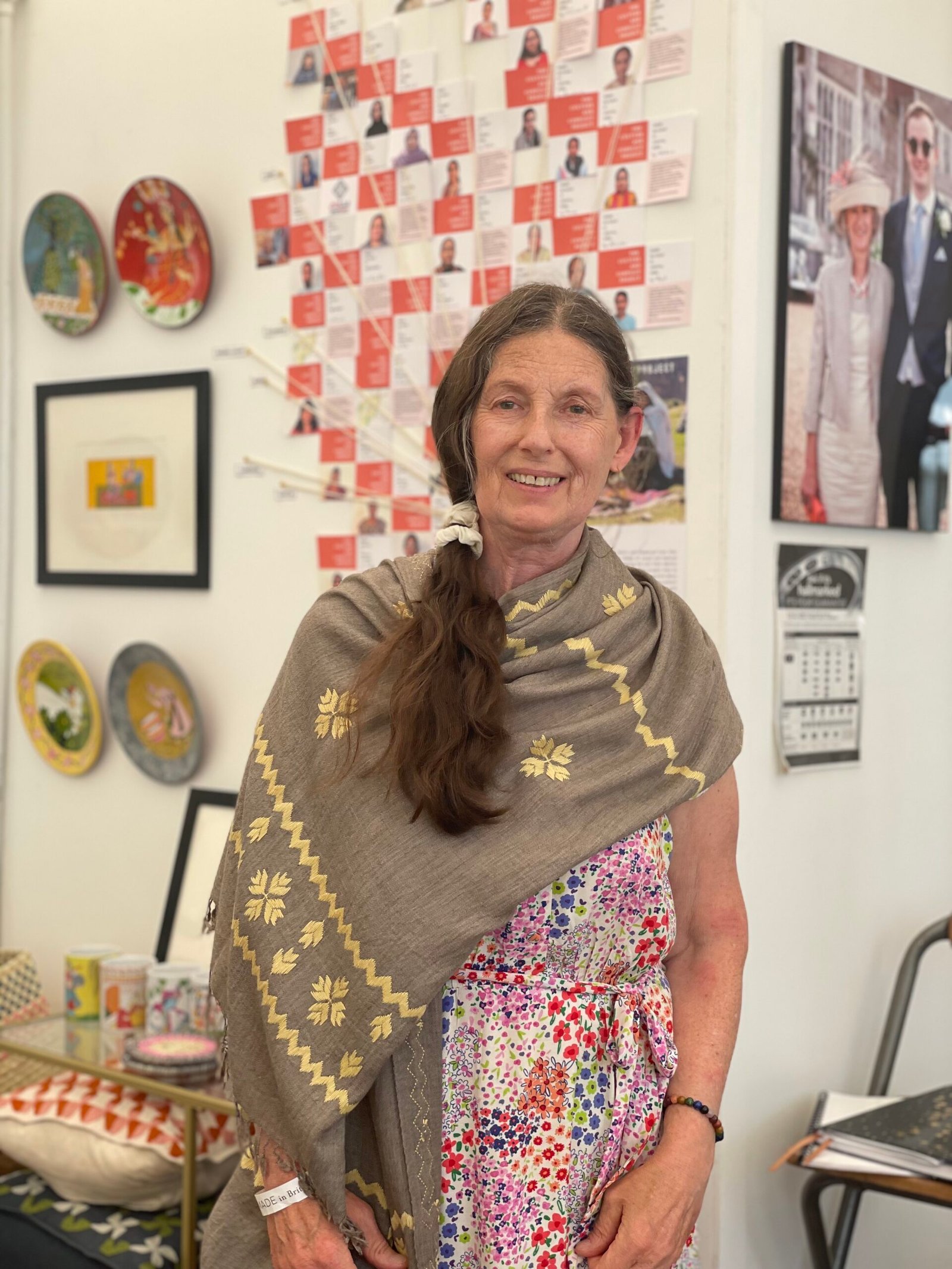
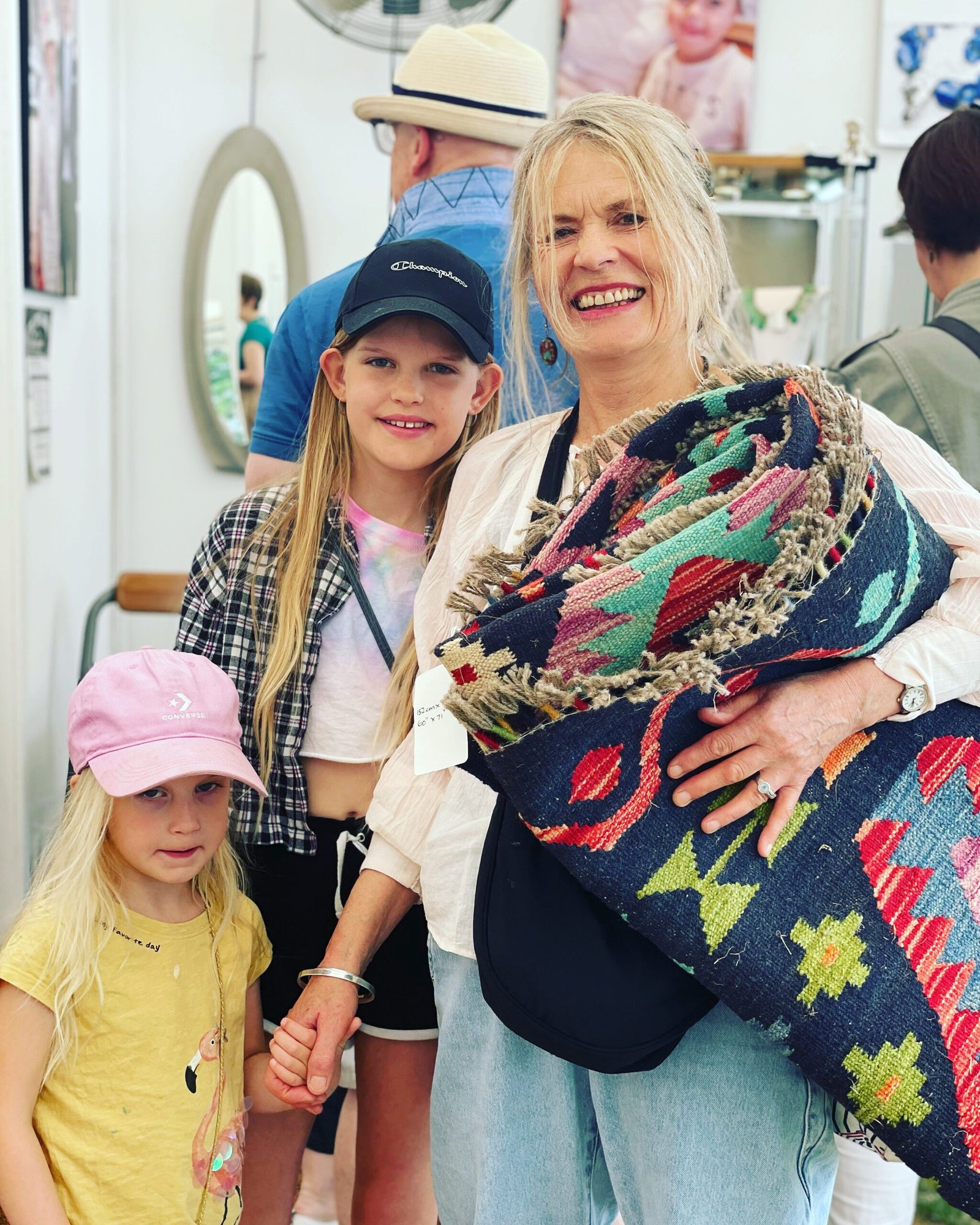
6.1 Exhibition and Product Soft Launch: Initial product exposure through participation in international events (e.g., UN Committee on the Status of Women, New York, March 2023) to assess market response and establish initial brand presence.
6.2 Iterative Product Refinement: Implementation of feedback mechanisms—both group-based and individualized—to inform ongoing product design and facilitate readiness for trade logistics and distribution.
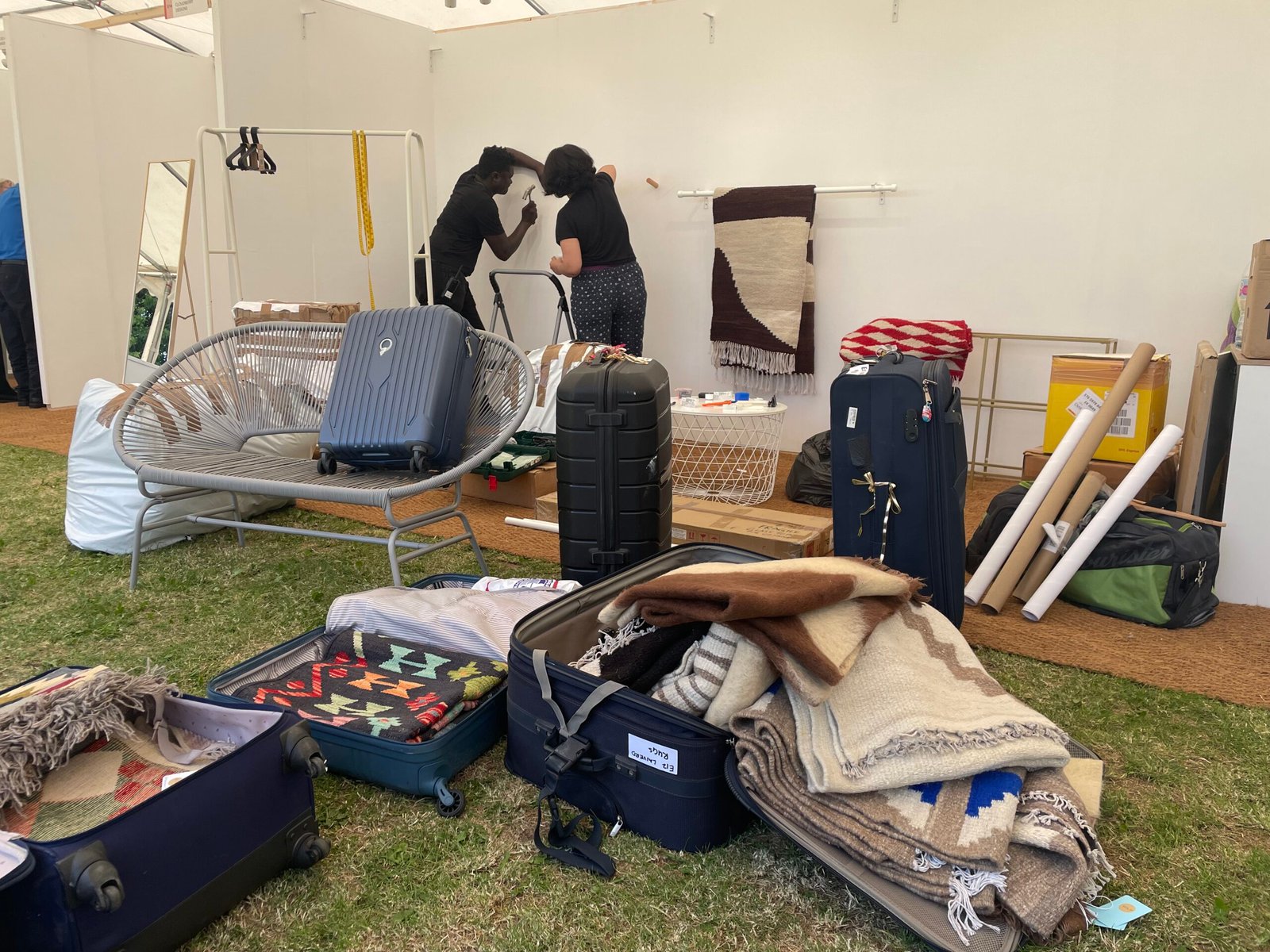
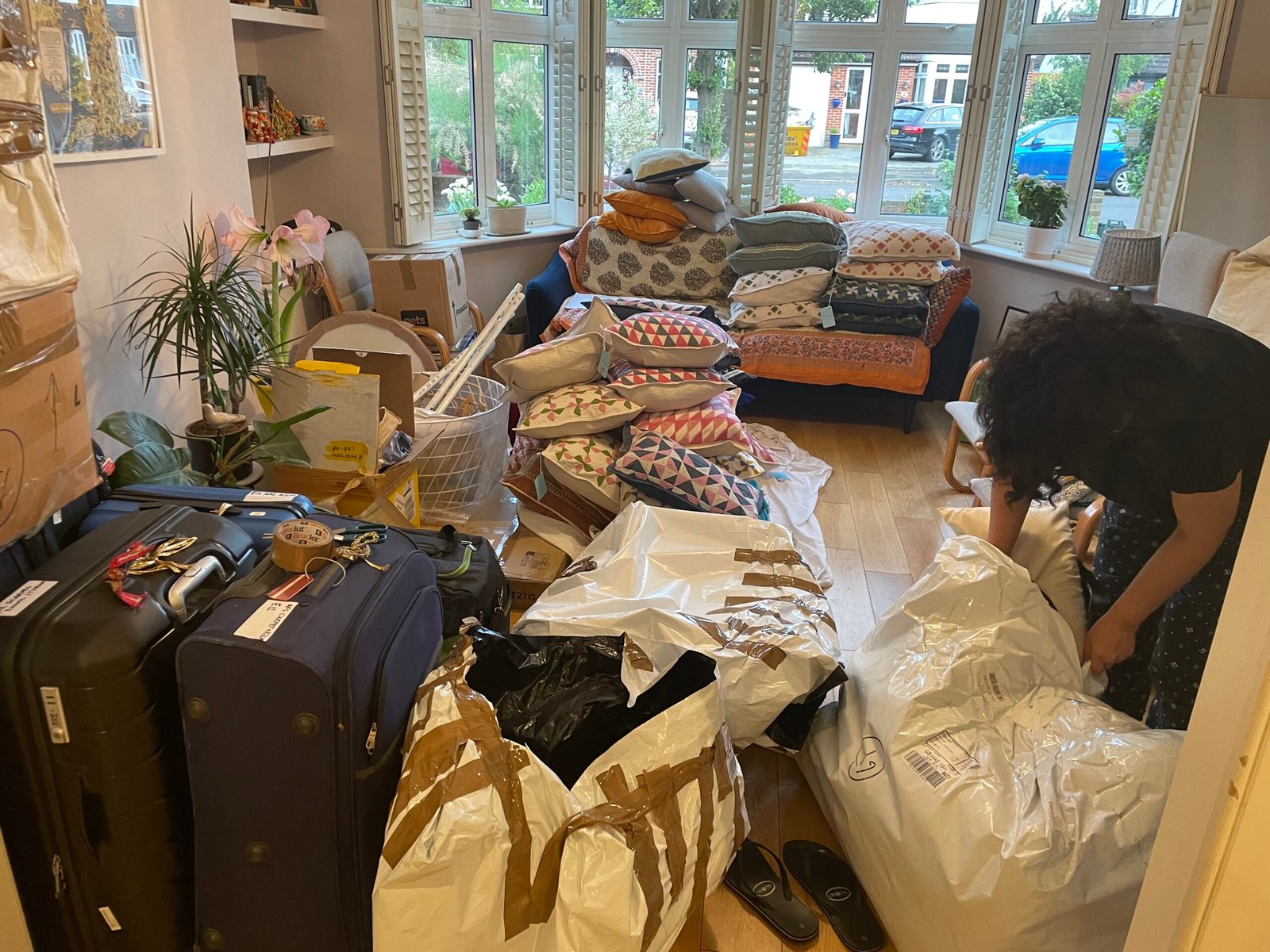
6.3 Major Exhibitions and Launches: Successive product launches across prominent industry marketplaces (e.g., Handmade in Britain, Oxford and London 2023; Lok Virsa Craft Market, Islamabad 2023; CraftVoice, Surabaya 2024).
7. Commercial Operations and Post-Project Sustainability
7.1 Sales Finalization and Profit Allocation: Distribution of sales proceeds to individual producers, ensuring transparent and equitable economic benefit.
7.2 Community Feedback Mechanisms and Digital Continuity: Establishment of ongoing feedback loops and maintenance of a dedicated digital presence (e.g., Instagram @thecultureandconflictproject) to support continued engagement, knowledge dissemination, and future commercialization activities.
This formalised structure was designed to be a comprehensive, ethically grounded, and context-sensitive model for commercialising research in conflict-affected settings. By thematically categorizing each phase within an academic framework, the approach delivers a systematic transformation of cultural knowledge into market viable products—supporting both social impact and sustainable development as requested at the start of the project by partners.
Commercialisation gallery
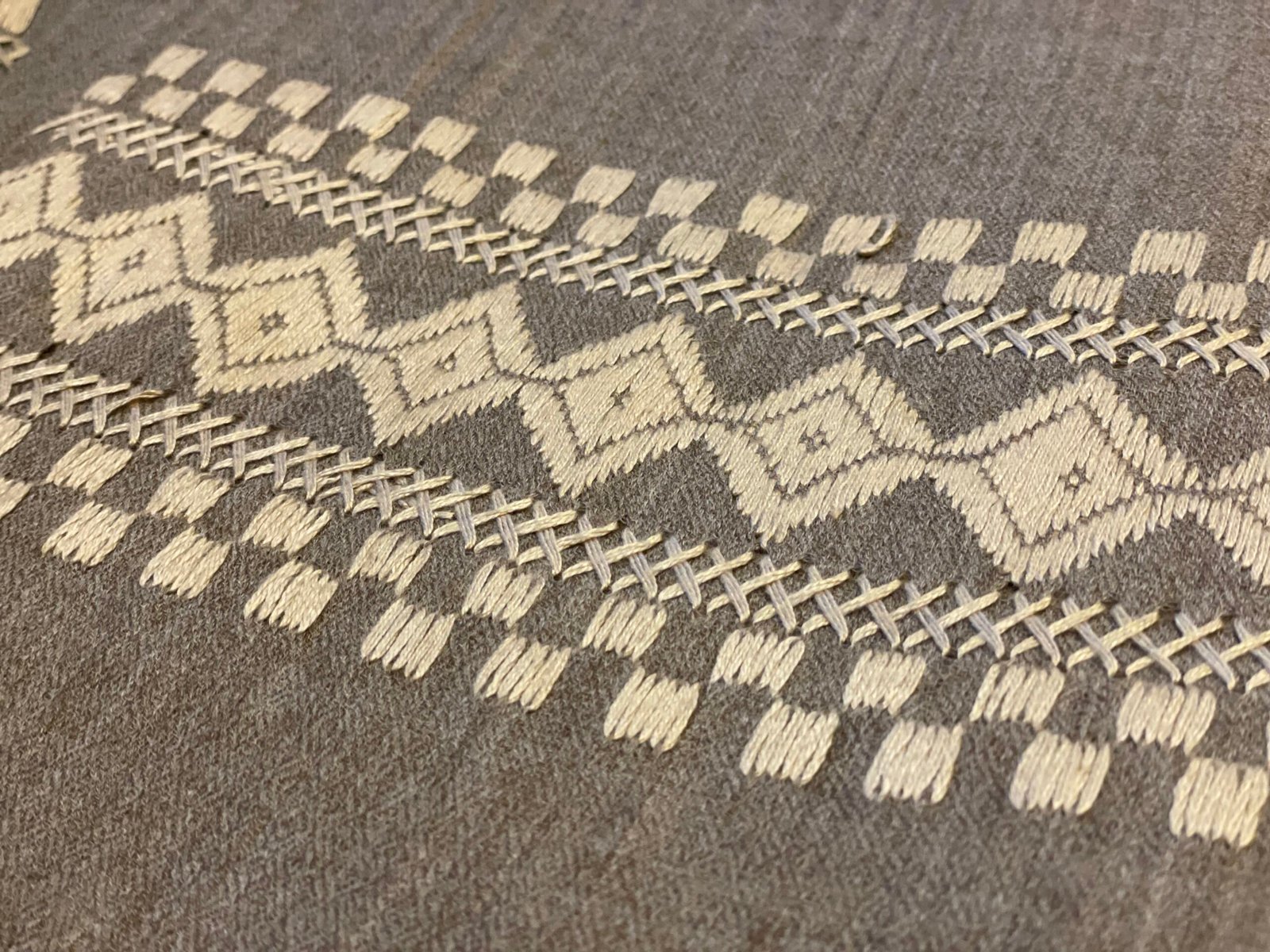
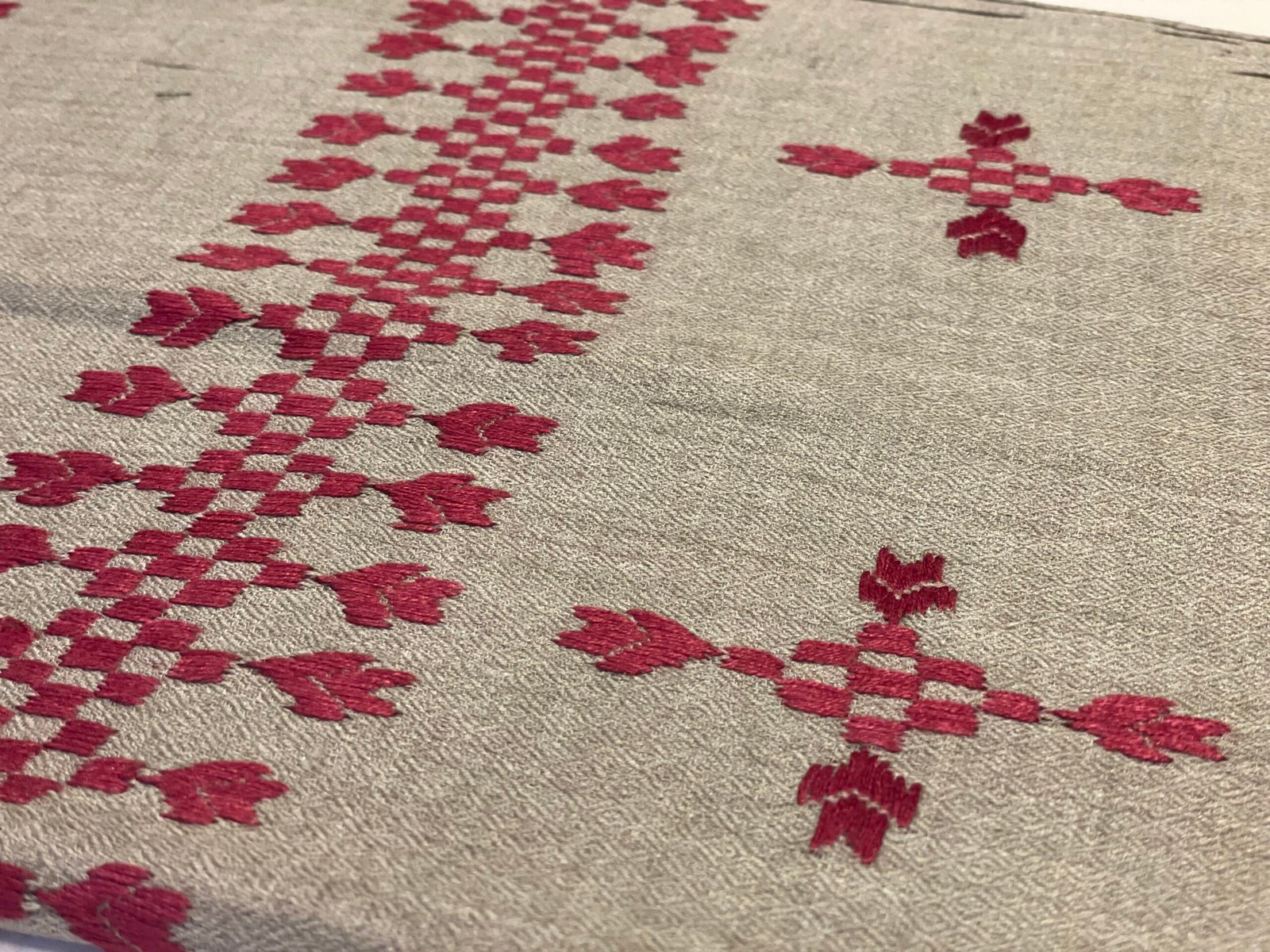
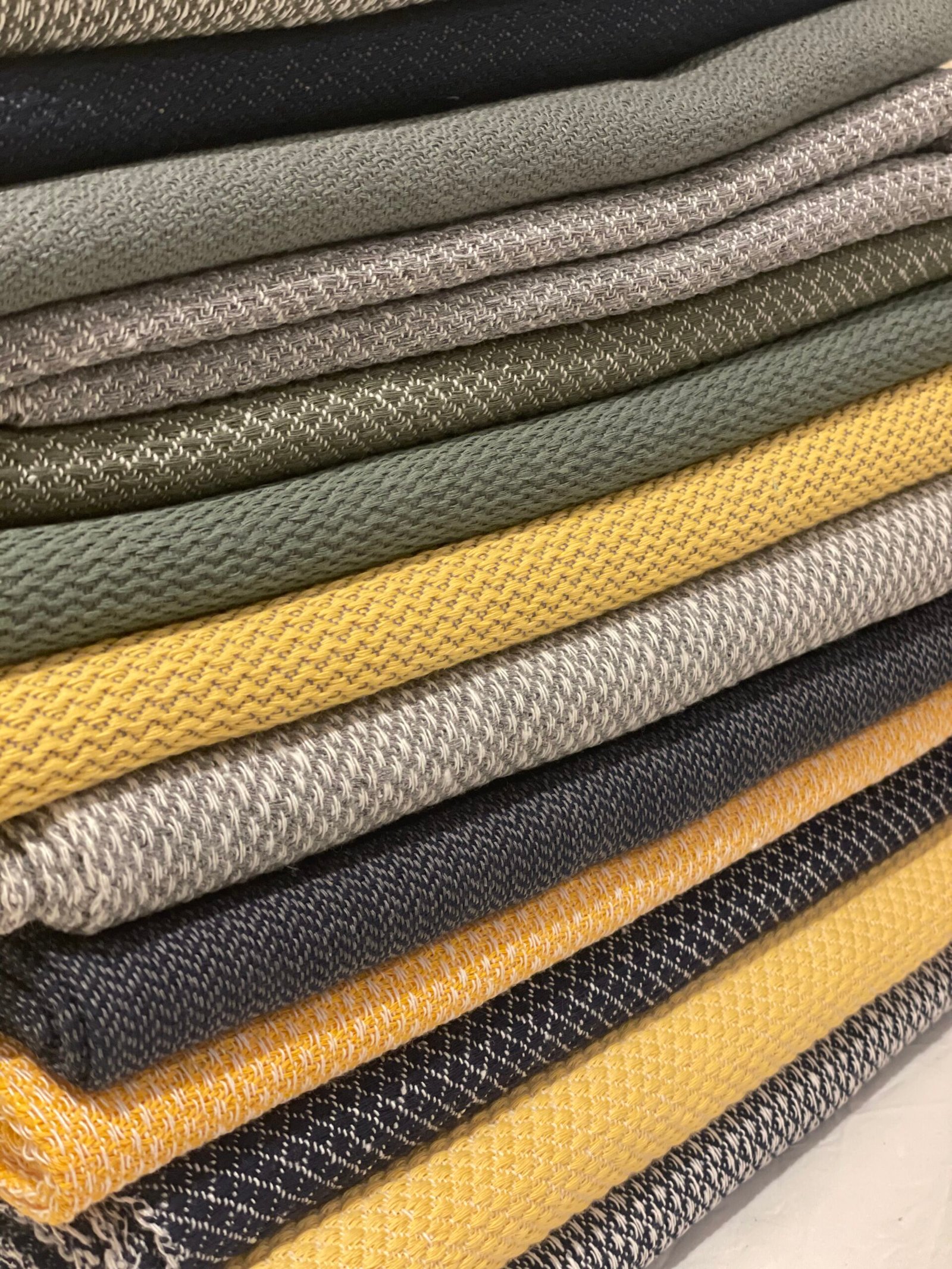
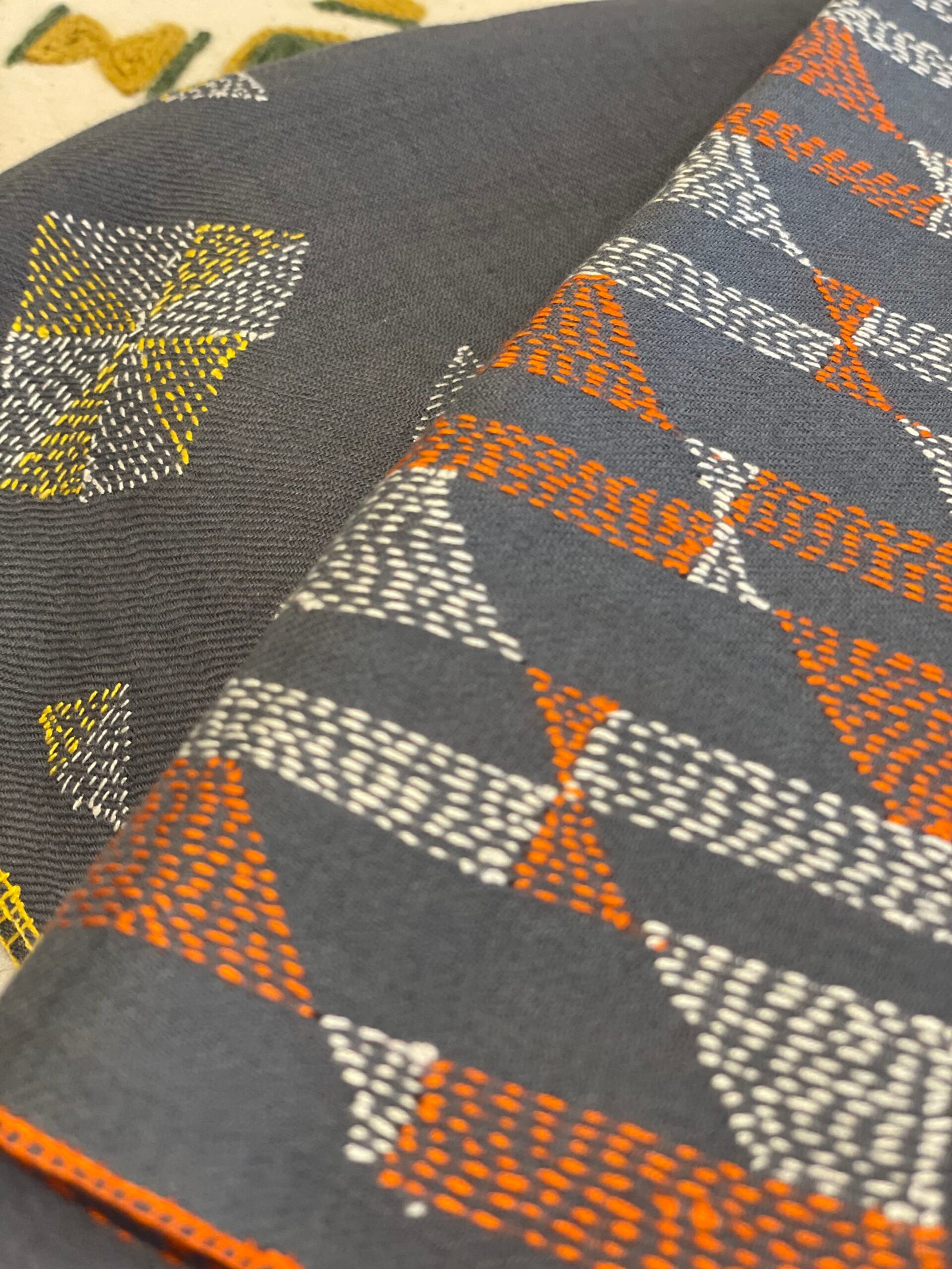
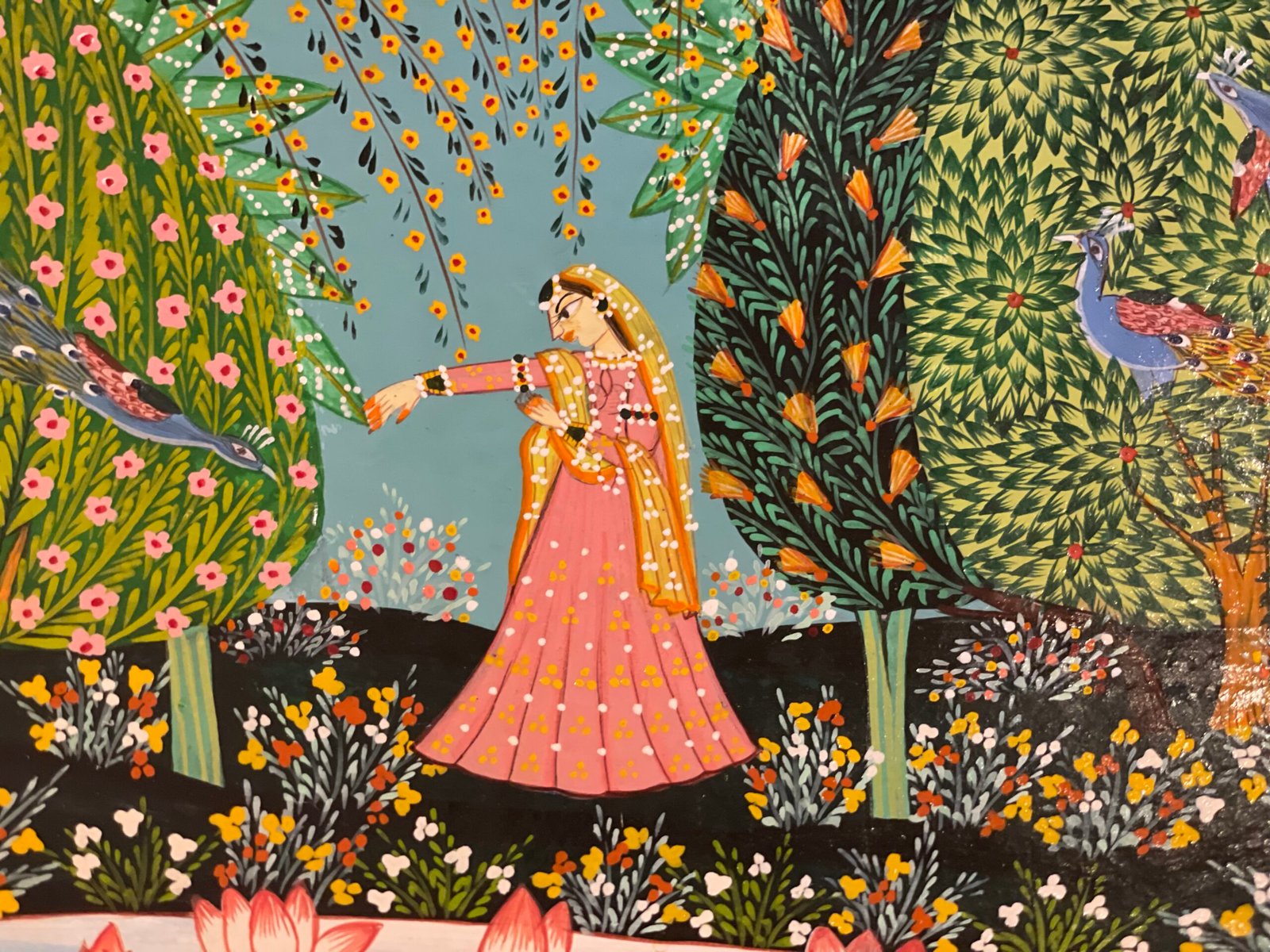
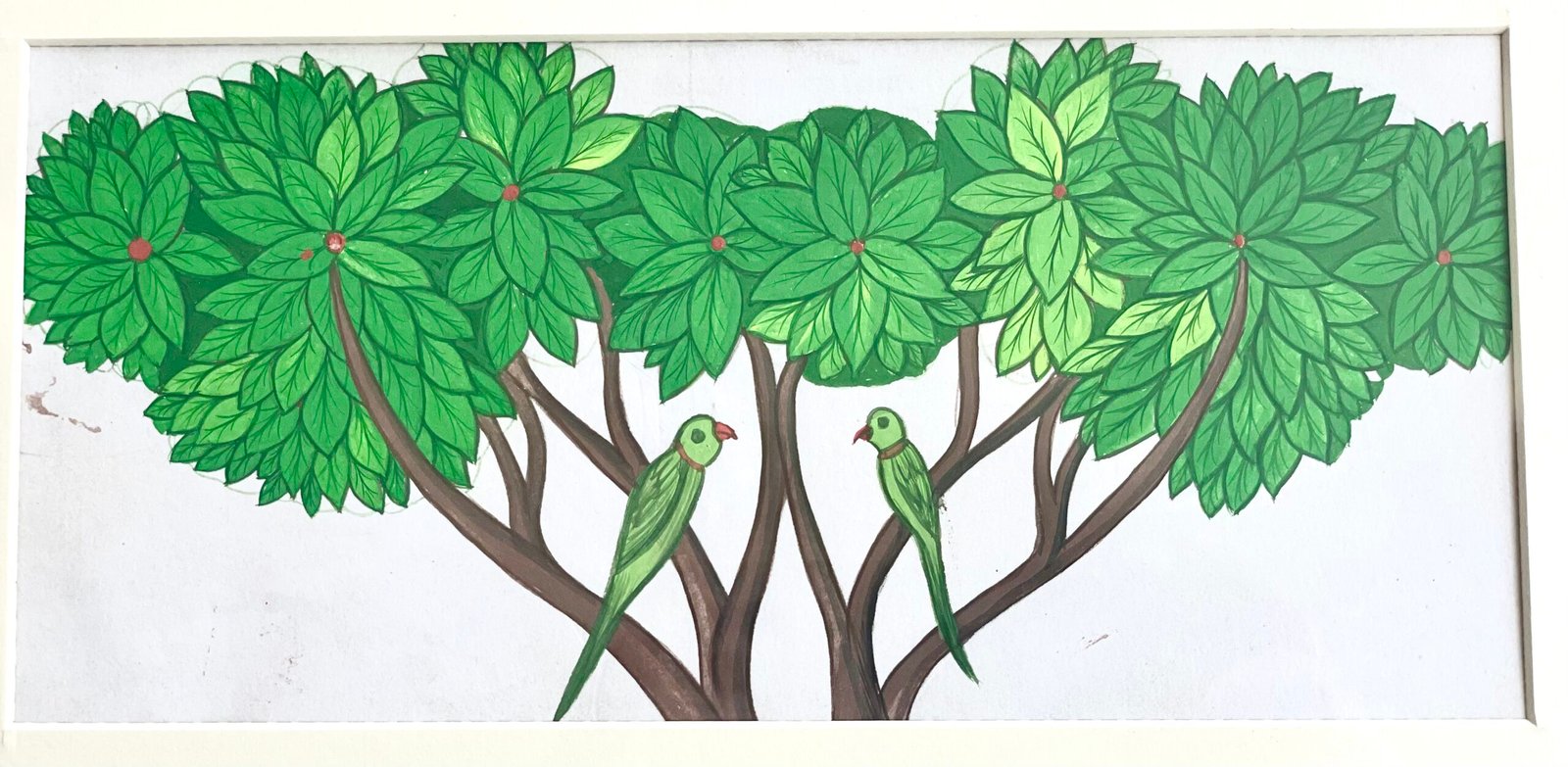
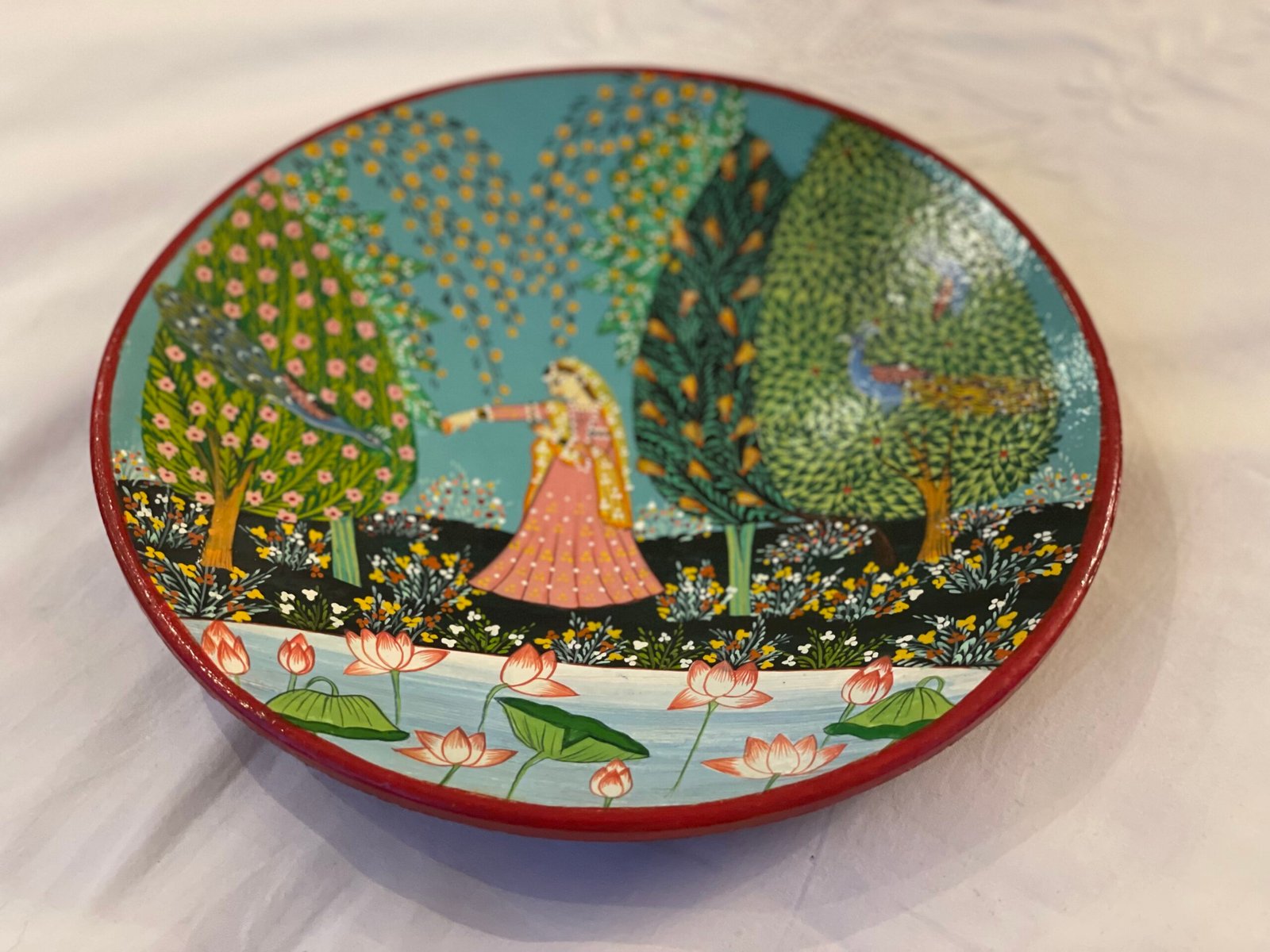
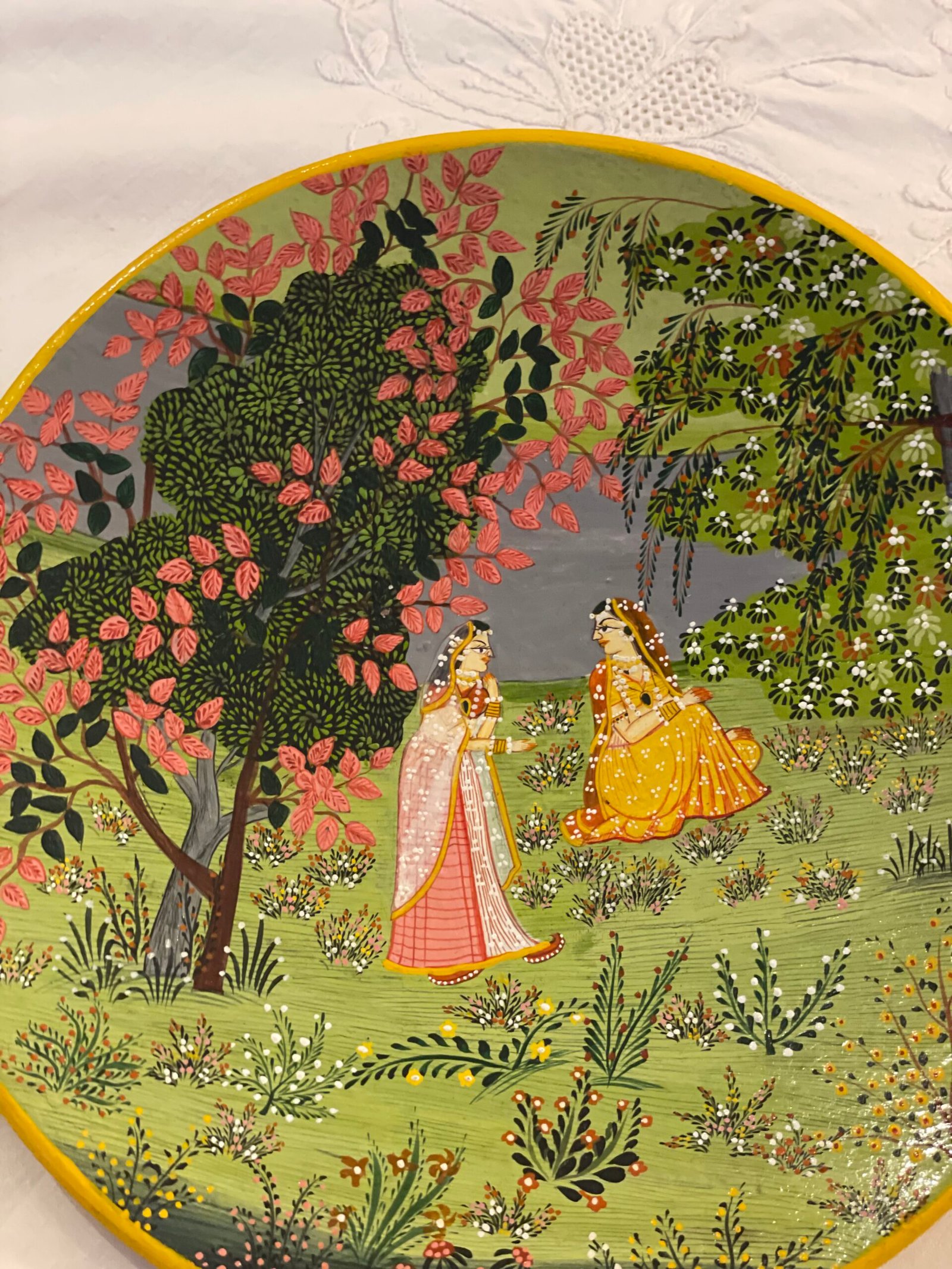
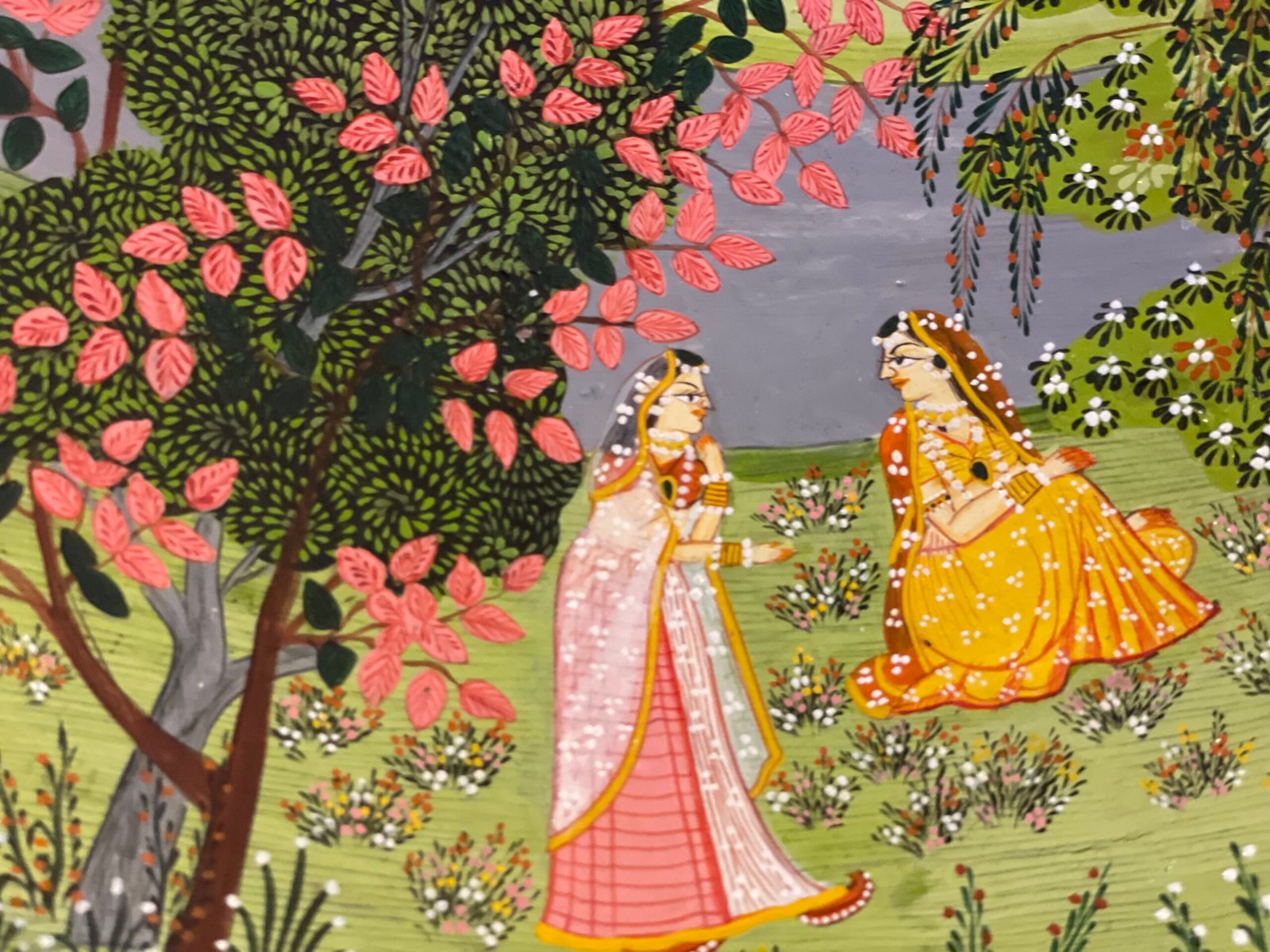
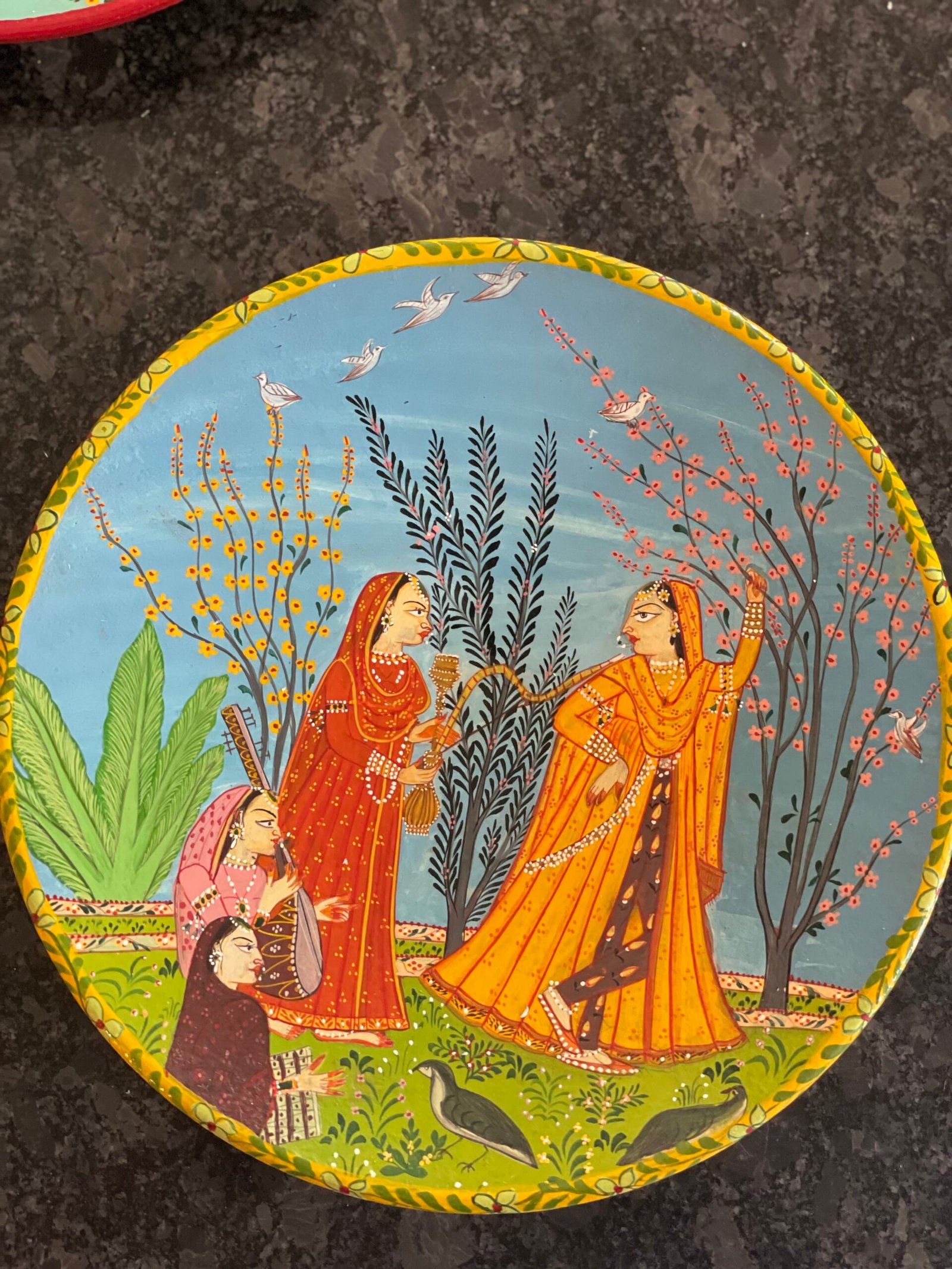
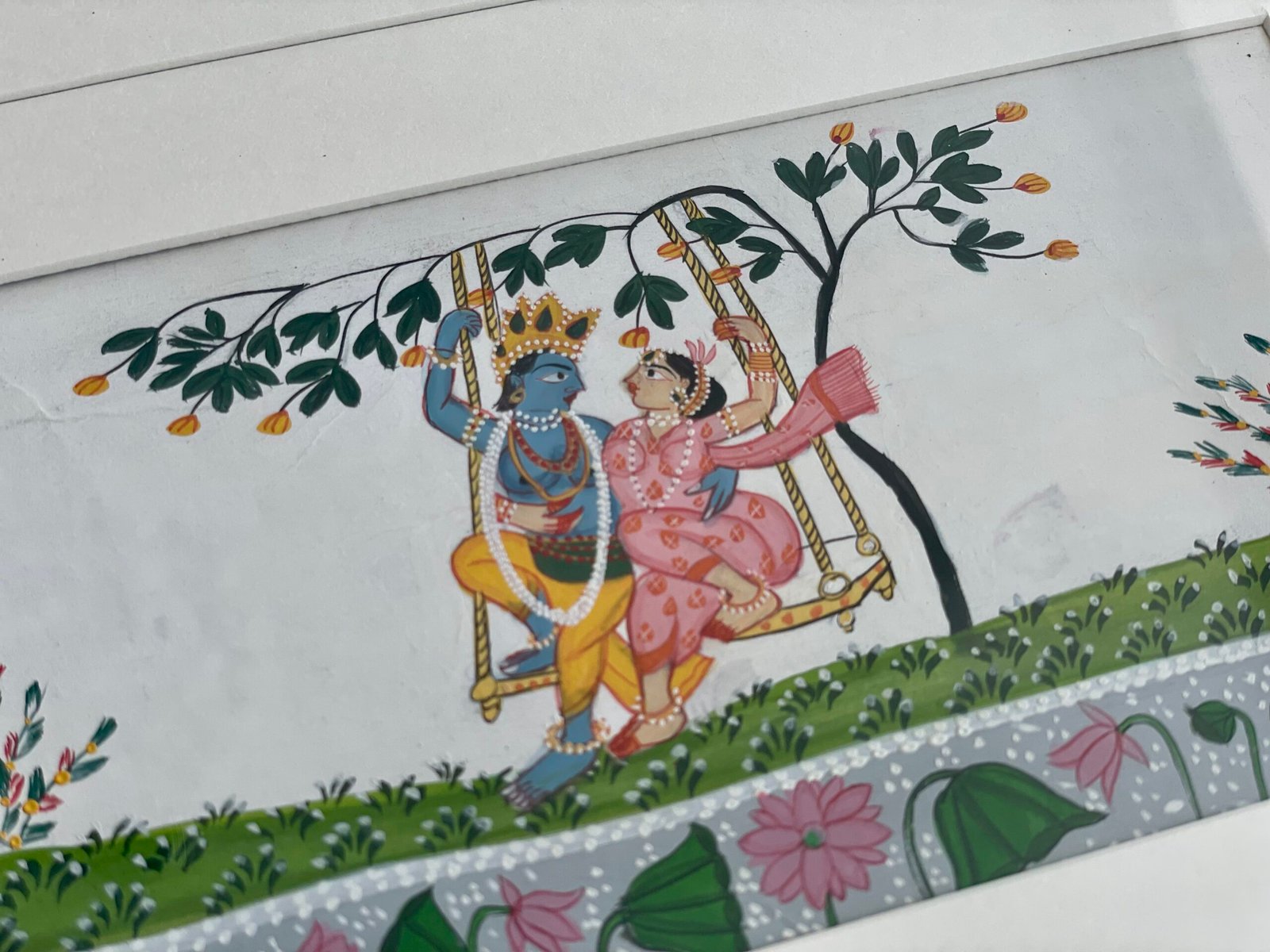
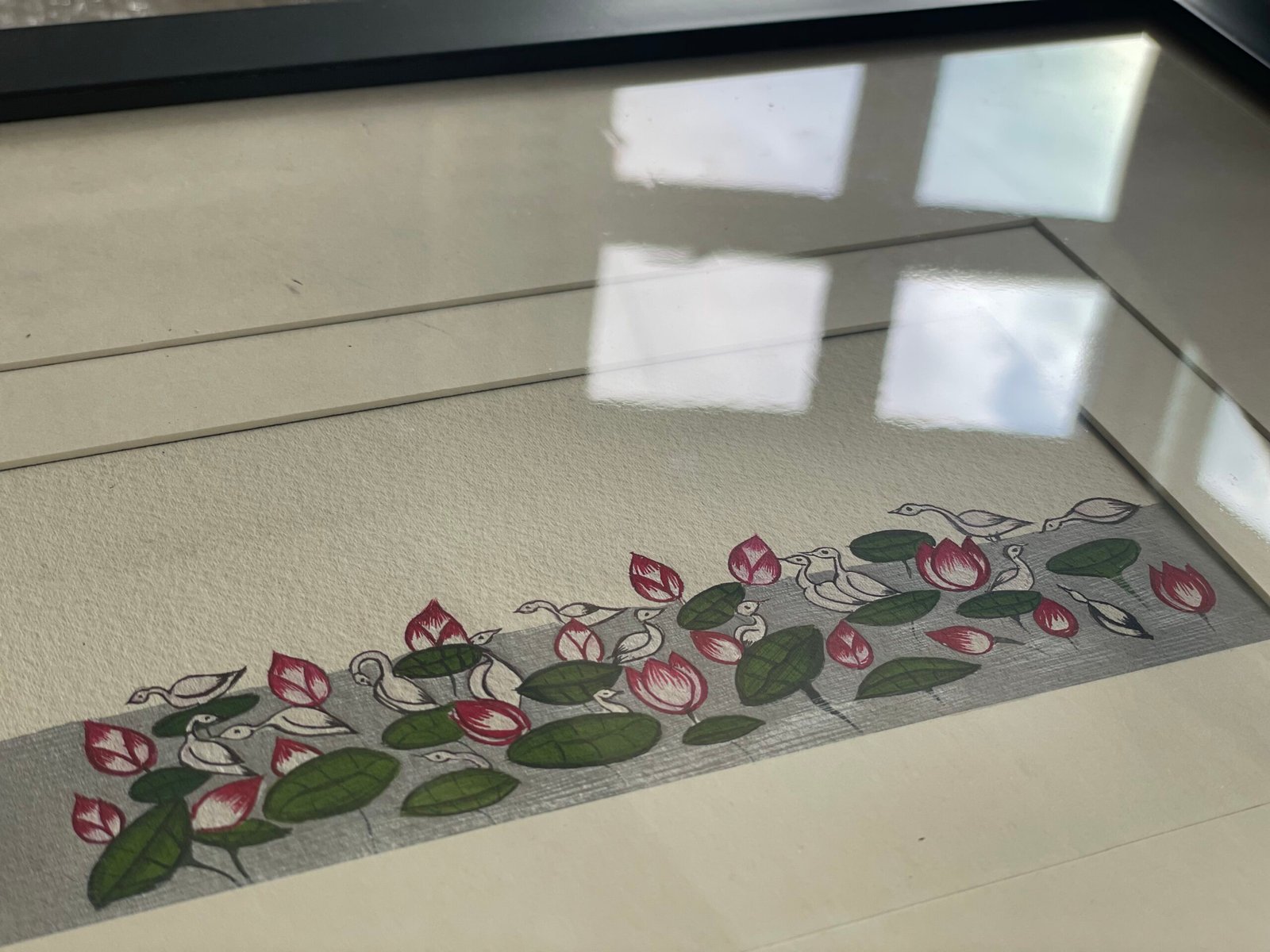

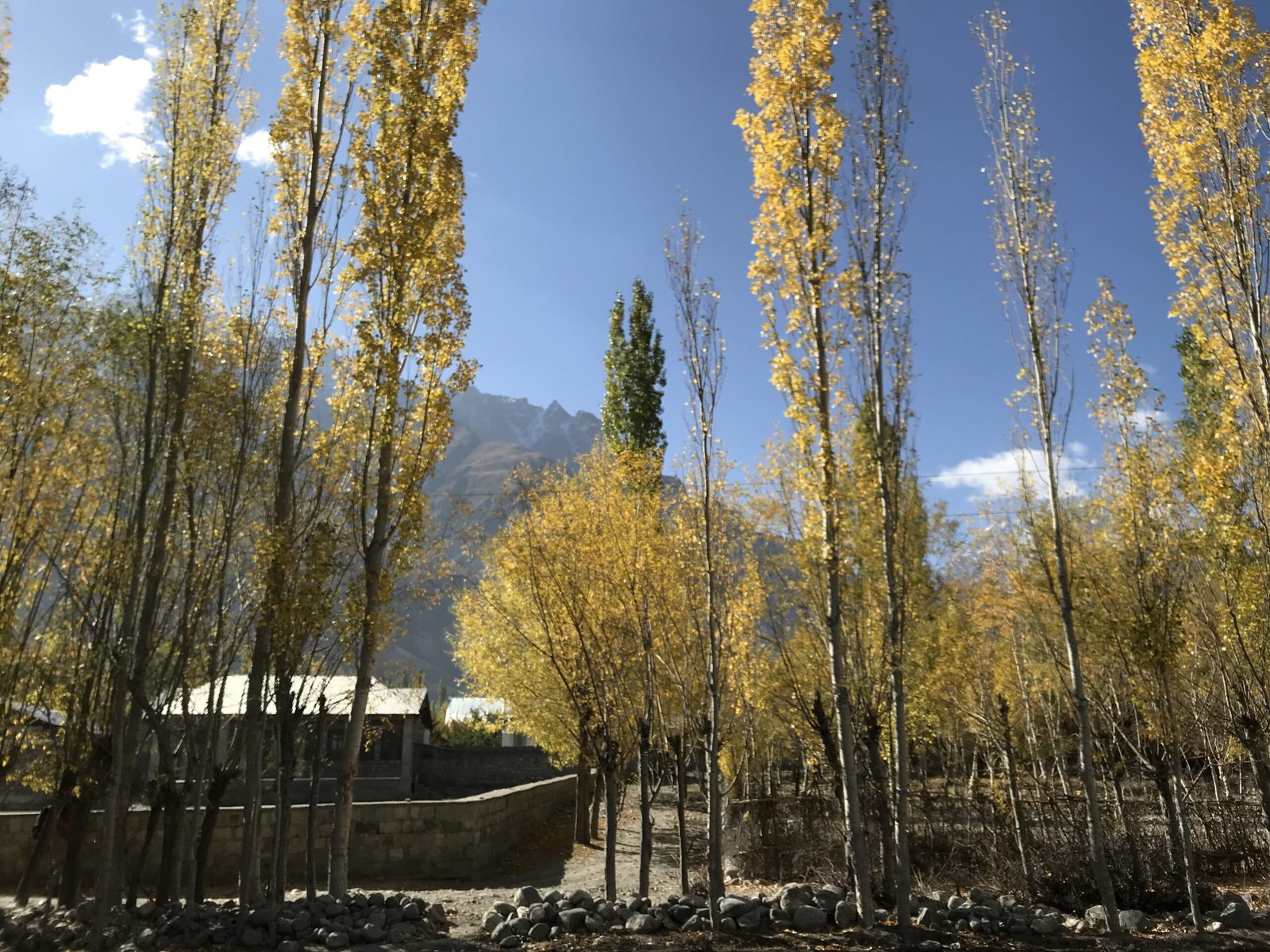
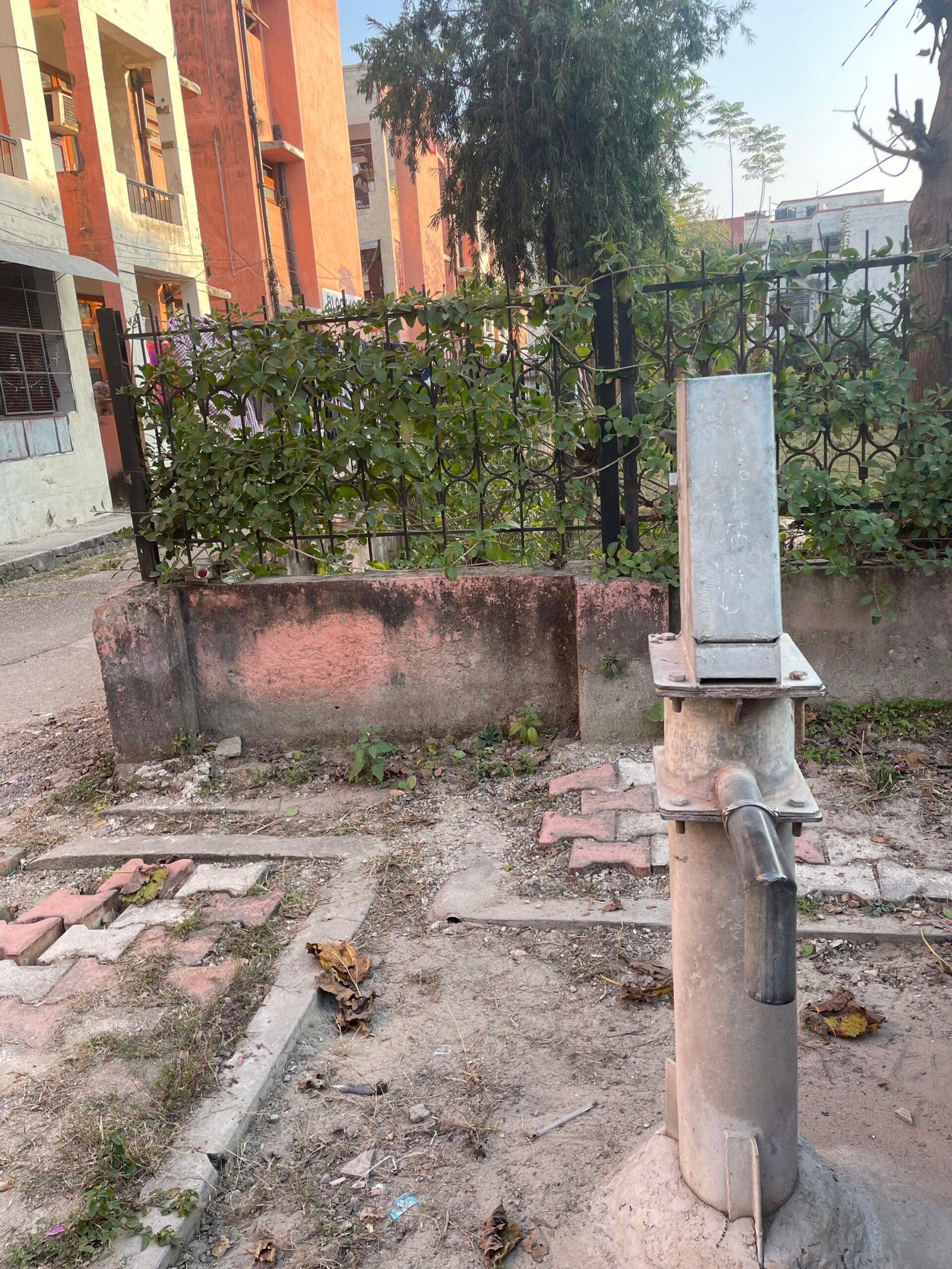
Landscapes
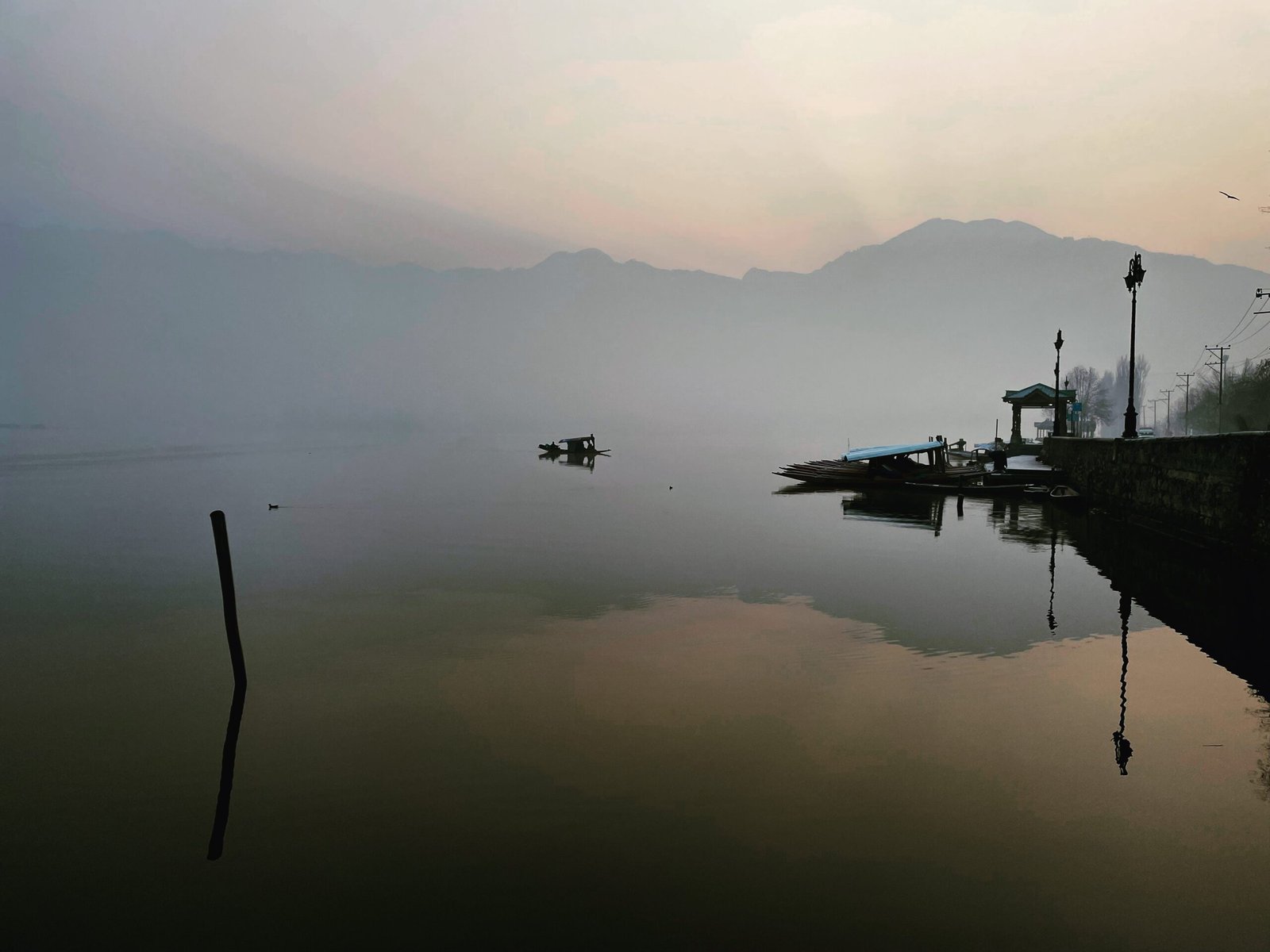
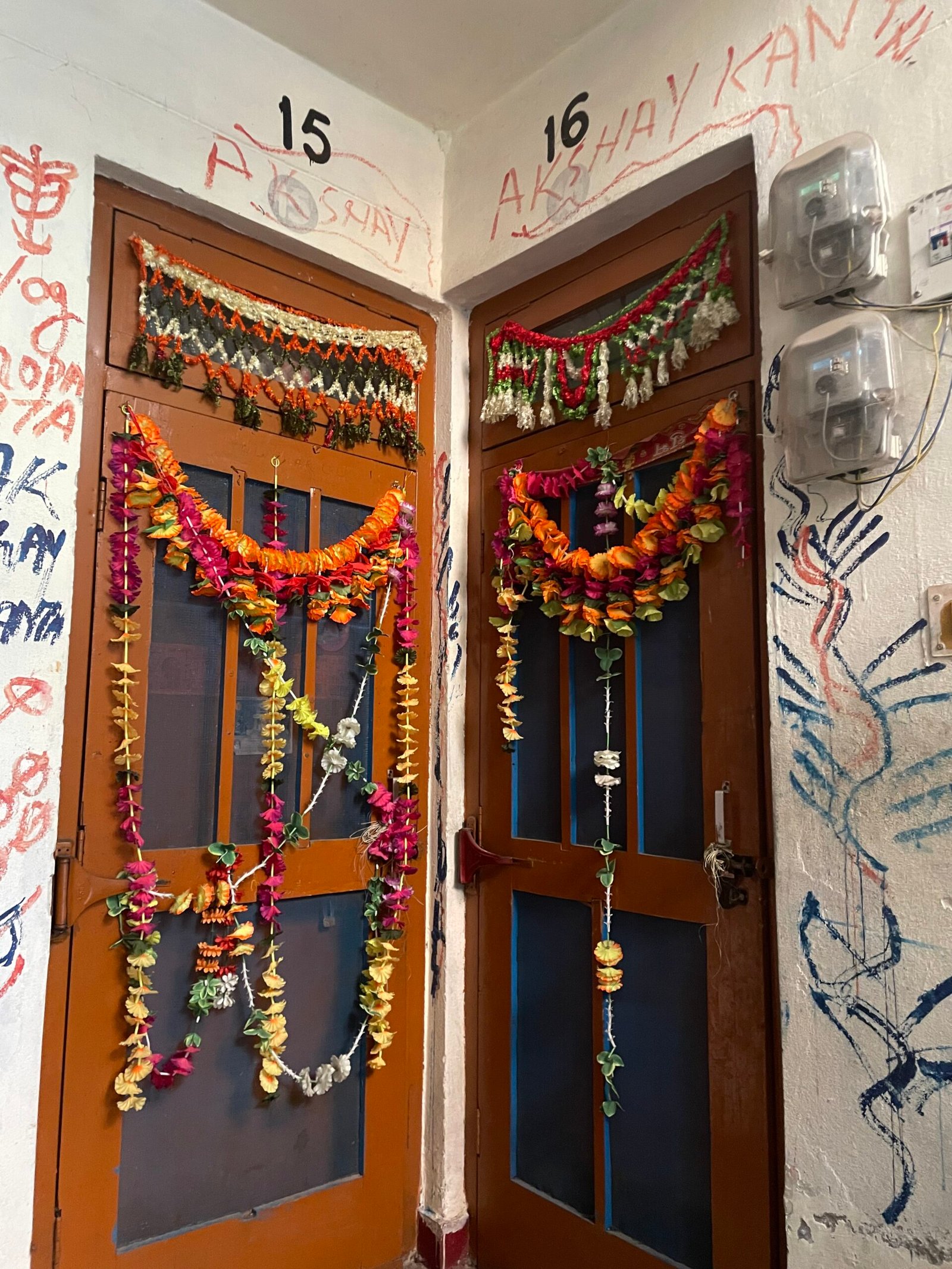
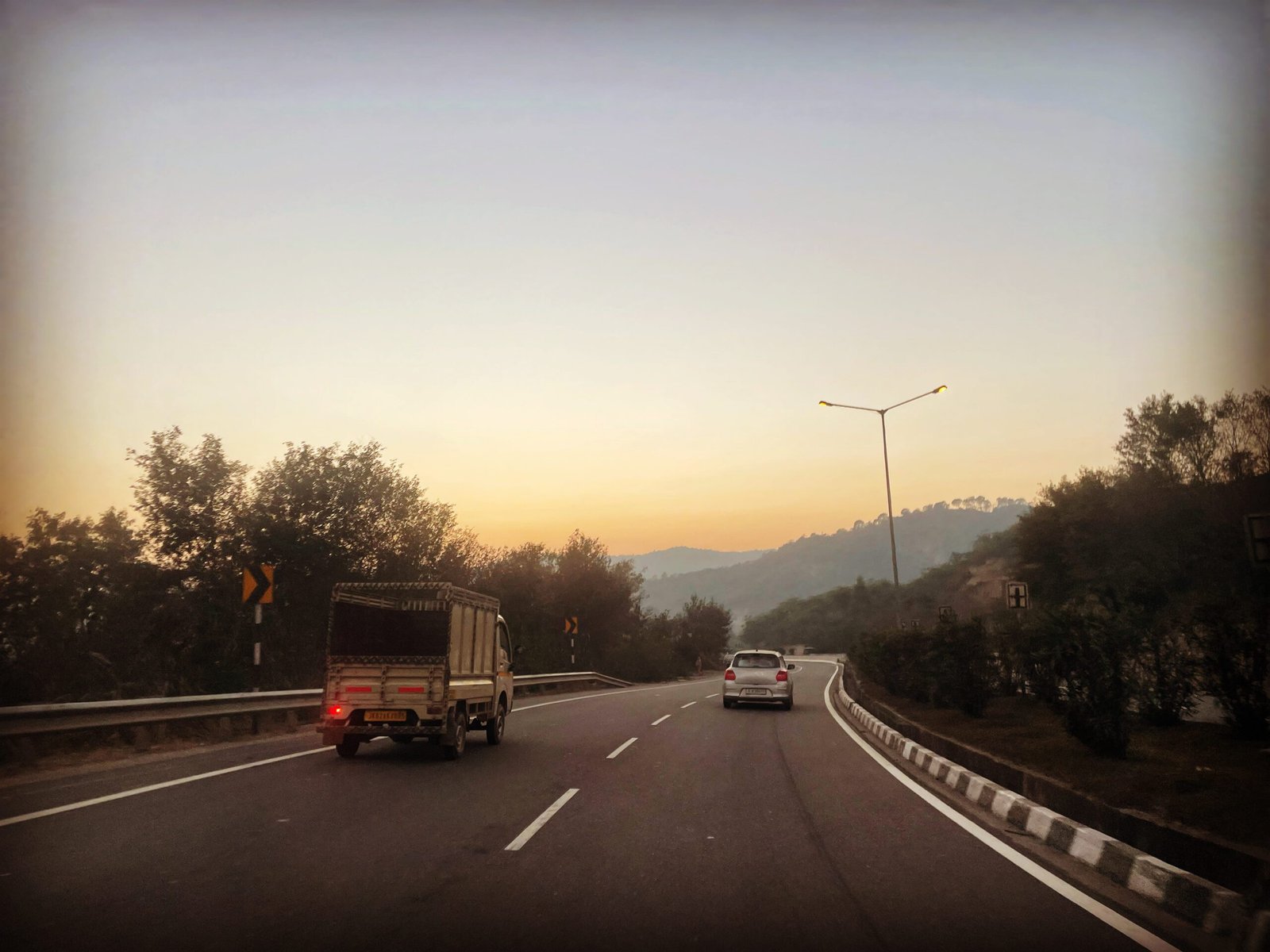
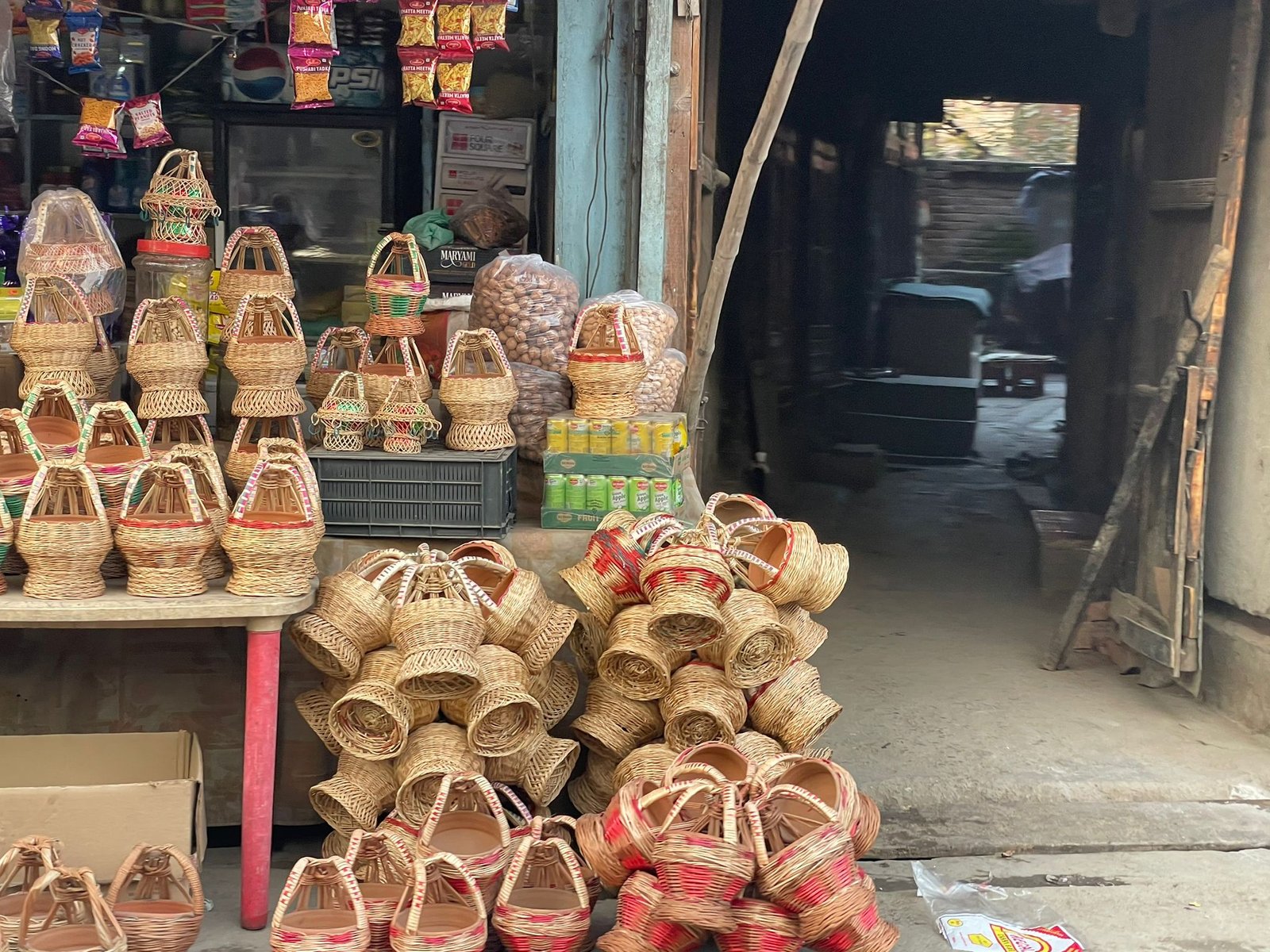
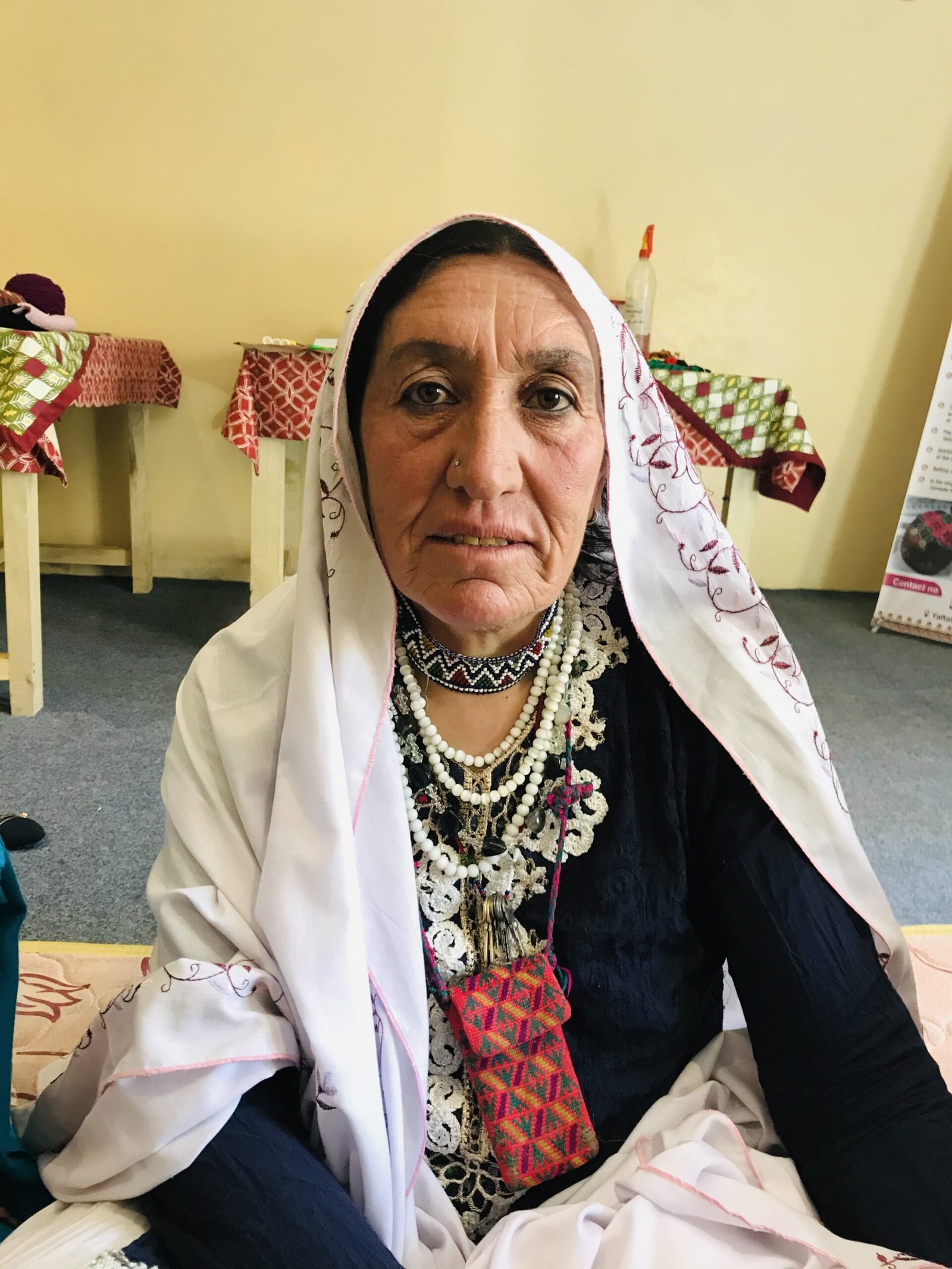
People
-
- ìL
-
- ìL
Craft gallery
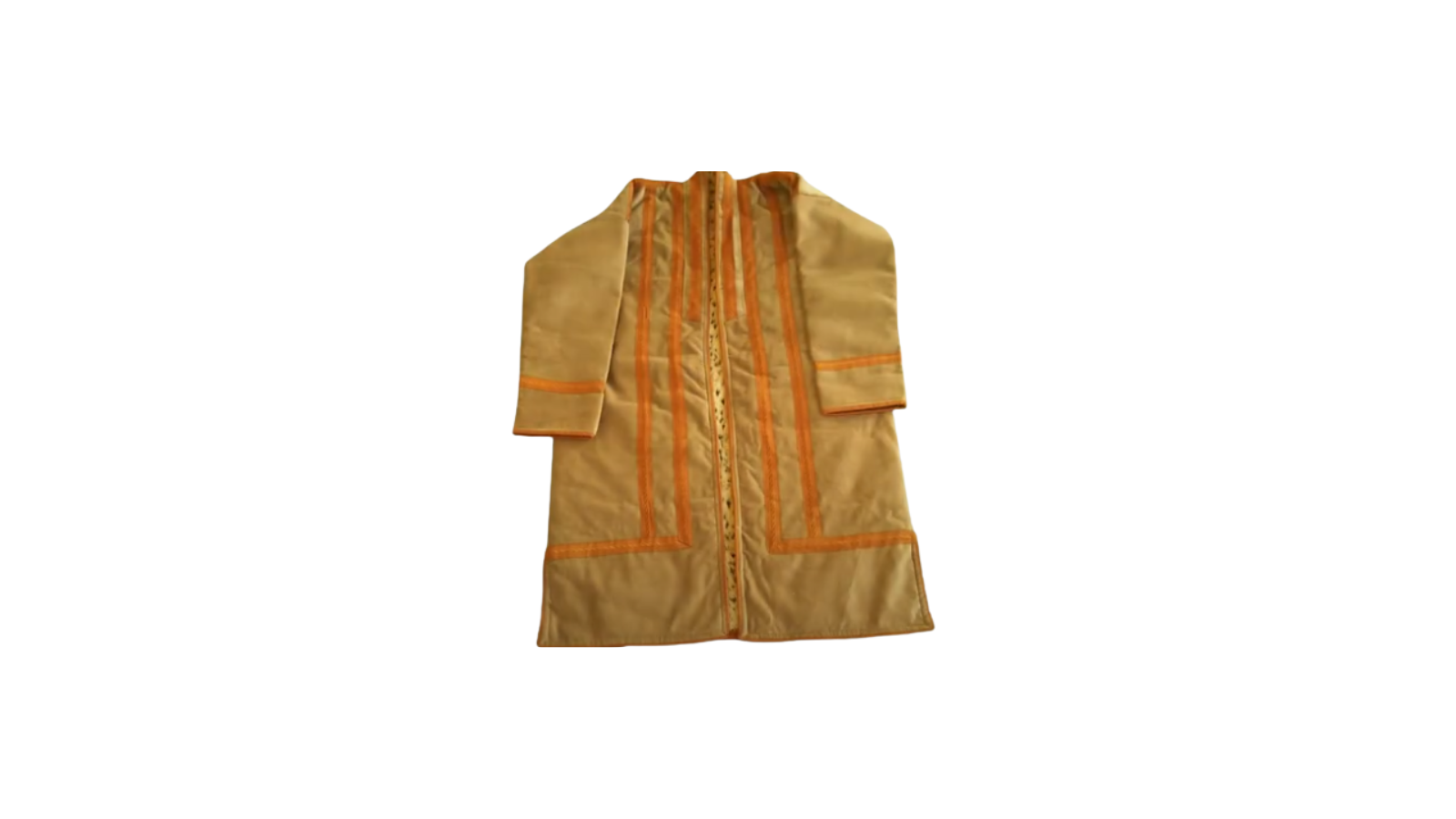
The Story of Shoka
The Story of Qualeen

The Story of Khamak Dozi

The Story of Bafabdagi

The story of Sitaar

The story of Lachka Topi

The story of Gabba Kadai

The story of Astari

The story of Rope

The story of Khamta
The story of Dhaga
Resources
Creative Economies of Culture in South Asia: Craftspeople and Performers
Much has been written about Kashmiri crafts: their history and provenance, their value to the community that makes and sells them, and about those who buy into the notion of handcrafted. What is seldom examined, however, is the changing nature of these crafts and how […]

Shafeeqa: Mends a future, one motif at a time
This case study shares the experience of Shafeeqa, a master artisan from the Anchar Lake area of Srinagar, who has worked in traditional Sozni and Tilla embroidery for over four decades. Despite living through persistent poverty, political instability, and conflict-related disruptions in Kashmir, she used […]
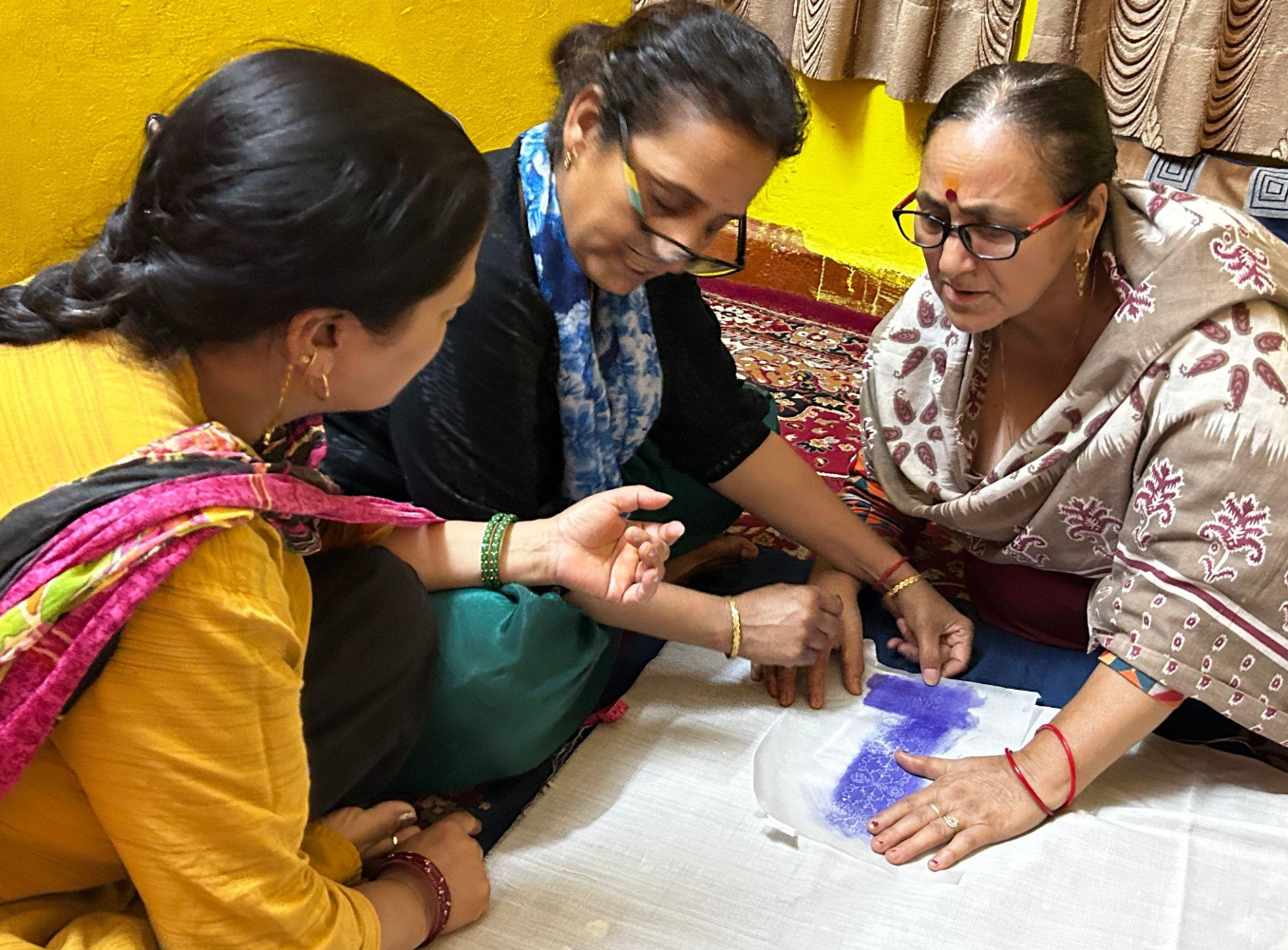
Crafting Resilience: Basanti’s Journey of Healing and Empowerment
This case study documents the experience of Basanti, a displaced woman from Kashmir who has navigated multiple challenges linked to conflict, displacement, and economic insecurity. Following her relocation to Jammu in the early 1990s, Basanti and her family experienced prolonged instability across various refugee camps, […]
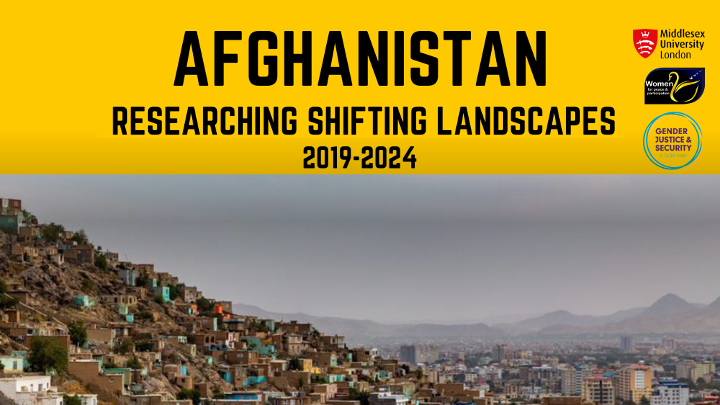
Afghanistan: Researching shifting landscapes
Afghanistan: Researching Shifting Landscapes (2019–2024) follows the work of the Afghan Solidarity Coalition, a global partnership of scholars and practitioners, and the resilient women artisans of Afghanistan as they navigate profound environmental, social, and economic changes. Through these intimate vignettes, woven together by a dedication […]