Kurdistan
Labour and migrant workers
What we found
Variation
Migrant women in Kurdistan work in a variety of sectors and have a range of skills. Many work in households, hospitality, education (international schools and universities), beauty, NGOs, and business and have migrated from North America, Europe, Africa, South Asia and neighbouring countries in the Middle-East. South-South migration includes both highly educated and skilled women (Iran, Pakistan, South Africa, Syria), as well as less skilled waitresses and domestic workers (Ghana, Indonesia).
There are very different regulations of work. Service workers are regulated under the kafala system with a guarantor, while skilled workers have contracts with their employers. Refugees from neighbouring countries have the right to work granted by the KRI government. Among migrant domestic workers, salaries vary according to nationality with Filipinas receiving the most and African women the least. However, in general the women are satisfied with their income.

Agency and independence
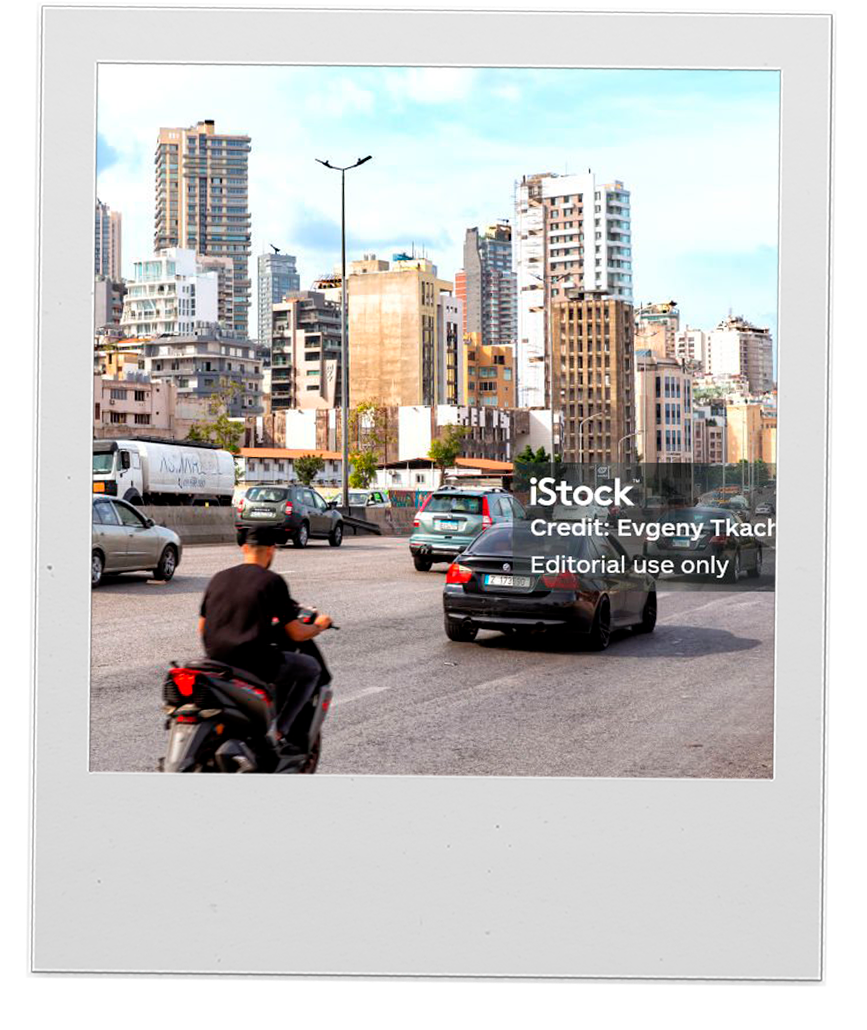
The migrant women we spoke to exhibited high levels of agency in their decision to migrate. Leaving behind unbearable conditions of discriminatory gender norms and/or familial and social gender-based violence, poverty and/or conflict-related hardships, was perceived as emancipatory and empowering. For domestic workers the choice of Lebanon as a destination was, to a great extent, pre-determined by the market of the recruitment agencies under the kafala system. Financial independence and being able to help their families were a source of pride. The five Syrian professional migrants were integrated into Lebanese society, but as second-tier citizens, suffering from structural discrimination. They were also the ones affected the most by the Lebanese triple crisis (economic collapse, COVID-19 and the August 2020 port blast).
The domestic workers perceived their experience in Lebanon as temporary, as is typical of circular migration. They did not seem to be on any pathways to integration in Lebanon. Many declared that they did not go to public spaces, had no social life and attended no social events. They spent their little free time on their phone, watching the television and talking to their family back home. The use of technology was a virtual place of freedom and empowerment.
For the sex workers (which included two refugee transwomen), being able to make, save and send money to their family gave them a sense of empowerment. Hope that they could change their condition coexisted with an attitude of acceptance, resignation and a self-denigratory attitude. These women did not find civil society groups supportive or understanding of their situation.
Challenges
In Lebanon there is a lack of legal and societal preparedness to respect and protect the rights of female migrant workers and refugees and to cater for their needs. Women migrant workers do not enjoy standard labour conditions, and suffer from social and institutional discriminations. National and international tools to protect female migrant workers are still insufficient.
Resources
Gendered Dynamics of International Labour Migration: Beirut, Lebanon
The historical and turbulent migration processes of Lebanon are reflected in a dynamic and composite country demography, including gender and labour features of migration. Currently, the number of migrant workers and refugees are exceptionally high in the country. Most migrants and refugees are women who live and work in unprotected conditions, making them vulnerable to […]
Lebanon Country Briefing
This brief on Lebanon from the Gender, Justice and Security Hub looks at the country context, including issues such as the ongoing unrest caused by the previous civil war as well as conflict in neighbouring countries, challenges with recovery, rebuilding and reform, and ongoing security challenges. Gender issues in Lebanon are complex; while there have […]